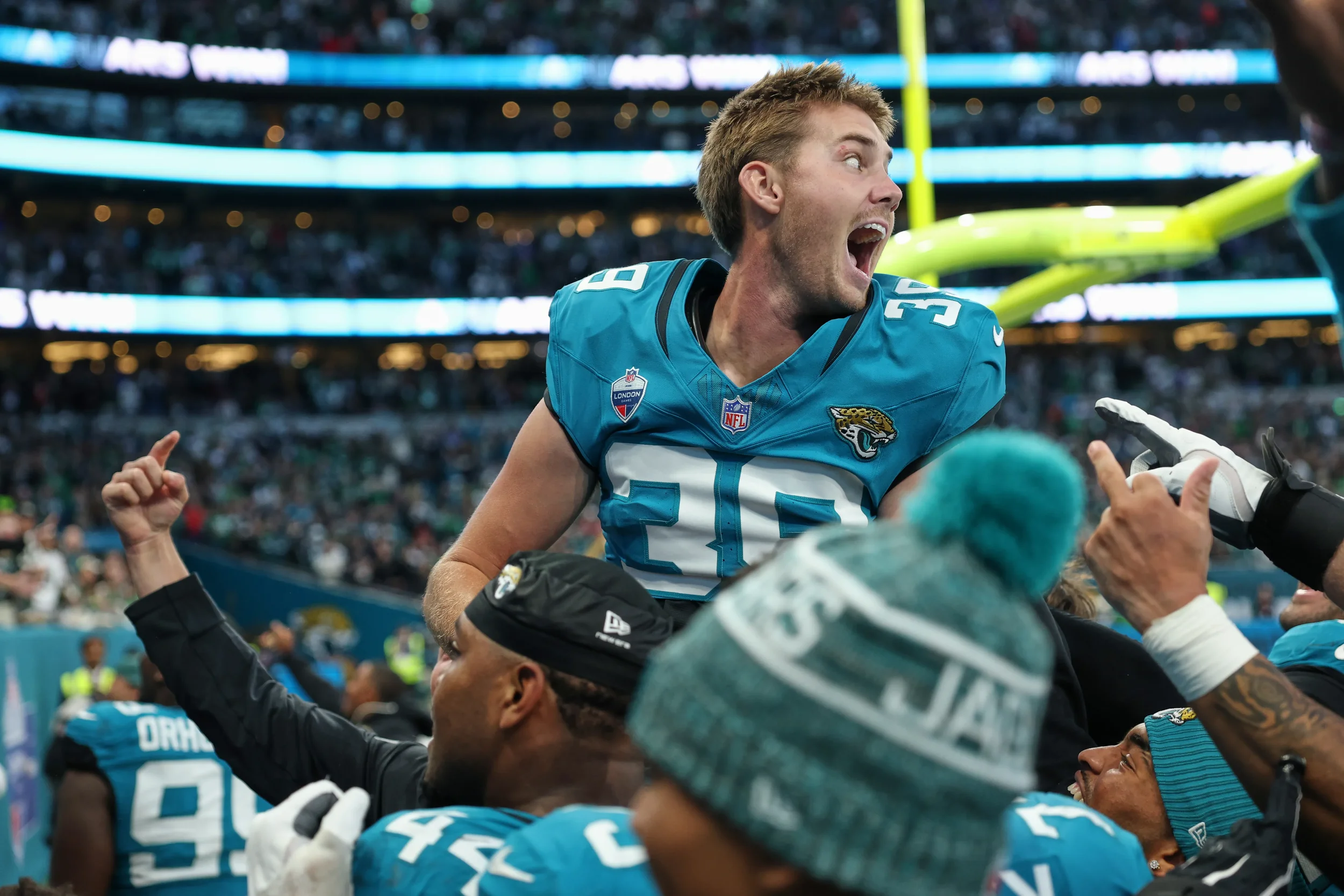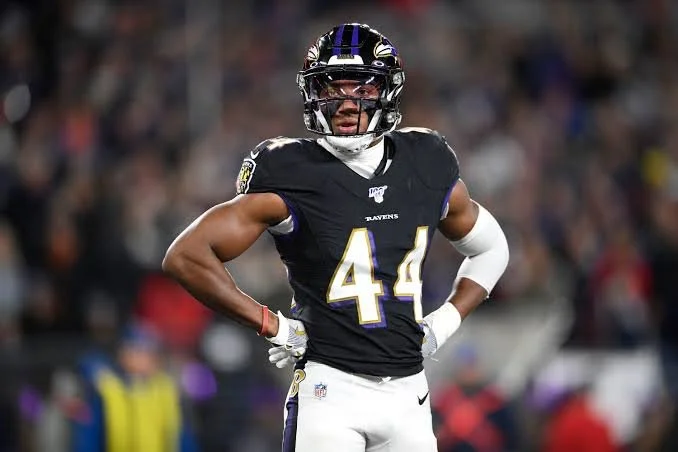
Ravens Deactivate Marlon Humphrey Following Baltimore Comments as Carmelo Anthony Issues Strong Response
OWINGS MILLS, Md. — The Baltimore Ravens have deactivated veteran cornerback Marlon Humphrey for Sunday’s matchup against the Carolina Panthers following controversial comments about the city of Baltimore, prompting widespread criticism and a pointed response from former NBA superstar Carmelo Anthony.
The controversy began after Humphrey suggested Baltimore was best known for producing criminals during an episode of his podcast. His remarks quickly circulated across social media, drawing criticism from residents, local officials and prominent athletes with strong connections to the city.
Ravens head coach Jesse Minter confirmed Thursday that Humphrey would be sent home from the team’s facility and would not participate in practice or Sunday’s game. The organization described the disciplinary action as a one-game deactivation rather than a formal suspension. (NFL)
Humphrey’s Comments Spark Widespread Criticism
The controversy began during an episode of The Marlon Humphrey Show, when the veteran cornerback was asked what Baltimore was best known for producing.
After mentioning “The Star-Spangled Banner” and National Bohemian beer, Humphrey made a remark that immediately generated backlash.
“They’re best at making criminals,” Humphrey said.
Humphrey appeared to recognize the potential controversy immediately, suggesting that the comment would be removed from the episode. However, the remarks remained in the published conversation and quickly circulated online.
The comments were particularly controversial given Humphrey’s longstanding relationship with Baltimore. Selected in the first round of the 2017 NFL Draft, Humphrey has spent his entire professional career with the Ravens and has become one of the franchise’s most recognizable defensive players.
Humphrey addressed the situation Wednesday, apologizing to the city while emphasizing his personal connections to Baltimore, including raising his family and investing in the community. His apology, however, did not prevent the organization from taking disciplinary action. (CBS Baltimore)
Ravens Take Disciplinary Action
Minter announced Thursday that Humphrey would be sent home and deactivated for Baltimore’s upcoming game against Carolina following discussions with the organization’s leadership.
The Ravens coach declined to reveal details of those internal conversations but emphasized that Humphrey’s comments did not reflect the values of the organization.
Minter described Humphrey as remorseful and acknowledged the significance of the comments to Baltimore residents. He also stressed the importance of limiting distractions as the Ravens attempt to recover from their recent struggles.
Defensive coordinator Anthony Weaver also addressed the situation, expressing support for Humphrey as a teammate while disagreeing with his remarks.
Weaver suggested Humphrey may have intended the statement as a joke but acknowledged that the subject was inappropriate.
The decision leaves Baltimore without one of its most experienced defensive backs at a critical point in the season. (Baltimore Ravens)
Carmelo Anthony Delivers Strong Response
Among the most notable responses came from former NBA superstar Carmelo Anthony, who grew up in West Baltimore and has maintained strong ties to the city throughout his basketball career.
Anthony addressed the controversy in a lengthy Instagram statement, explaining that Humphrey’s comments carried a particularly personal significance because of his upbringing and experiences in Baltimore.
“Listen. I’ve been sitting with this one for a couple of days, because Baltimore isn’t a talking point to me. It’s my blood,” Anthony wrote.
Anthony recalled growing up on Myrtle Avenue in West Baltimore, where he witnessed the consequences of violence, poverty and systemic challenges firsthand. He described losing friends to the streets and watching people close to him struggle with circumstances that extended far beyond their individual decisions.
Rather than dismissing Baltimore’s problems, Anthony acknowledged the city’s difficult history while arguing that those struggles should not define its residents.
Anthony specifically criticized Humphrey for making the remarks while representing Baltimore as a professional athlete. He argued that dismissive comments about the city carry consequences for young residents, working families and individuals attempting to rebuild their lives after incarceration.
The former NBA star also addressed Humphrey’s apology, acknowledging the gesture while insisting that meaningful action would be more valuable than words alone.
“Marlon, I see the apology. I’ll take it, man to man,” Anthony wrote.
However, Anthony made clear that accepting an apology did not eliminate the responsibility Humphrey has toward the community.
Anthony emphasized his own commitment to investing time, energy and resources into Baltimore’s youth, arguing that professional athletes have a responsibility to represent the communities associated with their careers both on and off the field.
His criticism centered on the difference between acknowledging Baltimore’s challenges and reducing the city’s identity to negative stereotypes. (Instagram)
Anthony Highlights Baltimore’s Accomplishments
Anthony’s statement extended beyond criticism of Humphrey, offering a broader defense of Baltimore and the people who have contributed to its history.
He highlighted the city’s teachers, coaches, artists, community leaders and formerly incarcerated residents who have worked to create opportunities for themselves and others.
Anthony also referenced Baltimore’s athletic accomplishments, including its production of Olympic athletes, Hall of Famers and boxing stars such as Gervonta “Tank” Davis.
The former NBA scoring champion argued that Baltimore’s identity should be defined by the perseverance and accomplishments of its residents rather than the challenges they have faced.
His message reflected the pride he has consistently expressed toward the city throughout his career, particularly through his community involvement and efforts to support young people.
Anthony concluded his statement by emphasizing that Baltimore should be recognized for those who overcome adversity and those who return to help improve their communities. (Instagram)
Baltimore Mayor Brandon Scott Responds
Baltimore Mayor Brandon Scott was also among the most prominent figures to criticize Humphrey’s remarks, arguing that the comments were especially damaging because of his position as a professional athlete and role model for young residents.
Scott emphasized that many children throughout Baltimore view Ravens players as examples of what they can accomplish, making negative generalizations about the city particularly harmful.
The mayor acknowledged Humphrey’s apology but insisted that words alone were insufficient. He invited the cornerback to meet with residents who have returned to the community after incarceration and are working to prevent others from making similar mistakes.
Scott’s invitation also became an important part of Anthony’s response.
Anthony publicly encouraged Humphrey to accept the mayor’s invitation and offered to participate alongside him in a community discussion with Baltimore’s youth.
Rather than continuing the disagreement through social media, Anthony proposed using the controversy as an opportunity to demonstrate leadership and encourage young residents who may have been discouraged by Humphrey’s comments.
The invitation presented Humphrey with a potential opportunity to rebuild trust through direct involvement with the community. (Instagram)
A Difficult Season Gets More Complicated
The controversy arrives during one of Baltimore’s most disappointing stretches in recent memory.
The Ravens enter Sunday’s matchup with Carolina at 4-6, having lost five consecutive games following a 4-1 start. Injuries at quarterback, defensive inconsistencies and offensive struggles have contributed to the team’s decline.
Humphrey’s individual performance has also drawn scrutiny. Once considered among the NFL’s premier defensive backs, the 30-year-old has struggled in coverage this season while playing in the final year of his current contract.
His absence against Carolina creates another challenge for a Ravens defense attempting to regain its footing.
Beyond the immediate impact on Baltimore’s secondary, the controversy has placed additional attention on Humphrey’s relationship with the city and his future with the organization. (CBS Baltimore)
What Comes Next for Humphrey and the Ravens?
For Humphrey, the immediate consequence is a missed game. The longer-term challenge will be repairing his relationship with the community he has represented for nearly a decade.
The Ravens have indicated that the deactivation is limited to one game, suggesting the organization intends to move forward with Humphrey after the disciplinary action.
However, the responses from Scott and Anthony demonstrate that the controversy extends beyond the team’s internal disciplinary process.
Both figures have encouraged Humphrey to take a more active role in addressing the impact of his comments, offering opportunities for direct engagement with Baltimore residents.
Anthony’s willingness to participate alongside Humphrey provides a potential path toward reconciliation, transforming a public disagreement into an opportunity for community involvement.
For the Ravens, Sunday’s matchup against Carolina offers an opportunity to end their losing streak and begin rebuilding momentum during the second half of the season.
For Humphrey, returning to the field will only be part of the process of moving beyond a controversy that has extended well outside the football stadium.
The situation illustrates the influence professional athletes hold in the communities they represent. While Humphrey’s comments created the controversy, the response from Anthony and Baltimore’s leadership has shifted the conversation toward accountability, civic responsibility and the importance of recognizing a city’s accomplishments alongside its challenges.
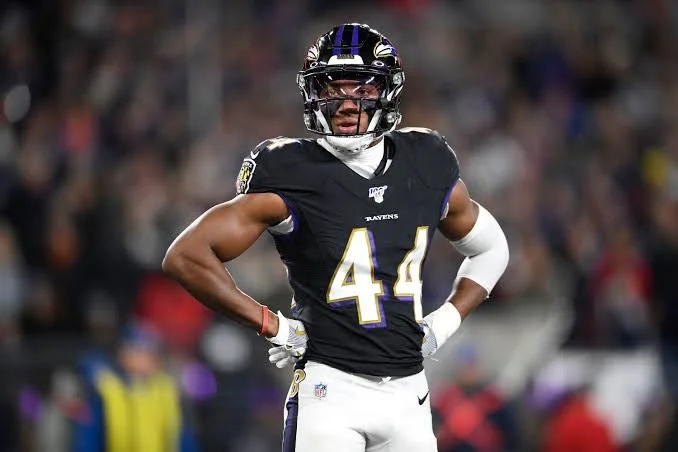
College Football Playoff Expands to 24 Teams, Introduces New Power Four Scheduling Requirements Beginning in 2027
IRVING, Texas — College football is entering another significant period of transformation after the College Football Playoff officially announced Monday that it will expand from 12 to 24 teams beginning with the 2027 season. Alongside the historic expansion, the CFP introduced new scheduling standards that will require Power Four programs to strengthen their regular-season schedules, particularly through nonconference competition.
The decision, unanimously approved by the CFP Management Committee on November 9, represents the second major expansion of college football’s postseason in just four years. The announcement also includes a new media rights agreement with ESPN, which will retain exclusive worldwide broadcasting rights to the expanded playoff through the 2031-32 season. (CFP)
While doubling the playoff field will provide additional opportunities for programs across the country, the accompanying scheduling changes could prove equally significant. Schools in the ACC, Big Ten, Big 12 and SEC will be expected to play at least 10 qualifying regular-season games against Power Four opponents or Notre Dame, creating additional pressure to schedule competitive nonconference matchups.
The combination of a larger postseason and tougher scheduling expectations could fundamentally change how college football programs approach their regular seasons.
How the New 24-Team College Football Playoff Will Work
Under the new format, 24 programs will qualify for the postseason, with five automatic bids and 19 at-large selections determined by the CFP Selection Committee.
The four conference champions from the ACC, Big Ten, Big 12 and SEC will receive automatic berths. The fifth automatic qualification will go to the highest-ranked team from the American, Conference USA, MAC, Mountain West, Pac-12 or Sun Belt.
The remaining 19 positions will be awarded to the highest-ranked eligible teams in the committee’s final rankings, allowing significantly more programs to compete for a national championship regardless of conference affiliation.
The top eight seeds will receive first-round byes and advance directly to the second round, where they will host games on their respective campuses. Seeds nine through 16 will host first-round matchups against seeds 17 through 24.
Perhaps one of the most significant changes involves home-field advantage. The expanded playoff will feature 16 on-campus games, compared with just four under the current 12-team format.
The quarterfinals and semifinals will continue to rotate among the traditional New Year’s Six bowl locations, including the Rose, Sugar, Orange, Cotton, Fiesta and Peach Bowls.
Altogether, the new format will feature 23 postseason games, with the inaugural 24-team national championship scheduled for January 24, 2028, in New Orleans. (CFP)
Power Four Programs Face New Nonconference Scheduling Standards
Beyond postseason expansion, the CFP’s newly announced scheduling requirements could have an immediate impact on programs throughout the Power Four conferences.
Beginning in 2027, each Power Four institution will be expected to play at least 10 qualifying regular-season games. Qualifying opponents include conference opponents, nonconference teams from the ACC, Big Ten, Big 12 and SEC, and independent Notre Dame.
For programs competing in conferences with nine-game league schedules, this means scheduling at least one additional qualifying Power Four or Notre Dame opponent outside conference play.
Schools playing eight conference games would need at least two qualifying nonconference opponents to meet the standard.
These requirements are intended to discourage programs from constructing schedules heavily dependent on weaker opponents while encouraging nationally relevant matchups throughout the regular season.
For example, a Big Ten program such as Ohio State could satisfy the standard by playing nine conference games and one nonconference matchup against an SEC, ACC or Big 12 opponent. A game against Notre Dame would also qualify.
However, matchups against Group of Six or FCS opponents would not count toward the Power Four’s 10-game qualifying threshold.
The CFP also announced that the selection committee will not give additional weight to victories over more than one FCS opponent during a season. Waivers may be granted under extraordinary circumstances.
Importantly, the CFP describes these provisions as scheduling standards that programs are expected to meet. Its announcement does not establish an automatic postseason disqualification penalty for schools that fall short. (CFP)
What the Changes Mean for Ohio State and Other National Contenders
For programs such as Ohio State, Alabama, Georgia, Michigan and Texas, the scheduling changes introduce another layer of strategy into the pursuit of a national championship.
Historically, major programs have often balanced demanding conference schedules with nonconference opponents offering varying levels of competition.
Under the new system, Power Four institutions will have a greater incentive to pursue marquee nonconference games against nationally recognized opponents.
For Ohio State, that could mean additional matchups against traditional national powers such as Alabama, Georgia, Clemson or Notre Dame.
The Buckeyes already compete in one of college football’s most demanding conferences, particularly following the Big Ten’s expansion to include Oregon, Washington, USC and UCLA. The new scheduling standards could further strengthen an already competitive regular-season slate.
However, the expansion also provides programs with more flexibility when pursuing postseason qualification.
Under the current 12-team system, multiple losses can place a team’s playoff hopes in jeopardy, particularly when competing against other highly ranked programs for limited at-large positions.
With 19 at-large selections available under the new format, a program suffering two or even three losses against strong competition could remain firmly in the postseason conversation, depending on its overall résumé and the committee’s evaluations.
That could encourage more aggressive scheduling, with programs potentially viewing competitive losses more favorably than victories against significantly weaker opposition.
The challenge for the CFP Selection Committee will be distinguishing between teams that accumulate victories against manageable schedules and those that face more demanding competition throughout the season.
Group of Six Programs Also Face Scheduling Expectations
The new requirements will not apply exclusively to the Power Four.
Programs competing in the American, Conference USA, MAC, Mountain West, Pac-12 and Sun Belt will also be expected to play at least 10 qualifying regular-season games.
However, their qualifying opponents will include fellow Group of Six programs, Power Four institutions, Notre Dame and other independent FBS programs.
This creates a different standard for schools outside the traditional power conferences while maintaining an expectation of competitive scheduling.
The highest-ranked Group of Six team will receive an automatic playoff berth, providing a guaranteed pathway into the expanded postseason for at least one program outside the Power Four.
Additional Group of Six programs could qualify through the 19 at-large positions, although competing against major-conference teams for those selections could remain difficult.
The expanded field creates more opportunities for programs traditionally excluded from national championship consideration, but it also places greater importance on how the committee evaluates strength of schedule and overall performance. (CFP)
Conference Championship Games Face an Uncertain Future
Another significant consequence of the expanded postseason involves the future of conference championship games.
With the playoff expanding to 24 teams and introducing additional postseason rounds, the traditional conference championship weekend is facing substantial changes.
Reports surrounding the announcement indicate that the Power Four conferences are moving away from their traditional championship games, a development that would eliminate some of college football’s most prominent annual matchups.
The CFP’s official announcement, however, states that decisions regarding the future of conference championship games remain with the individual conferences.
Conference champions will still receive automatic playoff berths, but the method used to determine those champions will be established by each league.
The potential elimination of conference championship games would represent a historic change, particularly for the SEC, which introduced its championship game in 1992.
It would also remove an additional high-stakes contest from the schedules of conference championship contenders, potentially reducing the number of games elite programs must play before entering an already expanded postseason. (AP) (CFP)
A Longer Postseason Brings Additional Changes
Expanding the playoff will also require adjustments to college football’s postseason calendar.
Beginning with the 2027 season, the regular-season schedule will include two open weeks, while the expanded playoff will begin during the first full week of December.
The final regular-season games of the 2027 campaign are scheduled for November 27, giving qualifying programs time to prepare for postseason competition.
The CFP also confirmed that no playoff games will be scheduled in conflict with the traditional Army-Navy rivalry game.
Additionally, the Heisman Trophy ceremony will move one week earlier, with the 2027 Heisman Weekend scheduled for December 3-5.
These adjustments are intended to accommodate the additional playoff games while preserving several longstanding college football traditions.
The expanded format will remain in place through at least the 2031-32 season under the newly announced ESPN agreement. (CFP)
Does Expanding to 24 Teams Strengthen or Weaken the Regular Season?
The decision to double the playoff field creates an important debate surrounding the future of college football.
Supporters of expansion argue that a 24-team postseason provides more meaningful opportunities for programs that previously had little realistic chance of competing for a national championship.
Rather than seeing their seasons effectively end following a second or third loss, programs could remain in contention deep into November.
That could increase the significance of late-season matchups involving teams competing for the final playoff positions.
The new scheduling requirements could also produce more compelling regular-season games, particularly if major programs become increasingly willing to schedule opponents from competing Power Four conferences.
However, critics argue that expanding the field risks diminishing the importance of individual regular-season results.
A program that loses several games could still qualify for the postseason, potentially reducing the consequences of rivalry losses and conference defeats that previously carried enormous national championship implications.
There are also concerns surrounding the physical demands placed on student-athletes.
A team entering the first round and advancing to the national championship would need to win five consecutive postseason games, creating a significantly longer championship journey than existed under previous formats.
The balance between expanding opportunity and preserving the importance of the regular season will ultimately determine how the new system is received.
College Football Enters a New Era
The expansion to 24 teams represents another defining moment in the ongoing evolution of college football.
After operating under a four-team playoff from 2014 through 2023, the sport expanded to 12 teams in 2024. Beginning in 2027, the field will double once again, reflecting the growing financial and competitive influence of the postseason.
For Power Four programs, the changes extend well beyond simply having additional opportunities to qualify.
Athletic departments will need to evaluate future nonconference schedules, consider the implications of stronger opponents and adjust their approach to building postseason résumés.
For fans, the possibility of additional high-profile regular-season matchups and 16 on-campus playoff games could create an entirely different college football experience.
The expanded format promises greater access, more postseason football and additional opportunities for programs across the country.
Whether those benefits outweigh concerns about regular-season significance, competitive balance and an increasingly lengthy postseason remains to be seen.
What is certain is that beginning in 2027, the road to a college football national championship will look dramatically different.
Ohio State Fires Special Teams Coordinator as Ryan Day Faces Growing Pressure to Overhaul Coaching Staff
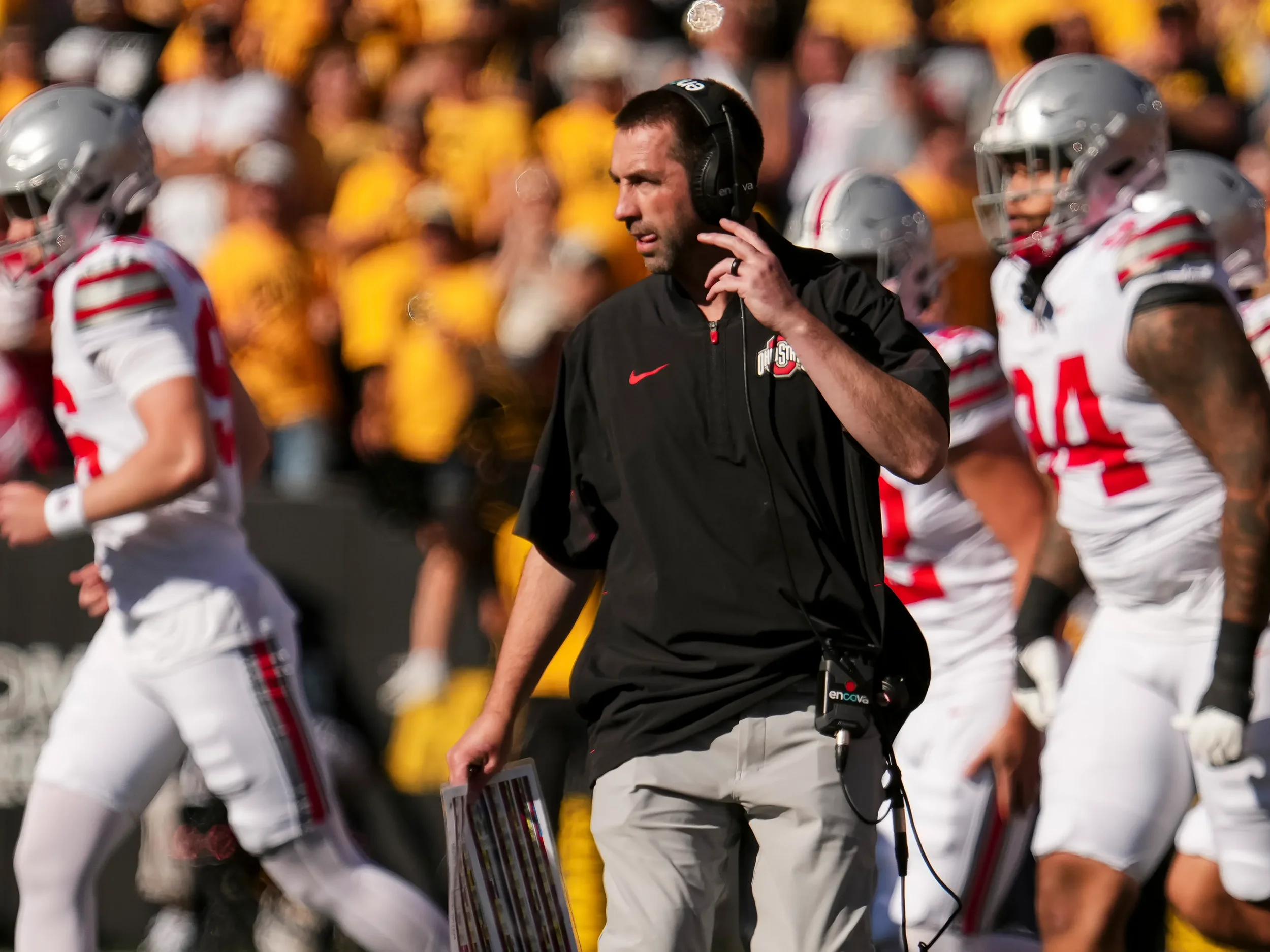
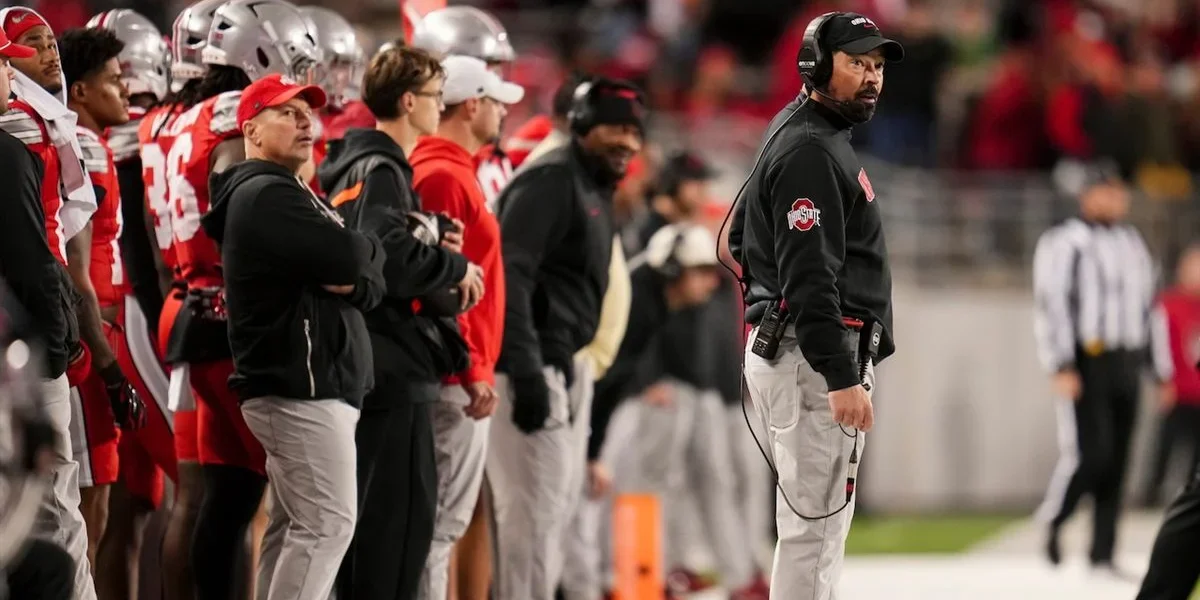
COLUMBUS, Ohio — Ohio State has made its first significant coaching change of a disappointing 2026 season, firing special teams coordinator Robby Discher following consecutive losses to USC and Oregon. However, the decision could represent the beginning of a much larger restructuring within Ryan Day’s coaching staff as the Buckeyes attempt to salvage a season that has fallen well short of expectations.
The Buckeyes entered the season ranked No. 1 nationally with championship aspirations. Nine games later, Ohio State sits at 6-3 overall and 4-2 in Big Ten play, with its College Football Playoff hopes in serious jeopardy. The program’s struggles have intensified scrutiny of Day and his coordinators, particularly offensive coordinator Arthur Smith and defensive coordinator Matt Patricia.
While Day’s substantial contract makes a head coaching change financially complicated, the same level of security does not necessarily extend to his assistants. With Discher already dismissed and reports suggesting additional changes could follow, Ohio State may be approaching one of its most significant coaching staff overhauls in recent memory. (Reuters, Heavy)
Special Teams Struggles Lead to Discher’s Dismissal
Discher’s departure comes less than a full season after he was hired from Illinois in February to address Ohio State’s longstanding special teams inconsistencies.
The final breaking point came during Saturday’s 41-28 loss to Oregon at Ohio Stadium. With Ohio State leading 14-3 in the second quarter, the Ducks successfully executed a fake punt on fourth-and-9 from their own 31-yard line, gaining 30 yards and extending a possession that ultimately helped reverse the game’s momentum.
Oregon went on to score 38 unanswered points, turning what initially appeared to be a promising afternoon for the Buckeyes into another damaging defeat.
The problems extended beyond the Oregon game. Against USC on October 31, Ohio State surrendered a 44-yard punt return and committed three special teams penalties in a 30-18 loss. Earlier in the season, a missed 45-yard field goal against Texas contributed to a narrow 24-23 defeat.
Ohio State ranks 102nd nationally in special teams efficiency, a particularly concerning statistic for a program with the resources and talent available in Columbus.
Discher’s firing also represents a notable departure from Day’s previous approach to personnel decisions. It marks the first time during his eight-year tenure as head coach that he has dismissed an assistant during the regular season. (Associated Press, FootballScoop)
Arthur Smith Faces Questions About Ohio State’s Offensive Identity
Although special teams produced some of Ohio State’s most visible mistakes, the offense has arguably generated the most frustration throughout the Buckeyes’ recent struggles.
Arthur Smith arrived in Columbus with an extensive NFL résumé, having served as head coach of the Atlanta Falcons and offensive coordinator for the Tennessee Titans and Pittsburgh Steelers. His hiring was intended to provide Ohio State with an experienced offensive strategist capable of maximizing its talented personnel.
Instead, the Buckeyes have struggled to establish a consistent offensive identity against stronger competition.
The absence of starting quarterback Julian Sayin has undoubtedly complicated matters, forcing backup Luke Fahey into a difficult position. However, injuries alone cannot explain every shortcoming, particularly the questionable play-calling, inconsistent rushing attack and inability to consistently involve star wide receiver Jeremiah Smith.
During the Oregon loss, Ohio State went nearly 33 minutes of game time without targeting Jeremiah Smith, an especially troubling development considering his importance to the offense.
For a program accustomed to explosive passing attacks and dynamic offensive production, the current approach has appeared increasingly conservative. Too often, Ohio State has seemingly prioritized avoiding mistakes rather than aggressively exploiting opposing defenses.
Smith’s NFL experience was supposed to provide stability, but his first season has raised questions about whether his offensive philosophy is the right fit for Ohio State’s personnel and expectations.
With the Buckeyes struggling to generate consistent production against ranked opponents, Smith could become one of the most closely evaluated members of Day’s staff when the season concludes. (Ohio State Athletics, Land-Grant Holy Land)
Matt Patricia’s Defense Has Become Another Growing Concern
Defensive coordinator Matt Patricia is facing similar scrutiny as Ohio State’s defense has struggled to maintain its early-season performance.
Patricia, another former NFL head coach, was retained after helping oversee a successful defensive unit in 2025. However, the departures of several important defensive contributors have exposed weaknesses that opposing offenses have increasingly exploited.
The most concerning development has been the defense’s performance over the past two games.
Against USC and Oregon, Ohio State struggled to consistently pressure opposing quarterbacks, prevent explosive plays and make critical stops when momentum began shifting.
The Oregon defeat was particularly damaging. After the Buckeyes established a 14-0 lead, the defense was unable to contain the Ducks’ offense as Oregon took control of the game.
Patricia’s defensive approach has also drawn criticism for its conservative tendencies, including three-man pass rushes that have occasionally provided opposing quarterbacks with additional time to attack the secondary.
The defensive coordinator is reportedly earning $3.75 million this season, making him the highest-paid assistant coach in college football. At that level of compensation, expectations extend beyond producing a respectable defense against lesser opponents. Ohio State expects its defense to perform at a championship level against elite competition.
Patricia’s future remains uncertain, and no dismissal has been announced. Nevertheless, his unit’s recent regression makes him another potential candidate for evaluation if Ohio State decides a broader coaching overhaul is necessary. (Heavy, Land-Grant Holy Land)
Ryan Day’s Massive Contract Complicates Any Potential Head Coaching Change
Despite growing frustration surrounding Ohio State’s performance, removing Ryan Day would present the university with a significantly greater financial challenge than replacing his coordinators.
Day agreed to a contract extension in February 2025 that reportedly pays him approximately $12.5 million annually through 2031, placing him among the highest-paid coaches in college football.
Although his annual compensation is frequently discussed in the $13 million range, the more important consideration is the substantial financial obligation Ohio State could face if it terminated his contract without cause.
His buyout would depend on the specific contractual terms and any applicable offsets, but the remaining guaranteed compensation could create a financial commitment worth tens of millions of dollars.
That reality makes retaining Day while restructuring the coaching staff a more practical option than immediately pursuing a complete change in leadership.
However, Day’s contract should not be confused with unconditional job security. Ohio State remains one of college football’s most demanding programs, and financial considerations do not eliminate the pressure created by disappointing results.
If the Buckeyes continue struggling, questions surrounding Day’s leadership will only intensify. For now, replacing assistants could provide the university with an opportunity to pursue meaningful changes without absorbing the potentially enormous expense of dismissing its head coach. (Heavy)
Could Ohio State Be Preparing to Clean House?
Discher’s dismissal has raised an important question: Is Ohio State making an isolated coaching change, or is the university preparing for a much larger restructuring?
According to reporting attributed to The Athletic, multiple sources around the program believe Discher’s departure could be the first of several changes to Day’s staff. Additional decisions, however, may not arrive until after the regular season.
That distinction is important. Ohio State has not announced plans to dismiss Smith or Patricia, and neither coordinator’s departure should be treated as inevitable.
Still, the possibility of substantial turnover reflects the seriousness of the Buckeyes’ current situation.
Day assembled a staff featuring experienced former NFL head coaches with the expectation that their knowledge would translate into consistent, championship-caliber performances. Instead, Ohio State has struggled across all three phases of the game.
A comprehensive coaching overhaul could allow Day to reevaluate the program’s offensive philosophy, defensive structure and overall player development.
It could also represent an acknowledgment that the current coaching arrangement has failed to meet expectations.
For Ohio State, the decision is about more than simply replacing underperforming assistants. The university must determine whether its current coaching philosophy remains capable of competing with the nation’s best programs. (Heavy)
Final Stretch Could Determine the Future of Ohio State’s Coaching Staff
Ohio State’s remaining schedule provides little opportunity for the Buckeyes to escape scrutiny.
The Buckeyes host Northwestern on November 14 before traveling to Nebraska and eventually closing the regular season against Michigan.
Each matchup carries significant implications for the program’s postseason aspirations and the future of its coaching staff.
Another disappointing performance could strengthen the argument for additional personnel changes, while a strong finish might provide Day with evidence that the program can recover without a complete restructuring.
The upcoming Michigan game will carry particular importance. Rivalry results have historically played an enormous role in evaluating Ohio State head coaches, and another defeat would only increase the pressure surrounding Day’s leadership.
A Defining Moment for Ryan Day and Ohio State
Ohio State’s decision to fire Robby Discher sends a clear message that disappointing results will carry consequences.
However, special teams represent only one component of a program that has struggled to meet expectations throughout the 2026 season.
Arthur Smith’s offensive inconsistencies and Matt Patricia’s defensive regression have created legitimate questions about whether the Buckeyes possess the coaching structure necessary to return to championship contention.
Ryan Day remains the central figure in that discussion. His substantial contract makes a head coaching change financially difficult, but it also places greater responsibility on him to identify problems and implement solutions.
If Ohio State ultimately decides to retain Day while replacing multiple coordinators, the university would effectively be giving its head coach another opportunity to rebuild the program around a new staff.
That approach may be the most financially realistic option, but it would also increase expectations for immediate improvement.
Discher’s firing could prove to be a relatively minor adjustment in an otherwise disappointing season. It could also become the first step toward a sweeping transformation of Ohio State football.
Either way, the Buckeyes have reached a point where maintaining the status quo is becoming increasingly difficult to justify.
Joe Burrow Makes NFL History With Five Touchdown Passes as Bengals Complete Dramatic Overtime Comeback Against Titans
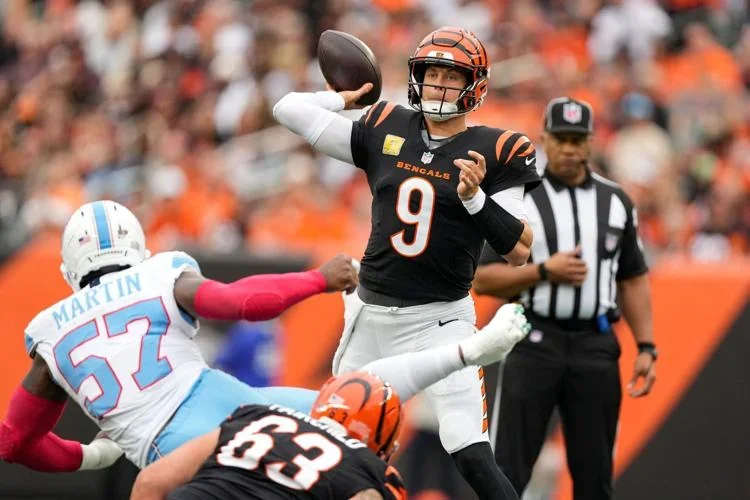
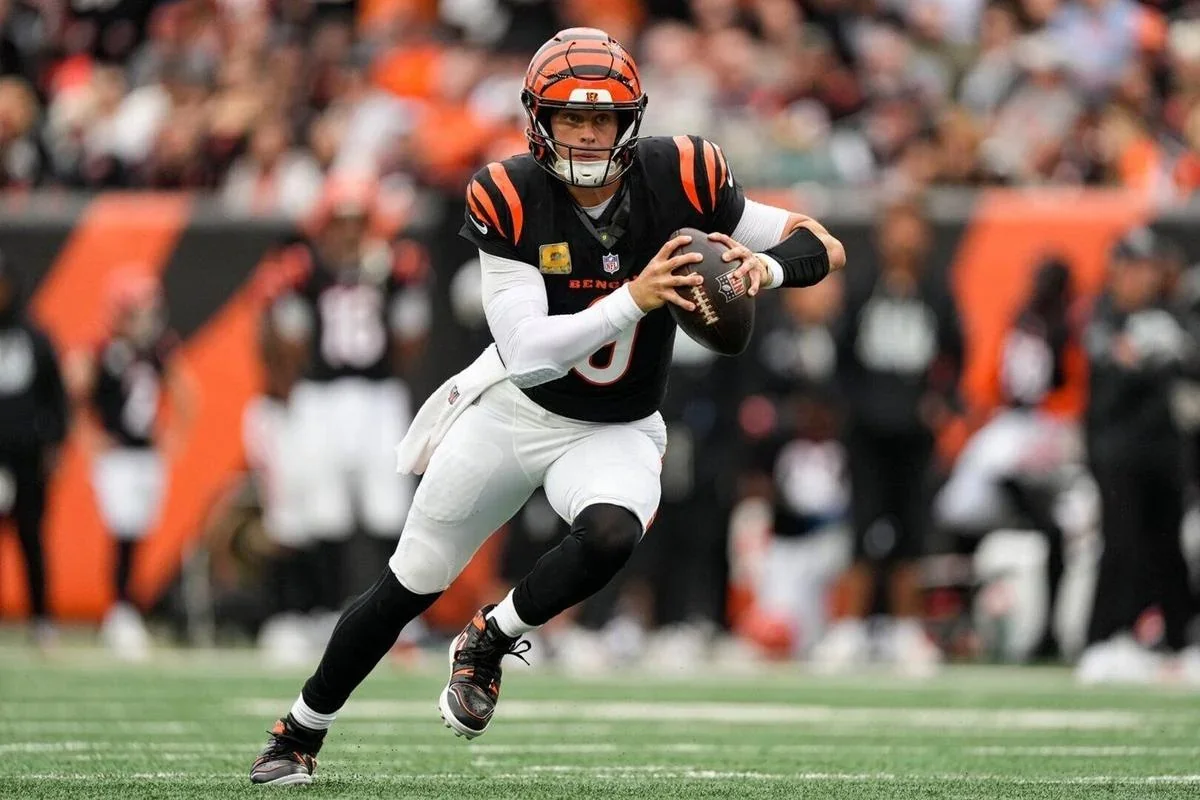
CINCINNATI, Ohio — Joe Burrow delivered another historic performance Sunday afternoon, throwing five touchdown passes, surpassing 175 career passing touchdowns and leading the Cincinnati Bengals to a dramatic 43-36 overtime victory over the Tennessee Titans at Paycor Stadium.
Burrow completed 33 of 48 passes for 462 yards and five touchdowns before adding a nine-yard rushing touchdown in overtime to secure Cincinnati’s third consecutive victory. The Bengals improved to 5-2, continuing their resurgence in the AFC playoff race despite a game filled with turnovers, defensive struggles and multiple fourth-quarter lead changes.
The performance also placed Burrow among some of the greatest quarterbacks in NFL history. With his third touchdown pass of the afternoon, the 29-year-old became the third-fastest quarterback in league history to reach 175 career passing touchdowns, accomplishing the milestone in just his 84th regular-season game.
Although Burrow threw three interceptions, he repeatedly responded with critical touchdown drives, including a game-tying connection with Tee Higgins in the final two minutes of regulation.
The victory provided another example of Burrow’s ability to produce under pressure, reinforcing his position among the NFL’s premier quarterbacks. (AP)
Burrow Becomes Third-Fastest Quarterback to Reach 175 Passing Touchdowns
Burrow entered Sunday’s matchup with 172 career touchdown passes, needing just three to reach another significant milestone.
After Cincinnati fell behind 13-0 in the opening quarter, Burrow began leading the Bengals back into contention.
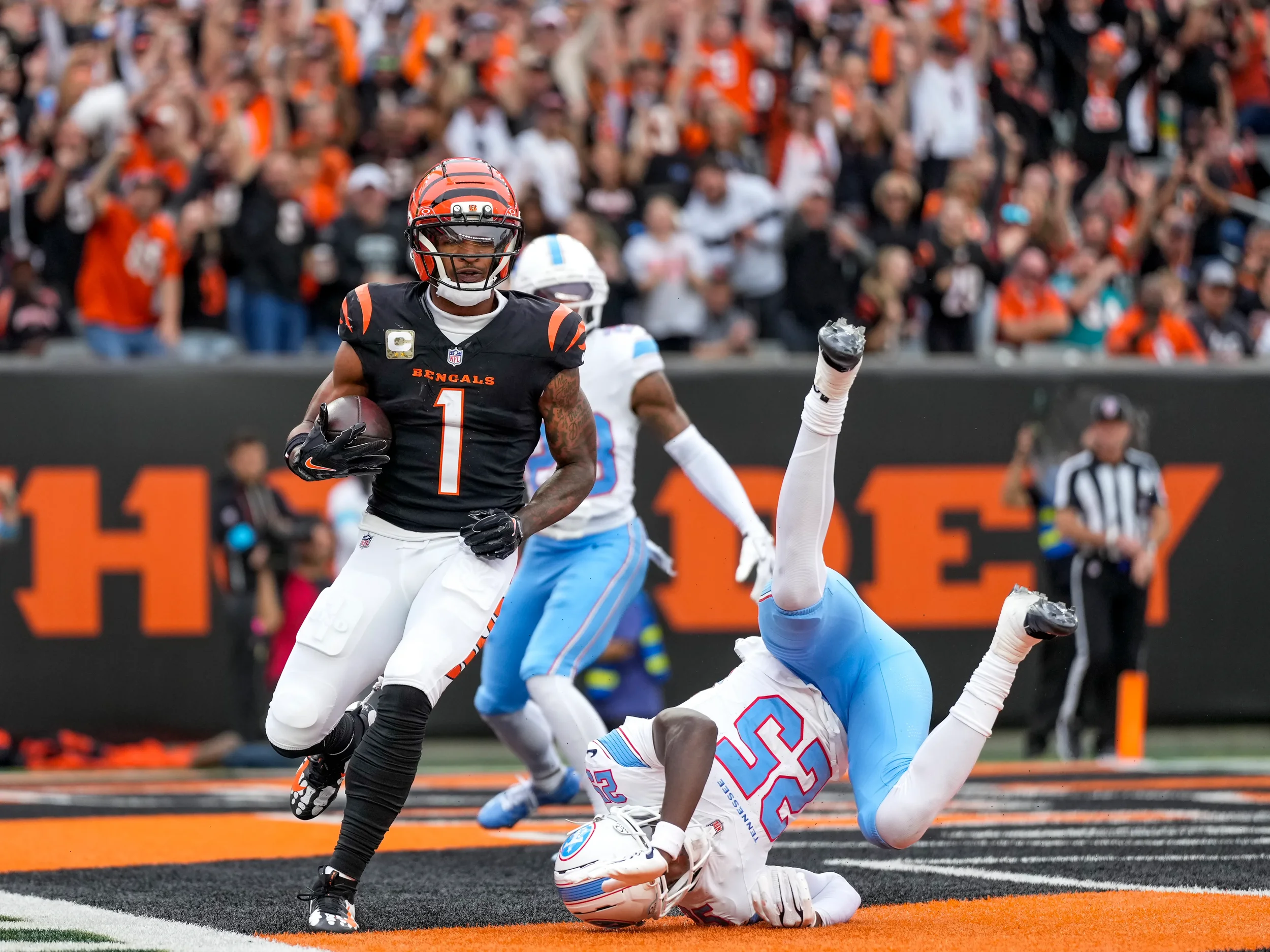
His first touchdown came early in the second quarter on a 30-yard completion to Ja’Marr Chase, cutting Tennessee’s lead to 13-7.
Later in the quarter, Burrow connected with rookie tight end Jack Endries for a one-yard touchdown with just 20 seconds remaining before halftime, giving Cincinnati a 14-13 advantage.
The historic moment arrived early in the third quarter.
Burrow found Higgins for a 17-yard touchdown pass, extending Cincinnati’s lead to 21-13 and officially recording the 175th touchdown pass of his NFL career.
Reaching the milestone in just 84 games made Burrow the third-fastest quarterback in league history to accomplish the feat.
The achievement was particularly impressive considering the significant injuries that have interrupted his career, including a torn ACL during his rookie season and a wrist injury that ended his 2023 campaign prematurely.
Despite those setbacks, Burrow has consistently ranked among the league’s most productive passers when healthy.
He previously became the third-fastest quarterback to reach 150 career touchdown passes during the 2025 season, further demonstrating his remarkable scoring efficiency.
Sunday’s performance brought his career total to 177 touchdown passes, adding another accomplishment to a résumé that already includes a Super Bowl appearance, multiple Pro Bowl selections and an NFL Comeback Player of the Year award. (Ohio Sports Hub)
Five Touchdown Passes Highlight Another Remarkable Performance
Burrow’s milestone was only part of an extraordinary afternoon.
The Bengals quarterback finished with 462 passing yards and five touchdowns, distributing the football among several different receivers while repeatedly attacking Tennessee’s secondary.
Higgins emerged as Burrow’s most productive target, recording 10 receptions for 155 yards and two touchdowns.
Chase also delivered a strong performance, catching 11 passes for 141 yards and a touchdown.
Together, Cincinnati’s star receiving duo surpassed 100 receiving yards in the same game for the fourth time since 2021.
Burrow’s five touchdown passes were distributed among four different receivers, with Higgins catching two and Chase, Endries and Mike Gesicki each recording one.
Gesicki’s 25-yard touchdown reception in the fourth quarter extended his streak to five consecutive games with a touchdown catch.
However, the performance was far from flawless.
Burrow threw three interceptions, all of which were recorded by Tennessee safety Amani Hooker, who became the first NFL player to intercept three passes in a single game since Jordan Whitehead accomplished the feat in September 2023.
The turnovers repeatedly gave Tennessee opportunities to regain control of the contest.
Nevertheless, Burrow’s ability to overcome those mistakes proved decisive.
Rather than allowing the interceptions to disrupt Cincinnati’s offense, he continued attacking downfield and generating scoring opportunities.
His five touchdown passes matched the highest single-game total of his NFL career, further emphasizing his ability to produce explosive offensive performances. (AP)
Bengals Overcome Early 13-0 Deficit
Sunday’s game began with Tennessee appearing poised to deliver one of the biggest upsets of the NFL weekend.
The Titans entered the matchup with just one victory and were significant underdogs against a Cincinnati team riding a two-game winning streak.
However, Tennessee immediately established control.
A 46-yard field goal from Joey Slye opened the scoring before running back Tony Pollard broke free for a 40-yard touchdown run, extending the Titans’ lead to 10-0.
Slye added another field goal later in the quarter, giving Tennessee a surprising 13-0 advantage after the opening 15 minutes.
Cincinnati responded in the second quarter behind Burrow’s passing attack.
His touchdown passes to Chase and Endries erased the early deficit and allowed the Bengals to enter halftime with a narrow 14-13 lead.
The momentum continued into the third quarter when Burrow connected with Higgins for his historic 175th career touchdown pass.
However, Tennessee refused to disappear.
Pollard scored his second rushing touchdown of the afternoon, and quarterback Cam Ward converted the ensuing two-point attempt to tie the game at 21.
Cincinnati briefly regained the advantage when defenders Demetrius Knight Jr. and Dexter Lawrence tackled Pollard in the end zone for a safety, giving the Bengals a 23-21 lead late in the third quarter.
The play marked Cincinnati’s first safety since 2024.
What followed was a fourth quarter featuring multiple lead changes and increasingly dramatic offensive possessions. (Ohio Sports Hub)
Fourth-Quarter Drama Forces Overtime
Tennessee regained the lead early in the fourth quarter when Ward connected with Chimere Dike for an 11-yard touchdown, putting the Titans ahead 28-23.
Burrow responded with a 25-yard touchdown pass to Gesicki, restoring Cincinnati’s advantage at 29-28 after an unsuccessful two-point conversion.
However, the Titans once again answered.
Ward found Wan’Dale Robinson for a 15-yard touchdown with less than four minutes remaining, and Tennessee successfully converted another two-point attempt to extend its lead to 36-29.
The Bengals suddenly faced a seven-point deficit with their third consecutive victory hanging in the balance.
Burrow responded by orchestrating another critical scoring drive.
With 1:17 remaining in regulation, he connected with Higgins for an 18-yard touchdown, completing his fifth touchdown pass of the afternoon.
Evan McPherson converted the extra point, tying the game at 36.
Tennessee received one final opportunity to win in regulation, but Cincinnati’s defense prevented the Titans from reaching scoring position.
The Bengals entered overtime having overcome multiple deficits, setting the stage for Burrow to deliver one final decisive play. (Reuters)
Burrow’s Overtime Touchdown Completes Cincinnati’s Comeback
Cincinnati received the opening possession of overtime and wasted little time taking advantage.
Burrow directed a five-play, 70-yard touchdown drive, moving the Bengals downfield against a Tennessee defense that had already surrendered more than 400 passing yards.
The decisive moment came when Burrow scrambled nine yards into the end zone for his sixth total touchdown of the afternoon.
The rushing score gave Cincinnati a 43-36 lead and placed Tennessee in a position where it needed a touchdown to extend the game.
The Titans were unable to respond.
Ward’s fourth-down pass intended for Elic Ayomanor fell incomplete, ending Tennessee’s final possession and securing the Bengals’ victory.
The dramatic finish capped one of the most productive individual performances of the NFL season.
Burrow accounted for six touchdowns, five through the air and one on the ground, while helping Cincinnati overcome a 13-point first-quarter deficit.
The victory also demonstrated the Bengals’ ability to remain competitive despite committing four turnovers and allowing Tennessee to accumulate substantial offensive yardage.
While the defensive performance raised legitimate concerns, Burrow’s ability to consistently generate scoring drives ultimately proved to be the difference. (AP)
Bengals Improve to 5-2 as AFC Playoff Race Intensifies
With Sunday’s victory, Cincinnati improved to 5-2 for the first time since 2021, the same season the franchise advanced to Super Bowl LVI.
The Bengals have now won three consecutive games, providing important momentum as they approach the middle portion of the regular season.
Burrow’s performance reinforced the importance of having an elite quarterback capable of overcoming mistakes and delivering in critical situations.
However, Cincinnati’s defensive struggles remain an area of concern.
The Bengals surrendered 36 points and allowed Tennessee to repeatedly regain the lead despite entering the matchup as substantial favorites.
Ward delivered one of the strongest performances of his young career, throwing for more than 300 yards and two touchdowns, while Pollard added 117 rushing yards and two scores.
Against stronger opponents, Cincinnati may not be able to rely on Burrow producing five passing touchdowns to overcome defensive shortcomings.
Nevertheless, the Bengals’ offensive potential remains among the most dangerous in the AFC.
With Chase and Higgins providing two elite receiving options, Gesicki emerging as a reliable red-zone target and Burrow continuing to produce at a historic pace, Cincinnati possesses the personnel necessary to compete with the conference’s top teams.
The Bengals will look to extend their winning streak next Sunday when they face the Atlanta Falcons in Madrid, Spain, as part of the NFL’s international series.
Burrow Continues Building His Legacy Among the NFL’s Elite
At just 29 years old, Burrow has already established himself as one of the most accomplished quarterbacks in Cincinnati franchise history.
Since being selected first overall in the 2020 NFL Draft, he has transformed the Bengals from a rebuilding organization into a team capable of competing for championships.
His leadership during Cincinnati’s 2021 postseason run helped the franchise reach its first Super Bowl since the 1988 season, ending decades of playoff frustration.
Burrow followed that achievement with another AFC Championship Game appearance the following season, further establishing himself as one of the league’s premier postseason quarterbacks.
His ability to deliver accurate throws under pressure, extend plays and maintain composure during difficult situations has become central to Cincinnati’s offensive identity.
Sunday’s performance against Tennessee provided another example.
Despite three interceptions and several momentum swings, Burrow continued producing when his team needed him most.
The historical significance of reaching 175 touchdown passes in just 84 games further strengthens his standing among the most productive quarterbacks of his generation.
While career milestones do not guarantee championship success, Burrow’s statistical pace places him in distinguished company and suggests that he could continue climbing the NFL’s all-time passing records if he remains healthy.
For Cincinnati, the priority remains translating that individual excellence into sustained postseason success.
The Bengals have already demonstrated that they possess a quarterback capable of leading them to the Super Bowl. Their challenge now is building a complete roster that can consistently complement his production.
Sunday’s 43-36 victory was far from perfect, but it illustrated why Cincinnati remains dangerous regardless of the circumstances.
Joe Burrow threw five touchdown passes, reached another historic milestone and delivered the game-winning score in overtime. For a Bengals team with championship aspirations, it was another reminder that as long as Burrow is under center, Cincinnati is rarely out of a game.
Russell Westbrook’s No. 0 Headed to the Rafters as Thunder Honor One of the NBA’s Most Accomplished Players
OKLAHOMA CITY, Okla. — One of the most electrifying players in NBA history is receiving the ultimate recognition from the franchise he helped build into a perennial championship contender.
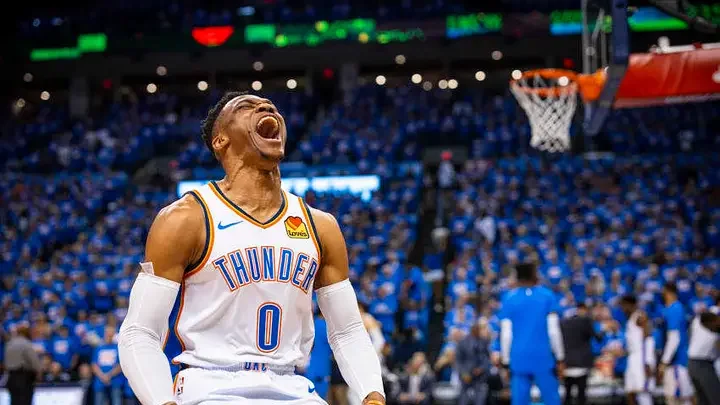
The Oklahoma City Thunder announced Monday that they will officially retire Russell Westbrook’s iconic No. 0 jersey on February 7, 2027, during a home game against the New York Knicks at Paycom Center. The ceremony will celebrate a player whose remarkable 18-year NBA career included a Most Valuable Player award, nine All-Star selections, four seasons averaging a triple-double and an NBA record 209 career triple-doubles. (theScore)
For Westbrook, who announced his retirement in August at age 37, the honor represents much more than a recognition of his statistical accomplishments. It marks the permanent celebration of a player who became the face of Oklahoma City basketball during the franchise’s formative years and remained loyal to the organization during one of its most uncertain periods.
Across 11 seasons with the Thunder, Westbrook developed from an explosive young point guard into one of the most dominant and recognizable players of his generation. His relentless approach, extraordinary athleticism and historic production transformed him into a franchise icon whose influence extended far beyond the basketball court.
Now, the number that accompanied so many of those memorable moments will hang permanently above the floor where much of his legacy was established.
From Fourth Overall Pick to the Face of a Franchise
Westbrook’s journey to NBA superstardom began in 2008, when the Seattle SuperSonics selected the UCLA guard with the fourth overall pick in the NBA Draft, shortly before the franchise relocated to Oklahoma City.
At the time, Westbrook was considered an exceptional athlete with considerable upside, although questions remained about his development as a traditional point guard. Those concerns quickly disappeared as his explosiveness, competitive mentality and ability to impact nearly every aspect of the game became apparent.
During his rookie season in 2008-09, Westbrook averaged 15.3 points, 5.3 assists and 4.9 rebounds, earning NBA All-Rookie First Team honors and establishing himself as a foundational piece of the Thunder’s future.
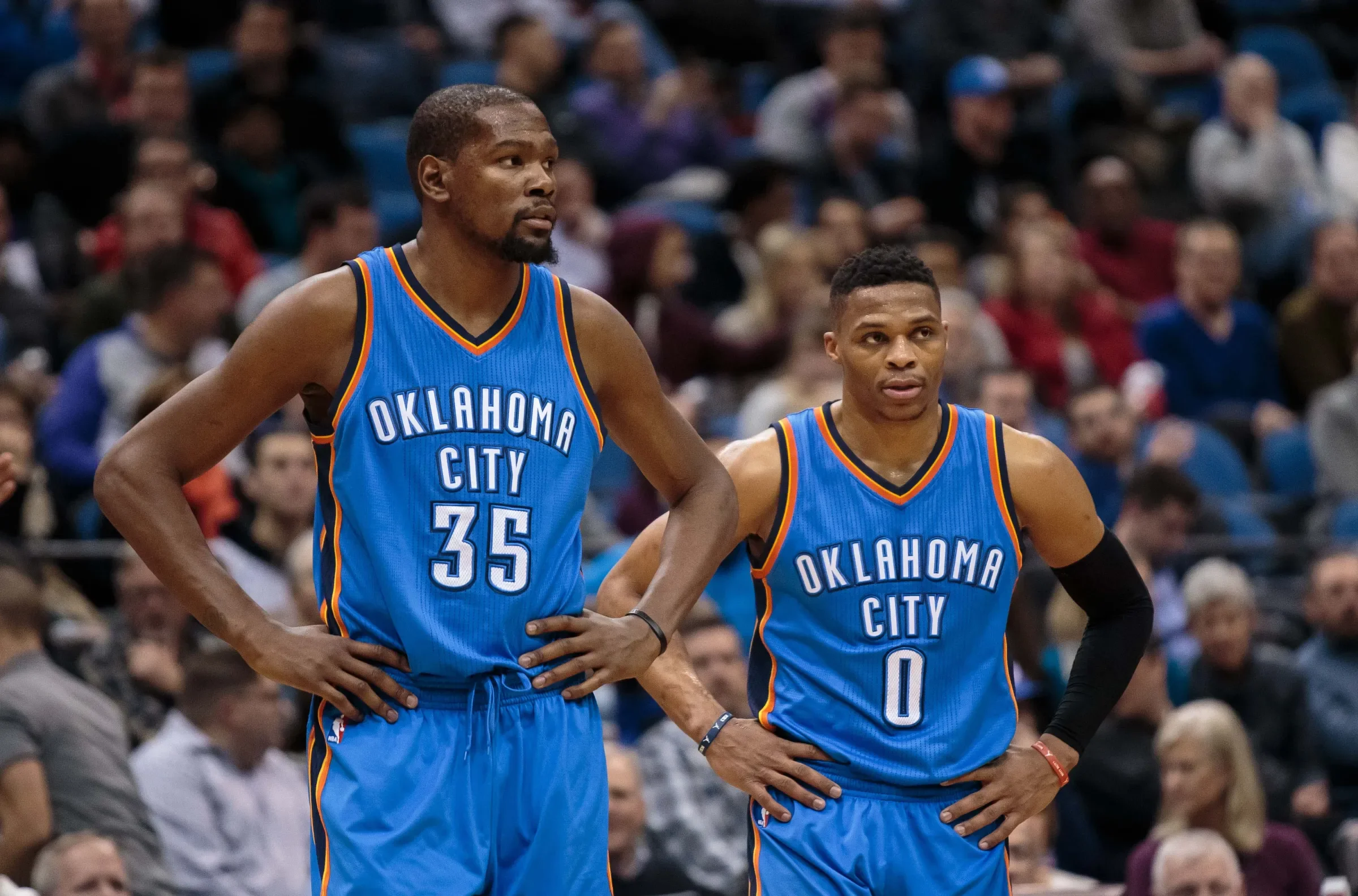
Alongside Kevin Durant, who had been drafted the previous year, and James Harden, who arrived in 2009, Westbrook helped form one of the most promising young cores in NBA history.
The Thunder reached the playoffs in 2010, advanced to the Western Conference Finals in 2011 and made their first NBA Finals appearance in 2012.
Although Oklahoma City ultimately lost the 2012 championship series to LeBron James, Dwyane Wade and the Miami Heat, the appearance demonstrated how quickly the franchise had developed into a legitimate contender.
Westbrook’s combination of explosive drives, aggressive defense, transition scoring and relentless energy made him an essential component of that success. He was no longer simply an athletic young guard with potential. He had become one of the league’s premier players. (NBA)
The Departure of Kevin Durant and Westbrook’s Defining Moment
Perhaps no period better defined Westbrook’s relationship with Oklahoma City than the summer of 2016.
After years of competing alongside Durant, Westbrook watched his longtime teammate leave the Thunder to join the Golden State Warriors, a team that had just eliminated Oklahoma City in the Western Conference Finals.
Durant’s departure fundamentally altered the franchise’s championship aspirations and raised immediate questions about its future.
Westbrook, however, chose a different path.
Rather than pursuing an opportunity elsewhere, he committed himself to Oklahoma City and embraced the responsibility of becoming the unquestioned leader of the organization.
What followed was one of the most remarkable individual seasons in NBA history.
During the 2016-17 campaign, Westbrook averaged 31.6 points, 10.7 rebounds and 10.4 assists per game, becoming the first player since Oscar Robertson in 1961-62 to average a triple-double across an entire season.
Westbrook also recorded 42 triple-doubles, breaking Robertson’s single-season record of 41, which had stood for more than five decades.
His performances were frequently extraordinary, highlighted by dramatic fourth-quarter comebacks, game-winning shots and scoring outbursts that demonstrated his ability to carry an offense almost single-handedly.
One of the defining moments came on April 9, 2017, against the Denver Nuggets.
Westbrook delivered 50 points, 16 rebounds and 10 assists, securing his record-breaking 42nd triple-double of the season while hitting a dramatic game-winning three-pointer at the buzzer.
It was a performance that captured everything that made Westbrook such a remarkable player: the ability to dominate statistically while delivering in the most important moments.
He finished the season by winning the 2016-17 NBA Most Valuable Player award, becoming the first player to capture the honor while averaging a triple-double since Robertson.
Although Oklahoma City was eliminated in the first round of the playoffs, Westbrook’s individual season remains one of the most statistically impressive campaigns the league has ever witnessed. (NBA)
Redefining the Triple-Double and Making NBA History
Before Westbrook entered his prime, averaging a triple-double across an entire NBA season was widely regarded as one of basketball’s most difficult accomplishments.
Robertson had achieved the feat in 1961-62, but more than half a century passed without another player matching it.
Westbrook did not simply repeat the accomplishment. He made it a regular occurrence.
Following his historic MVP campaign, Westbrook averaged a triple-double in each of the next two seasons with Oklahoma City, becoming the first player in league history to accomplish the feat in three consecutive years.
He would eventually achieve the milestone for a fourth time during the 2020-21 season with the Washington Wizards.
His ability to combine elite scoring, rebounding and playmaking fundamentally challenged traditional expectations for point guards.
Westbrook routinely collected rebounds against much taller opponents, initiated fast breaks immediately after securing possession and created scoring opportunities through his ability to attack the basket.
On May 10, 2021, while playing for Washington, Westbrook recorded his 182nd career triple-double, surpassing Robertson’s longstanding NBA record.
By the time he retired in August 2026, Westbrook had accumulated 209 regular-season triple-doubles, the most in NBA history.
He also finished with 221 combined regular-season and postseason triple-doubles, tying Nikola Jokić for the most in league history at the time of his retirement.
Perhaps most impressively, Westbrook’s teams won 153 of the 209 regular-season games in which he recorded a triple-double, a winning percentage of approximately 73.2%.
The numbers illustrate that his historic production was frequently accompanied by team success, despite years of criticism concerning his statistical approach and decision-making. (NBA)
A Career Filled With Historic Accomplishments and Accolades
Westbrook’s legacy extends well beyond his triple-double records.
Throughout his 18 NBA seasons, he accumulated an extraordinary collection of individual honors and established himself among the most productive guards in league history.
His career accomplishments include:
2016-17 NBA Most Valuable Player
Nine-time NBA All-Star
Nine-time All-NBA selection
Two-time NBA scoring champion
Three-time NBA assists leader
Two-time NBA All-Star Game MVP
Four seasons averaging a triple-double
NBA record 209 career regular-season triple-doubles
NBA record 42 triple-doubles in a single season
2012 Olympic gold medalist with Team USA
Member of the NBA’s 75th Anniversary Team
2012 NBA Finals appearance with Oklahoma City
Westbrook finished his career averaging 20.9 points, 8.0 assists, 6.9 rebounds and 1.6 steals across 1,301 regular-season games.
He also retired as one of only two players, alongside LeBron James, to rank among the NBA’s top 15 all-time leaders in points, assists and steals.
His 9,025 career rebounds represented the most ever recorded by a guard, another indication of how dramatically he expanded the responsibilities traditionally associated with his position.
Westbrook also accumulated 12,094 points in the paint, the most by a guard during the 30-year period for which the NBA has maintained detailed shot-location data.
His production was particularly remarkable because of the physical demands of his playing style. Few guards in league history attacked the basket with his combination of speed, power and determination.
While Westbrook never won an NBA championship, his collection of individual accomplishments places him among the most decorated point guards of his generation and establishes an overwhelming case for eventual induction into the Naismith Memorial Basketball Hall of Fame. (NBA)
Eleven Seasons That Defined Oklahoma City Basketball
Although Westbrook played for several organizations during the later stages of his career, his years in Oklahoma City remain the defining chapter of his basketball journey.
From 2008 through 2019, Westbrook appeared in 821 regular-season games for the Thunder, accumulating 18,859 points, 6,897 assists, 5,760 rebounds and 1,442 steals.
He helped establish Oklahoma City as one of the Western Conference’s most competitive franchises and played a significant role in transforming a newly relocated organization into one with a passionate national following.
The Thunder reached four Western Conference Finals during Westbrook’s tenure, including their NBA Finals appearance in 2012.
Following Durant’s departure, Westbrook became the organization’s centerpiece and helped maintain Oklahoma City’s playoff competitiveness.
His relationship with the city also became increasingly significant.
Unlike many professional athletes whose connection to a franchise is defined primarily by championships or individual awards, Westbrook developed a personal bond with Oklahoma City through his loyalty, community involvement and willingness to remain with the organization when its future appeared uncertain.
That connection was reflected in the Thunder’s announcement.
Thunder Chairman Clayton I. Bennett praised Westbrook’s enduring relationship with the organization and the Oklahoma community, emphasizing that his impact continued long after his departure.
General manager Sam Presti similarly recognized Westbrook’s mentality, dedication and contributions both on and off the court.
For Oklahoma City, retiring No. 0 represents an acknowledgment of a player who helped establish the franchise’s identity during its earliest and most important years. (KTUL)
Life After Oklahoma City and the Final Chapters of His Career
Westbrook’s departure from Oklahoma City came in July 2019, when the Thunder traded him to the Houston Rockets in a deal involving Chris Paul and draft compensation.
The move reunited Westbrook with former Thunder teammate James Harden and marked the beginning of a period in which he would play for several different organizations.
After one season in Houston, Westbrook was traded to the Washington Wizards, where he produced another historic campaign during the 2020-21 season.
He averaged 22.2 points, 11.5 rebounds and 11.7 assists, leading the league in assists while recording his fourth career season averaging a triple-double.
Westbrook subsequently joined the Los Angeles Lakers in 2021, although his time alongside LeBron James and Anthony Davis was marked by inconsistent team results and persistent questions about his offensive fit.
He later played for the Los Angeles Clippers, Denver Nuggets and Sacramento Kings, adapting to different roles as his career progressed.
His later seasons were not without difficulties.
Westbrook’s declining shooting efficiency, reduced explosiveness and struggles in certain offensive systems led to criticism, particularly during his tenure with the Lakers.
His aggressive style sometimes resulted in turnovers and questionable shot selection, while his inability to consistently threaten defenses from three-point range became an increasingly significant limitation.
Nevertheless, Westbrook continued to demonstrate the competitive mentality that had defined his career.
He accepted reserve responsibilities at different stages, contributed as a secondary playmaker and remained capable of influencing games through his rebounding, energy and transition offense.
In August 2026, Westbrook officially announced his retirement, concluding an 18-season career that stretched across multiple eras of NBA basketball.
While his pursuit of an NBA championship ultimately went unfulfilled, his individual accomplishments and influence on the evolution of the point guard position remained undeniable. (NBA)
A Legacy Beyond Basketball
Westbrook’s influence has never been confined exclusively to the basketball court.
Throughout his career, he developed a reputation for supporting underserved communities, particularly through the Russell Westbrook Why Not? Foundation.
The organization has focused on educational opportunities, workforce development and mental health resources, with the broader objective of creating opportunities for young people and families facing economic and social challenges.
Westbrook also became a prominent figure in fashion and popular culture, developing a distinctive personal style that helped establish his identity beyond professional basketball.
His personality, confidence and willingness to express himself made him one of the NBA’s most recognizable athletes.
In Oklahoma City, however, his connection with the community carried particular significance.
Westbrook’s decision to remain with the Thunder after Durant’s departure became a defining moment for a fan base that had experienced the disappointment of losing one of the greatest players in franchise history.
For many supporters, Westbrook represented loyalty during a period when the organization’s long-term direction was uncertain.
That relationship endured even after his departure in 2019, making his upcoming jersey retirement a celebration of both his basketball achievements and his personal connection to the city. (NBA)
Where Westbrook Ranks Among the Greatest Point Guards in NBA History
Evaluating Westbrook’s place among the greatest point guards in basketball history requires considering both his extraordinary statistical production and the limitations that accompanied his playing style.
His résumé compares favorably with many of the position’s most accomplished players.
Magic Johnson, Stephen Curry, Oscar Robertson, Isiah Thomas and other legendary guards built their reputations through combinations of individual excellence, championship success and influence on the game.
Westbrook’s career followed a different trajectory.
He never captured an NBA championship and frequently faced criticism for his shooting efficiency and decision-making in high-pressure situations.
His career three-point percentage of 30.8% also highlights one of the most significant weaknesses in his offensive game, particularly as the NBA increasingly emphasized perimeter shooting and spacing.
Yet Westbrook’s statistical achievements remain almost impossible to overlook.
No player in NBA history has recorded more regular-season triple-doubles, and no other player had averaged a triple-double in four different seasons when Westbrook retired.
His ability to generate offense, rebound against larger opponents and control the pace of games made him one of the most unique players the league has ever seen.
Westbrook may not have possessed the championship résumé of Johnson or Curry, but his peak production, longevity and influence on the modern point guard position ensure that he belongs in discussions about the greatest players at his position.
His career also raises an interesting question about how basketball greatness should be measured.
Championships remain an important part of a player’s legacy, but individual brilliance, consistency, longevity and historical significance also deserve considerable weight.
Westbrook’s accomplishments demonstrate that a player can fundamentally change expectations for a position without necessarily achieving the ultimate team prize.
No. 0 Will Forever Represent an Era of Thunder Basketball
When Oklahoma City raises Westbrook’s jersey into the rafters on February 7, 2027, the ceremony will recognize much more than the franchise’s former point guard.
It will commemorate the player who helped introduce the Thunder to the national basketball landscape, carried the organization through the departure of another superstar and delivered one of the most remarkable individual seasons in NBA history.
Westbrook will join Nick Collison among the players whose numbers have been retired specifically for their contributions to the Oklahoma City era of the franchise.
The significance of that recognition extends beyond the franchise’s record books.
Westbrook was part of the Thunder’s first generation of stars, helping create the competitive foundation and basketball culture that subsequent teams would inherit.
His explosive playing style, emotional intensity and relentless competitiveness became synonymous with Oklahoma City basketball.
For 11 seasons, he gave the organization a recognizable identity, providing unforgettable moments for a fan base that embraced him as one of its own.
The Thunder’s decision to retire No. 0 ensures that future generations of Oklahoma City players and supporters will recognize his contributions to the franchise’s history.
Russell Westbrook’s career was not perfect. His playing style generated criticism, his pursuit of a championship ended without a title, and his later seasons presented challenges that tested his ability to adapt.
But few players have ever competed with his combination of intensity, athleticism and determination, and even fewer have produced the historical numbers that defined his prime.
An MVP award, nine All-Star selections, 209 triple-doubles and four seasons averaging a triple-double represent a career that will be remembered for generations.
For Oklahoma City, however, the legacy is even more personal.
Westbrook was there when the Thunder were establishing themselves. He helped make the franchise relevant, stayed when its future was uncertain and became one of the most beloved figures in the city’s professional sports history.
On February 7, his No. 0 will rise into the rafters, permanently honoring a player who gave Oklahoma City some of the most memorable moments in its basketball history.
The number will never be worn by another Thunder player. The legacy behind it will remain forever.
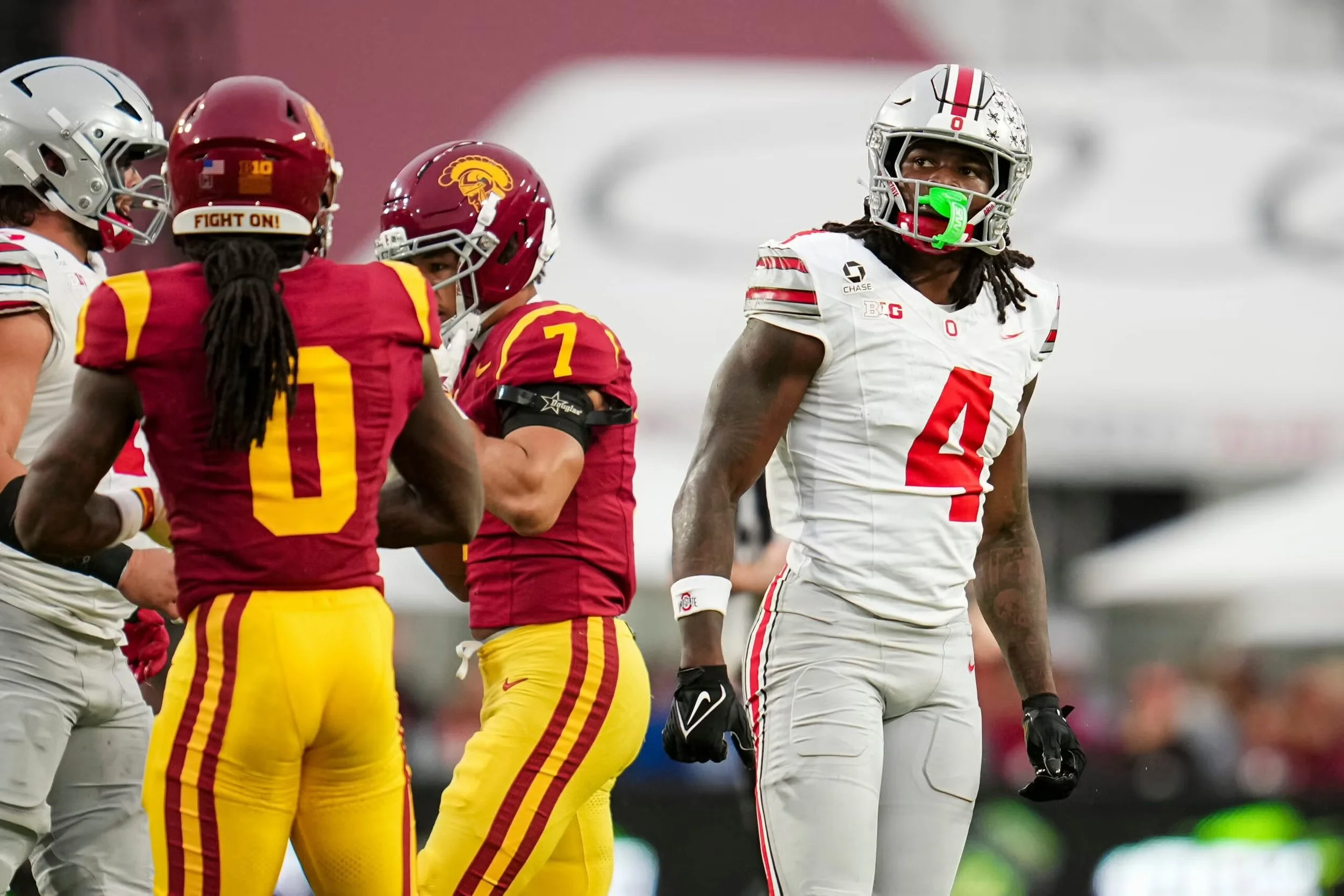
Buckeyes on the Brink: USC Loss Exposes Ohio State’s Offensive Struggles Ahead of Brutal November Schedule
LOS ANGELES, Calif. — Ohio State entered Saturday night as the No. 2 team in the country, carrying national championship expectations and one of college football’s most talented rosters. By the time the Buckeyes walked off the field at the Los Angeles Memorial Coliseum, those expectations had taken a significant hit.
USC defeated Ohio State 30-18 in a game that exposed serious concerns about the Buckeyes’ offensive philosophy, quarterback situation and ability to compete against quality opponents down the stretch.
For head coach Ryan Day, the loss raises an uncomfortable question that has followed Ohio State in some of its biggest games: Why does a team loaded with offensive talent continue to look so hesitant when the stakes are highest?
Playing without injured starting quarterback Julian Sayin, the Buckeyes appeared more concerned with avoiding mistakes than attacking a vulnerable USC defense. Freshman Luke Fahey struggled to consistently stretch the field, while Ohio State’s offense repeatedly settled for field goals despite moving the ball effectively into the red zone.
The result was a game that looked considerably more competitive statistically than it ever felt on the scoreboard.
Ohio State outgained USC 464-338, controlled possession for nearly 40 minutes and recorded 25 first downs. Yet the Buckeyes failed to score a touchdown until the final minutes of the fourth quarter.
Those numbers tell the story of an offense capable of moving the football but unable to finish drives when it mattered most. (Ohio State)
Ohio State Played Not to Lose Rather Than to Win
Perhaps the most frustrating aspect of Saturday’s defeat was not simply that Ohio State lost, but how it approached the game offensively.
With Fahey making his first career start, some degree of caution was understandable. The freshman was stepping into a difficult road environment against a USC program desperate for a signature victory.
However, there is a difference between protecting an inexperienced quarterback and allowing that inexperience to dictate an entire offensive identity.
Ohio State appeared determined to minimize risk, relying heavily on shorter passing concepts, controlled drives and its running game rather than consistently challenging USC vertically.
That approach produced respectable yardage totals but very little offensive explosiveness.
The Buckeyes reached the scoreboard three times in the first half, but every scoring possession ended with a field goal. Even when Ohio State moved inside the USC five-yard line, the offense failed to capitalize with a touchdown.
By halftime, USC held a 20-9 advantage despite Ohio State having several opportunities to keep pace.
The Buckeyes’ inability to finish drives became especially damaging after USC extended its lead to 27-9 in the third quarter.
At that point, Ohio State needed urgency, aggression and explosive plays. Instead, the offense continued struggling to generate the type of momentum necessary to mount a comeback.
The criticism of Day and Ohio State’s offensive approach is not that every possession needed to feature a deep pass. It is that the Buckeyes rarely forced USC to defend the full capabilities of their offense.
When a program recruits at Ohio State’s level, simply protecting the football cannot become the primary objective against a talented opponent.
Eventually, the offense has to be trusted to win the game rather than merely avoid losing it.
Luke Fahey’s First Start Exposes a Major Concern
Fahey finished his first collegiate start completing 21 of 38 passes for 260 yards, one touchdown and no interceptions.
On paper, those numbers are not disastrous for a freshman making his first start on the road.
But the statistics do not fully capture Ohio State’s offensive limitations.
Fahey struggled with accuracy on deeper throws and was unable to consistently create explosive passing opportunities. His difficulties were particularly noticeable when attempting to connect with Jeremiah Smith downfield.
One missed opportunity came when Smith created separation for what could have been a long touchdown, only for an underthrown pass to prevent the completion.
The freshman also struggled to turn promising possessions into touchdowns, an issue that ultimately defined the Buckeyes’ performance.
Still, placing the entire responsibility on Fahey would be unfair.
Bo Jackson rushed for 121 yards on 21 carries, while Isaiah West contributed another 65 yards. Ohio State accumulated 204 rushing yards, demonstrating that the offense had enough success on the ground to create opportunities through play-action and more aggressive passing concepts.
Instead, the Buckeyes struggled to establish a complementary passing attack that could consistently punish USC for concentrating on the shorter areas of the field.
The absence of Sayin is clearly significant. His injury has forced Ohio State to adjust its offensive approach at one of the most difficult points of the season.
But championship contenders must find ways to adapt when injuries occur, especially when surrounded by the caliber of talent Ohio State possesses.
Fahey will need to improve quickly, but the coaching staff must also determine how to put him in positions to attack defenses rather than simply manage games. (CBS Sports)
Jeremiah Smith’s Heisman Campaign Suddenly in Jeopardy
While Ohio State’s national championship aspirations suffered a significant setback, Saturday’s loss may have also changed the direction of the Heisman Trophy race.
Jeremiah Smith entered the weekend as one of the leading candidates for college football’s most prestigious individual award.
His remarkable combination of production, explosiveness and consistency had positioned him as a legitimate threat to become one of the rare wide receivers to capture the Heisman.
Against USC, Smith finished with 10 receptions for 83 yards and one touchdown.
Those would be impressive numbers for most receivers. For Smith, however, they represented a relatively quiet performance compared with the extraordinary standard he has established.
His lone touchdown came on a one-yard reception with just 2:12 remaining, long after USC had established control of the game.
Smith also made history, recording his 40th career receiving touchdown to establish a new Big Ten record.
But the individual milestone was overshadowed by Ohio State’s offensive struggles and the implications for his Heisman campaign.
Following Saturday’s loss, Smith reportedly slipped to third in FanDuel’s Heisman odds at +340, behind Miami quarterback Darian Mensah and receiver Malachi Toney.
That movement illustrates just how quickly the award race can change, particularly when a leading candidate’s team suffers a damaging defeat late in the season. (CBS Sports)
The larger concern for Smith is how Ohio State’s quarterback situation could affect his production throughout November.
Smith entered the USC game averaging nearly 19 yards per reception, a reflection of his ability to generate explosive plays and stretch opposing defenses.
Against the Trojans, he averaged just 8.3 yards per catch.
If Ohio State continues relying primarily on shorter passes, Smith may struggle to produce the game-changing performances necessary to separate himself from other Heisman contenders.
Wide receivers already face a difficult path to winning the award, particularly when competing against quarterbacks who control the football on nearly every offensive possession.
Smith’s campaign is far from over, but the margin for error has become considerably smaller.
To regain momentum, he may need multiple dominant performances against nationally relevant opponents over the final month of the regular season.
And for that to happen, Ohio State must find a way to get him the football beyond the line of scrimmage and intermediate passing routes.
USC Exposes Problems Beyond the Quarterback Position
Although much of the attention will center on Ohio State’s offensive struggles, the Buckeyes’ defense also endured an uncharacteristically difficult evening.
USC wasted almost no time establishing its offensive intentions.
On the Trojans’ second offensive play, freshman receiver Trent Mosley broke free for a 69-yard touchdown reception from quarterback Jayden Maiava.
The explosive play immediately placed Ohio State in an unfamiliar position, forcing the Buckeyes to respond after surrendering an early touchdown.
Mosley finished with five receptions for 101 yards, while Maiava threw for 222 yards and a touchdown.
USC also received rushing touchdowns from Waymond Jordan and King Miller.
The Trojans entered the contest following a disappointing 24-7 loss to Wisconsin, making their offensive resurgence against Ohio State particularly concerning.
A defense that had been among the country’s most reliable units suddenly struggled to prevent explosive plays and maintain control of the game.
USC’s 30 points represented the most Ohio State had surrendered in a game since 2024.
The Buckeyes also committed 11 penalties for 71 yards, adding another layer of self-inflicted damage to an already difficult performance.
For a team hoping to compete for a national championship, those mistakes cannot become a recurring problem. (Ohio State Box Score)
Ohio State’s Playoff Hopes Face a Brutal November Schedule
At 6-2, Ohio State’s College Football Playoff hopes remain alive, but the Buckeyes have almost completely exhausted their margin for error.
The defeat was Ohio State’s second of the season, marking the earliest the program has suffered two losses since 2011.
More concerning is the schedule awaiting the Buckeyes over the final four weeks.
Ohio State must navigate a difficult November featuring several opponents capable of creating serious problems for a team still searching for answers offensively.
Ohio State’s remaining regular-season schedule:
November 7 — vs. Oregon: A major test against another nationally competitive program, with Ohio State needing an immediate response.
November 14 — vs. Northwestern: A potentially dangerous matchup against a disciplined Big Ten opponent.
November 21 — vs. Nebraska: Another conference test that Ohio State cannot afford to overlook.
November 28 — vs. Michigan: The annual rivalry game, carrying enormous postseason implications regardless of either team’s record.
The matchup with Oregon next Saturday could prove to be the defining game of Ohio State’s season.
A victory would provide the Buckeyes with a valuable opportunity to restore confidence and strengthen their playoff résumé.
Another defeat, however, would leave Ohio State with three losses before Thanksgiving and place its postseason future in serious jeopardy.
Even winning the remaining four games would not automatically guarantee a playoff berth. The Buckeyes would still need to compare favorably with other contenders when the selection committee evaluates their complete body of work.
At the same time, a 10-2 finish featuring victories over Oregon and Michigan would give Ohio State a compelling argument for inclusion in the 12-team field.
The problem is that the Buckeyes no longer look like a team capable of assuming victories against quality opponents.
Without Sayin, the offense must demonstrate that it can score consistently against defenses considerably stronger than the one it faced Saturday.
And with Michigan waiting at the end of November, Ohio State cannot afford to enter the final stretch still searching for an offensive identity. (Ohio State)
Ryan Day Faces Another Defining Moment
For Ryan Day, Saturday’s defeat represents more than another loss in the standings.
It raises questions about Ohio State’s ability to adjust when its original game plan becomes ineffective.
The Buckeyes entered the season with legitimate national championship expectations, an elite receiving corps and a defense capable of competing with almost anyone in college football.
Yet against USC, Ohio State looked uncomfortable playing from behind and unwilling to consistently take the offensive risks necessary to change the game.
That is particularly troubling considering the talent available.
Smith remains one of the most dangerous offensive players in the country. Jackson has demonstrated that he can provide consistent production in the running game. Chris Henry Jr. and the rest of the receiving corps offer additional playmaking ability.
Ohio State does not lack weapons.
What it lacked Saturday was the ability to use those weapons decisively when the game demanded it.
Day now faces the challenge of rebuilding an offense around an inexperienced quarterback while simultaneously preparing for one of the most difficult stretches of the season.
There is little time for gradual improvement.
Oregon arrives in Columbus next weekend, and another performance defined by conservative play-calling, missed opportunities and red-zone failures could effectively end Ohio State’s realistic national championship ambitions.
A Season That Once Looked Promising Is Suddenly on the Brink
Perhaps the most alarming takeaway from Saturday’s defeat is how quickly Ohio State’s outlook has changed.
Only weeks ago, the Buckeyes appeared positioned to compete for a Big Ten championship, earn a favorable playoff seed and potentially watch Smith capture the Heisman Trophy.
Now, all three possibilities face significant uncertainty.
The loss to USC did not mathematically eliminate Ohio State from postseason contention, nor did it end Smith’s Heisman campaign.
But it dramatically changed the stakes of every remaining game.
Ohio State can no longer rely on its reputation, recruiting rankings or early-season accomplishments to carry it through November.
The Buckeyes must prove they can defeat quality opponents with the quarterback and personnel currently available.
That will require more aggressive offensive execution, improved defensive discipline and a willingness to trust their playmakers in critical situations.
Above all, Ohio State must abandon the hesitant approach that contributed to Saturday’s defeat.
There is a difference between playing intelligently and playing scared.
Against USC, the Buckeyes too often appeared to be doing the latter.
And with Oregon, Northwestern, Nebraska and Michigan still waiting, Ohio State’s season may ultimately depend on whether Day and his team can rediscover the mentality necessary to play to win rather than simply hoping not to lose.
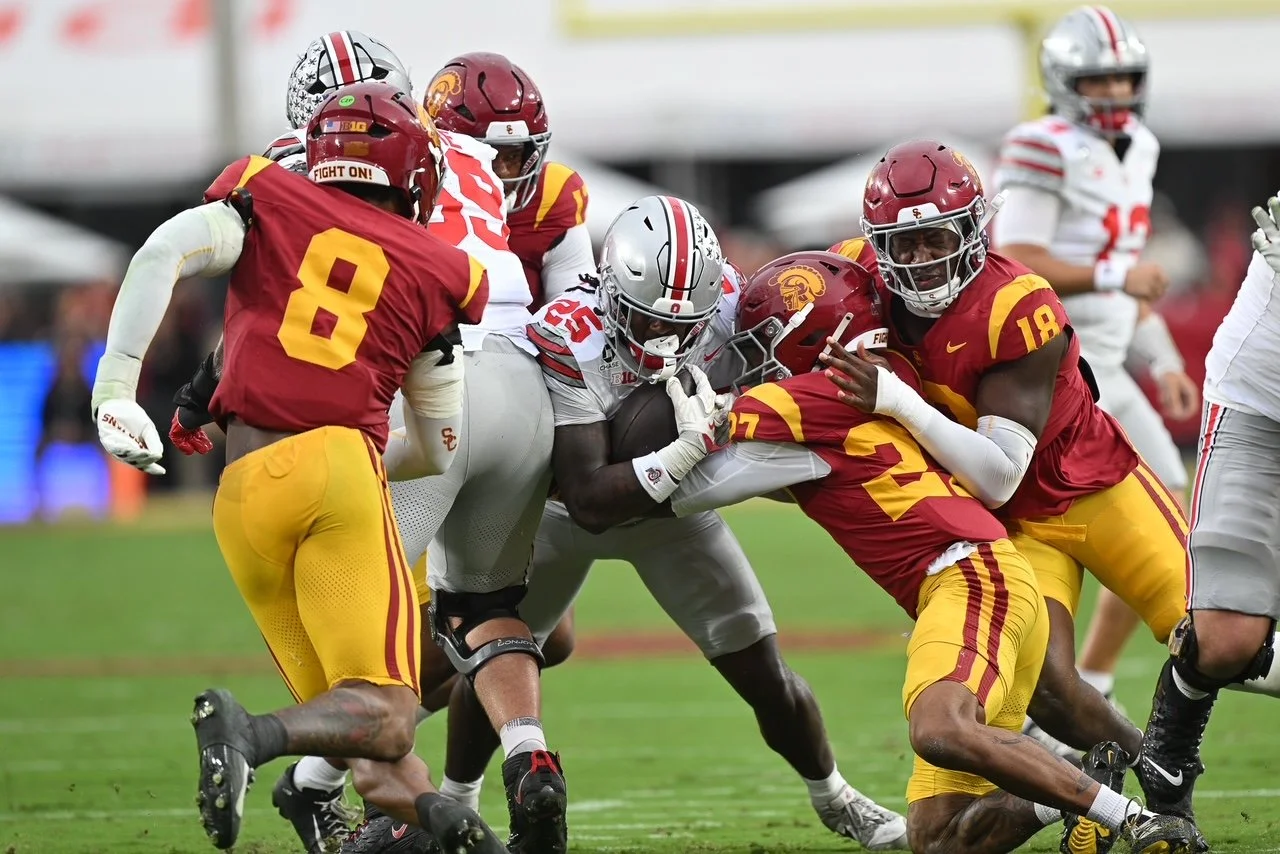
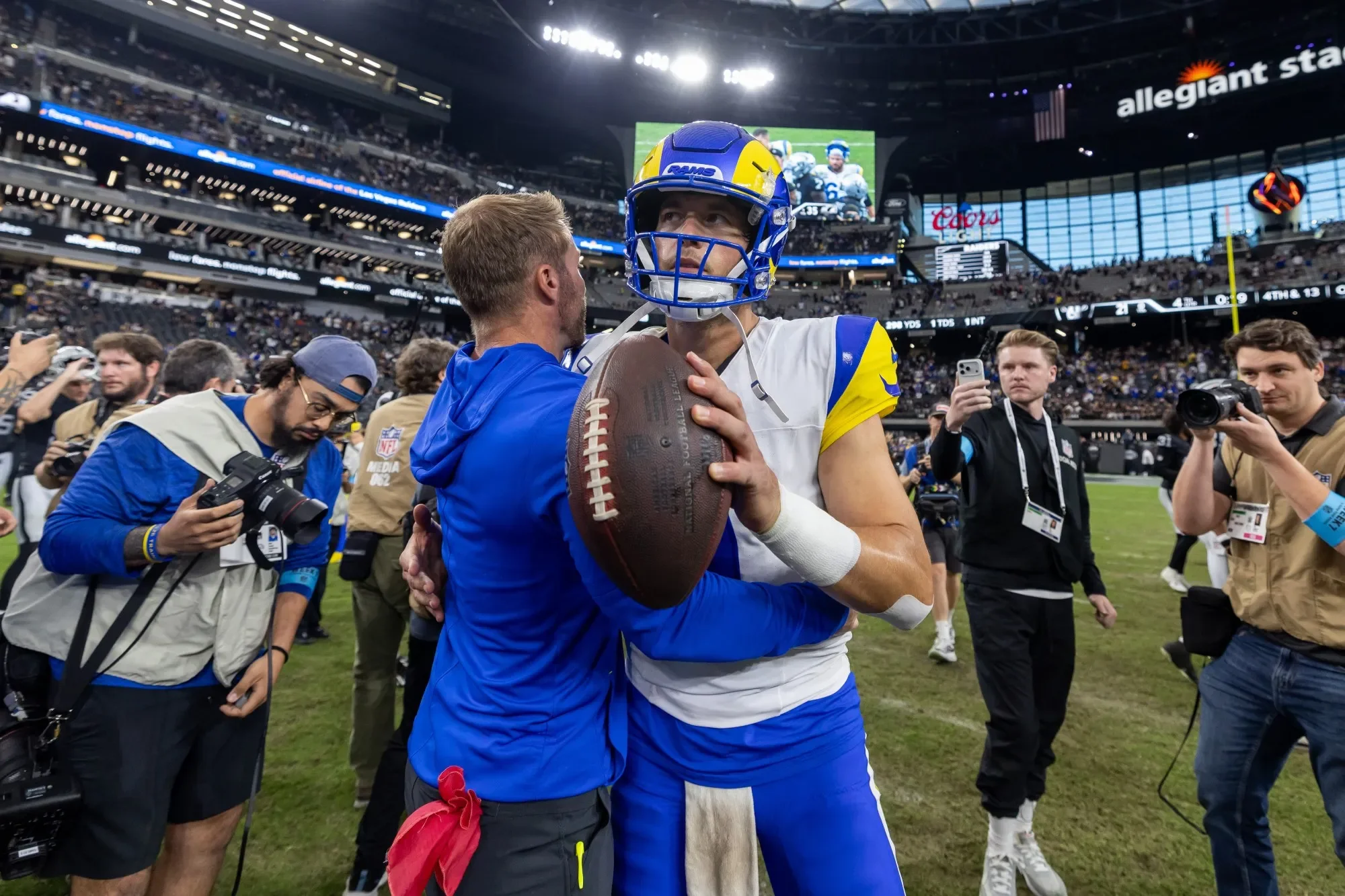
Matthew Stafford Makes NFL History, Becomes First Quarterback to Hold Passing Touchdown Record for Two Franchises
LAS VEGAS, Nev. — Matthew Stafford has spent nearly two decades establishing himself as one of the most productive quarterbacks in NFL history. On Sunday afternoon, the Los Angeles Rams veteran accomplished something no quarterback had ever done before.
Stafford became the Rams’ all-time leader in passing touchdowns during Sunday’s 35-21 victory over the Las Vegas Raiders, surpassing longtime franchise record holder Roman Gabriel. The milestone also made Stafford the first quarterback in NFL history to hold the career passing touchdown record for two different franchises, having already established the same mark during his 12 seasons with the Detroit Lions. (Rams)
The historic achievement adds another chapter to a career that has included a Super Bowl championship, an NFL Most Valuable Player award and more than 400 career touchdown passes.
Stafford Breaks a Record That Stood for More Than Five Decades
Entering Sunday’s matchup against Las Vegas, Stafford needed three touchdown passes to surpass Gabriel’s franchise record of 154, a mark that had stood since the former Rams quarterback concluded his tenure with the organization in 1972.
Stafford wasted little time approaching the milestone.
The 38-year-old opened the scoring with a three-yard touchdown pass to tight end Davis Allen in the first quarter before connecting with Allen again from five yards out.
Then, in the second quarter, Stafford found wide receiver Puka Nacua for an 11-yard touchdown, officially giving him 155 passing touchdowns as a member of the Rams and moving him into sole possession of first place in franchise history.
What makes the accomplishment particularly impressive is how quickly Stafford reached the mark. Gabriel recorded his 154 touchdown passes across 130 games with the Rams, while Stafford surpassed that total in just 81 appearances.
It was another reminder of the remarkable offensive production Stafford has delivered since arriving in Los Angeles in 2021. (NBC Sports)
From Detroit to Los Angeles: A Historic Achievement Across Two Franchises
While becoming the Rams’ passing touchdown leader was significant on its own, Stafford’s place in NFL history extends far beyond Los Angeles.
Before joining the Rams, Stafford spent the first 12 seasons of his career with the Detroit Lions after being selected with the first overall pick in the 2009 NFL Draft.
Despite playing for Detroit teams that frequently struggled to compete for championships, Stafford developed into one of the league’s most prolific passers.
During his tenure with the Lions, Stafford threw 282 touchdown passes, establishing a franchise record that remains intact today.
His time in Detroit was defined by impressive individual production, numerous fourth-quarter comebacks and a strong connection with Hall of Fame wide receiver Calvin Johnson.
However, postseason success remained elusive, and Stafford eventually departed Detroit following the 2020 season in a trade that sent him to the Rams.
Five years later, Stafford has now rewritten the record books for a second organization.
With 282 passing touchdowns in Detroit and 155 in Los Angeles, Stafford became the only quarterback in NFL history to hold the career passing touchdown record for two of the league’s current 32 franchises.
It is a distinction that separates Stafford from some of the greatest quarterbacks to ever play the position, including Tom Brady, Peyton Manning, Brett Favre and Aaron Rodgers. (Associated Press)
A Career Transformed Following His Departure From Detroit
Stafford’s move to Los Angeles in 2021 fundamentally changed the trajectory of his career.
After spending more than a decade searching for postseason success in Detroit, Stafford immediately helped the Rams capture Super Bowl LVI during his first season with the franchise.
The championship validated the organization’s decision to acquire the veteran quarterback and gave Stafford the postseason accomplishment that had eluded him throughout his time with the Lions.
His success did not end there.
During the 2025 season, Stafford delivered one of the finest individual performances of his career, throwing a career-high and league-leading 46 touchdown passes on his way to earning his first NFL Most Valuable Player award.
Now in his 18th NFL season, Stafford continues to produce at a high level despite being one of the oldest starting quarterbacks in the league.
His latest milestone brings his career total to 437 passing touchdowns, placing him sixth on the NFL’s all-time list and further strengthening an already compelling Hall of Fame résumé. (Associated Press)
Stafford’s Historic Afternoon Helps Rams End Losing Streak
Stafford’s record-breaking performance also came at an important time for Los Angeles.
Entering Sunday’s contest with a 2-4 record and riding a two-game losing streak, the Rams needed a victory to prevent their early-season struggles from worsening.
Stafford helped provide exactly that.
The veteran quarterback completed 23 of 29 passes for 195 yards, three touchdowns and one interception as Los Angeles defeated Las Vegas 35-21 at Allegiant Stadium.
The Rams built a commanding 28-3 lead during the second quarter, with Stafford’s three touchdown passes helping establish early control of the game.
Running backs Kyren Williams and Blake Corum also contributed touchdowns as Los Angeles accumulated 386 yards of total offense.
The victory improved the Rams to 3-4, providing some much-needed momentum as they attempt to climb back into the NFC playoff picture. (Reuters)
Another Milestone Strengthens Stafford’s Hall of Fame Case
For Stafford, Sunday’s accomplishment represents something larger than another entry in the franchise record books.
Few quarterbacks have enjoyed sustained statistical success with two different organizations, and even fewer have managed to redefine their careers after more than a decade in the NFL.
Stafford has now done both.
His 12 seasons in Detroit established him as one of the most productive quarterbacks of his generation, while his time in Los Angeles has provided the championships, individual recognition and continued production that have elevated his legacy.
Following Sunday’s victory, Stafford acknowledged the teammates and coaches who helped him reach the milestone, emphasizing that passing touchdowns are the product of an entire offense rather than one individual.
The quarterback’s appreciation reflects the two distinct chapters of his career, each defined by different teammates, coaching staffs and expectations. (Associated Press)
A Legacy Unlike Any Other Quarterback
There have been quarterbacks who dominated with one franchise before finding success elsewhere. Others have accumulated extraordinary career statistics while spending most of their careers with a single organization.
Stafford’s achievement combines both paths.
He remains Detroit’s all-time leader in passing touchdowns more than five years after leaving the organization, and he now holds the same distinction for a Rams franchise with a history stretching back decades.
At 38 years old, Stafford continues to add to a career that has already included nearly every major accomplishment available to an NFL quarterback.
And while the Rams still have considerable work ahead of them this season, Sunday’s performance ensured that Stafford’s name would be permanently attached to another piece of NFL history.
Two franchises. Two all-time passing touchdown records. One quarterback.
Matthew Stafford has accomplished something no player before him had ever achieved, adding another defining accomplishment to one of the most remarkable quarterback careers of his generation.
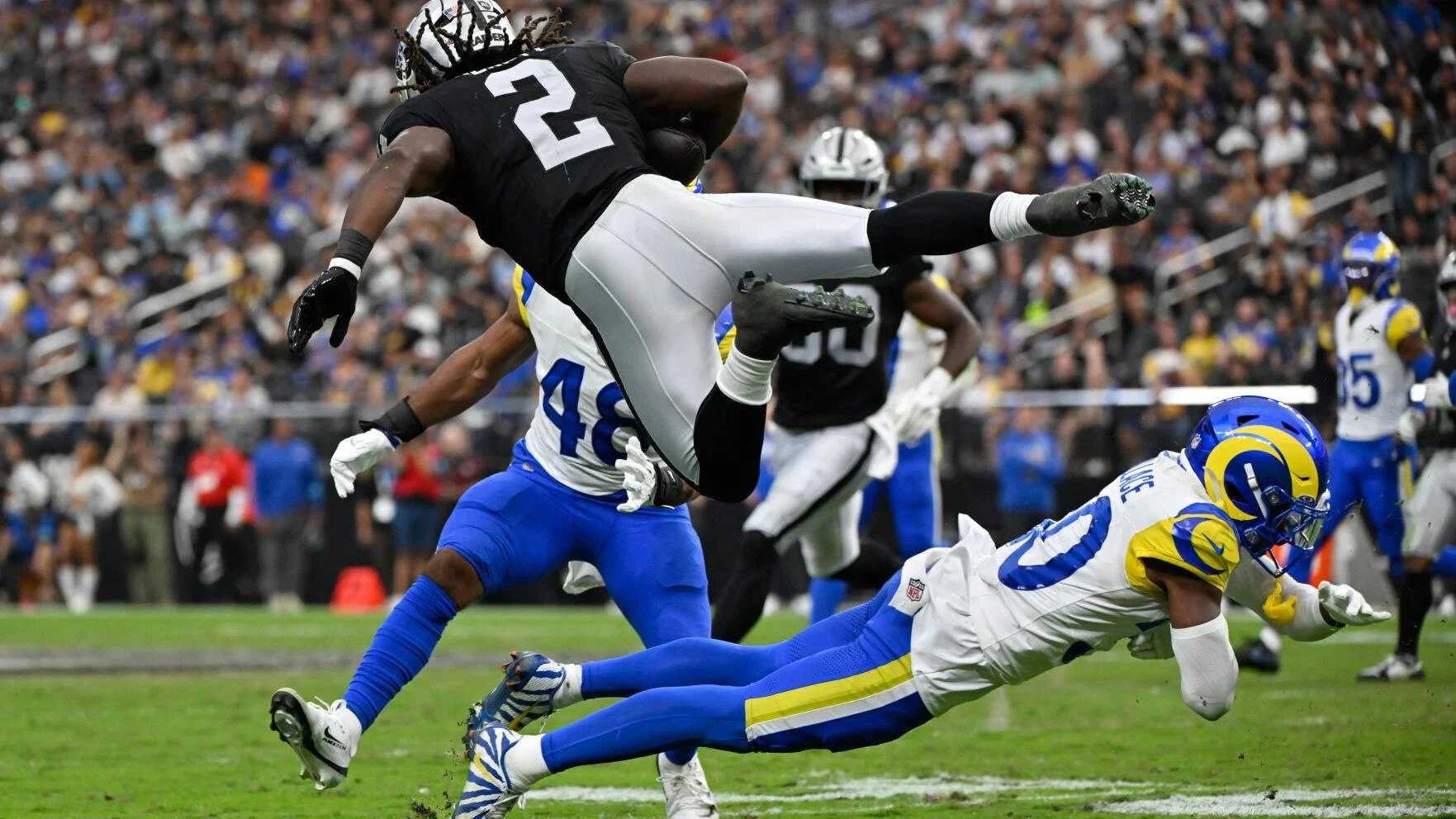
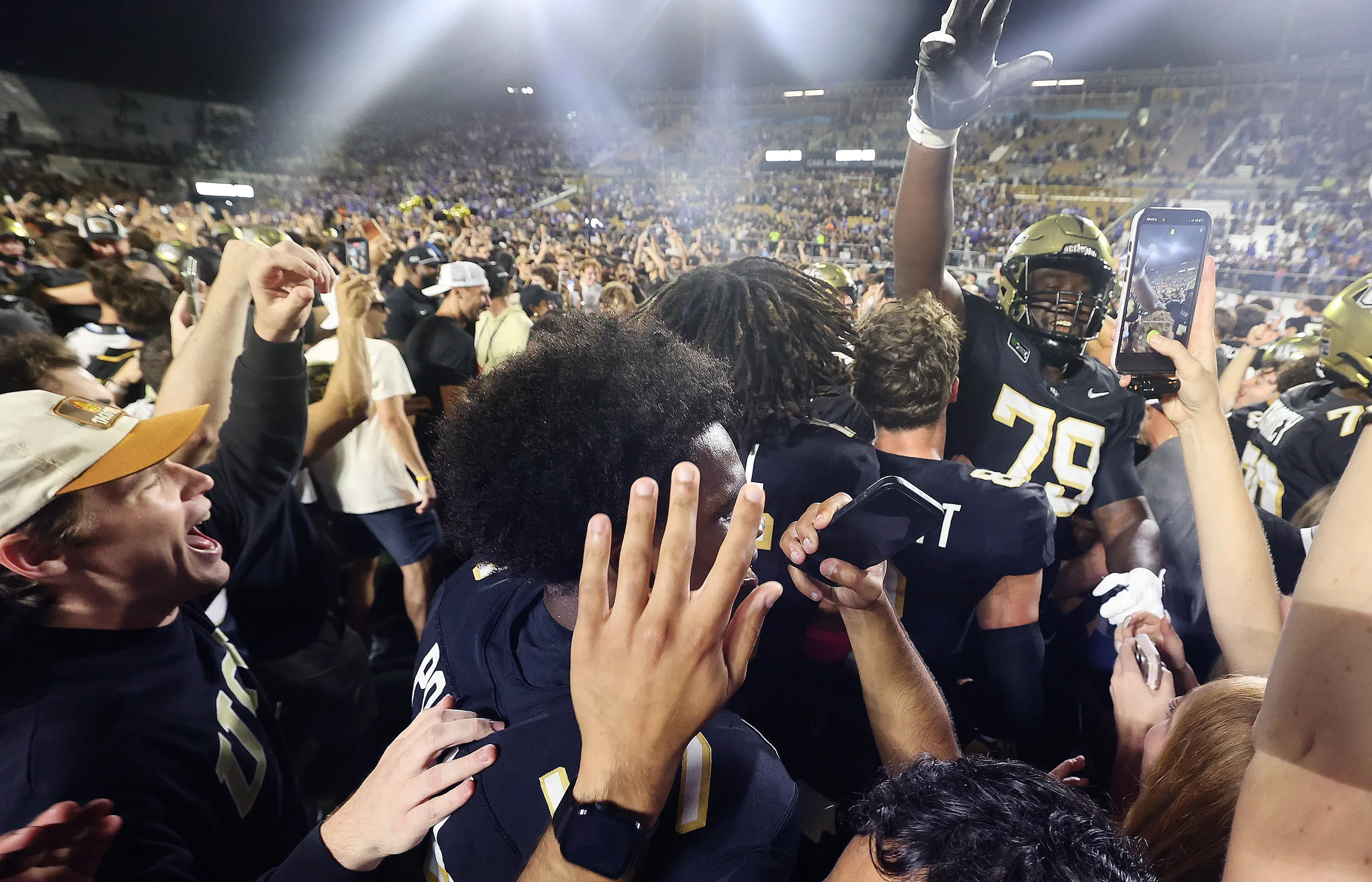
College Football Chaos Continues: Seven Ranked Teams Fall, Another Upset-Filled Saturday
For the second consecutive weekend, college football delivered another Saturday filled with upsets, dramatic finishes, and major implications for the College Football Playoff race.
Seven ranked teams suffered defeats on October 24, including three teams ranked inside the top 10. Five of those losses came against unranked opponents, continuing an unpredictable stretch of the 2026 season that has dramatically reshaped the national championship picture.
No. 2 BYU, No. 7 Ole Miss, No. 8 Texas Tech, No. 11 Tennessee, No. 14 Houston, No. 15 Iowa, and No. 16 USC all suffered losses, with several games decided in the closing moments.
Saturday’s results also produced another remarkable statistic: For the first time since 2007, a team ranked in the AP top two has lost to an unranked opponent in three consecutive weeks.
With the regular season entering its final stretch, the separation between playoff contenders and the rest of the country continues to narrow. (NCAA)
No. 2 BYU Falls to UCF in Double Overtime, 39-31
The biggest upset of the weekend came in Orlando, where unranked UCF defeated No. 2 BYU 39-31 in double overtime, handing the Cougars their first loss of the season.
BYU entered Saturday with considerable momentum after defeating Notre Dame the previous weekend, a victory that had elevated the Cougars into the national championship conversation.
However, UCF quarterback Keyone Jenkins and the Knights had other plans.
Jenkins threw for 293 yards and three touchdowns, including a two-yard touchdown pass to tight end Grayson Brousseau in the second overtime that helped secure one of the biggest victories in UCF program history.
The Knights’ victory marked their first win over a top-five opponent, sending the home crowd onto the field in celebration.
For BYU, the loss immediately complicated its pursuit of a Big 12 championship and a favorable playoff position. After entering the weekend ranked second nationally, the Cougars fell to No. 8 in Sunday’s updated AP poll.
The defeat was especially significant considering BYU had entered the game undefeated and appeared positioned to remain among the leading playoff contenders.
Instead, the Cougars became the latest highly ranked team to discover how quickly the national championship picture can change. (Associated Press)
Cincinnati Hands No. 8 Texas Tech Its First Loss, 37-24
The Big 12 experienced another major upset when Cincinnati defeated previously unbeaten No. 8 Texas Tech 37-24 at Nippert Stadium.
Cincinnati quarterback JC French IV delivered one of the best performances of his career, throwing for 172 yards and a career-high four touchdowns.
Running back Cole Tabb provided additional offensive production, rushing for a career-best 173 yards and a touchdown as the Bearcats consistently found ways to move the football against the Red Raiders.
The victory represented Cincinnati’s first home win over a top-10 opponent since November 2006, when the Bearcats defeated No. 7 Rutgers.
For Texas Tech, the loss brought an abrupt end to its undefeated season and raised questions about its ability to maintain its position near the top of the Big 12 standings.
The Red Raiders entered Saturday as one of the conference’s strongest playoff candidates, but Cincinnati’s performance exposed vulnerabilities that had not been as apparent during their unbeaten start.
With BYU also losing, two of the Big 12’s highest-ranked teams suffered their first defeats on the same afternoon.
Texas Tech subsequently dropped to No. 13 in the latest AP rankings. (FOX Sports)
No. 7 Ole Miss Falls to No. 19 Texas, 34-27
In one of Saturday’s biggest SEC matchups, No. 19 Texas defeated No. 7 Ole Miss 34-27 in Austin, delivering another setback to a highly ranked conference opponent.
The Longhorns entered the weekend looking to strengthen their postseason résumé after an inconsistent stretch of performances.
Against Ole Miss, Texas managed to produce enough offense to secure a seven-point victory, although the Rebels made things uncomfortable during the second half.
For Ole Miss, the defeat represented a significant missed opportunity to maintain its position among the nation’s highest-ranked teams.
The Rebels entered the weekend ranked seventh, placing them firmly within the playoff conversation. Losing to another ranked SEC opponent, however, added pressure heading into the final portion of their conference schedule.
Texas, meanwhile, received a substantial boost in the national rankings, climbing eight places to No. 11.
Although both teams remain relevant in the playoff discussion, Saturday’s result demonstrated just how consequential head-to-head SEC matchups have become as the postseason approaches. (CBS Sports)
South Carolina Defeats No. 11 Tennessee on Walk-Off Field Goal, 27-24
South Carolina delivered one of the afternoon’s most dramatic finishes, defeating No. 11 Tennessee 27-24 on a last-second field goal in Columbia.
The Gamecocks battled throughout the afternoon before producing the decisive sequence in the closing moments.
Defensive end Dylan Stewart forced a fumble on a strip-sack, giving South Carolina a late opportunity to secure the victory.
Kicker Malik Orsan then connected on a 48-yard field goal as time expired, sending Williams-Brice Stadium into celebration.
Quarterback LaNorris Sellers helped lead the Gamecocks’ comeback effort, while South Carolina’s defense made the critical play that ultimately decided the contest.
The victory also carried personal significance for head coach Shane Beamer, whose father, former Virginia Tech coach Frank Beamer, celebrated his 80th birthday Saturday.
For Tennessee, the defeat was another damaging result in an increasingly competitive SEC race.
The Volunteers entered the weekend ranked 11th and hoping to strengthen their playoff credentials, but South Carolina’s late-game execution left Tennessee facing additional pressure over its remaining schedule. (FOX Sports)
Minnesota Defeats No. 15 Iowa, 13-10, in Rivalry Game
One of college football’s longstanding rivalries produced another memorable finish as Minnesota defeated No. 15 Iowa 13-10 to reclaim the Floyd of Rosedale trophy.
In a defensive battle where scoring opportunities were limited, the Golden Gophers found themselves with an opportunity to win in the final seconds.
Minnesota kicker Luke Drzewiwcki delivered, connecting on a 46-yard field goal as time expired to secure the three-point victory.
The win marked Minnesota’s first victory over Iowa since 2023 and just its second against the Hawkeyes in the past 12 years.
The result was particularly meaningful for head coach P.J. Fleck, whose team celebrated with its home crowd following the final kick.
For Iowa, the defeat represented a frustrating setback in a season where the Hawkeyes had established themselves as a nationally ranked contender.
Despite another competitive defensive performance, Iowa’s inability to generate sufficient offense ultimately proved costly.
The loss also carried implications for the Big Ten standings, where several teams remain in contention entering the final weeks of the regular season. (FOX Sports)
Wisconsin Dominates No. 16 USC, 24-7
Wisconsin delivered one of the weekend’s most convincing upsets, defeating No. 16 USC 24-7 in Madison.
Unlike several other ranked losses decided in the final moments, the Badgers controlled much of the contest with a physical defensive performance.
Wisconsin intercepted USC quarterback Jayden Maiava twice during the first half and held the Trojans to minus-17 rushing yards.
The Badgers also received an offensive contribution from running back Bryan Jackson, a former USC player who scored a touchdown against his previous team.
Quarterback Colton Joseph connected with Chris Brooks Jr. for a 16-yard touchdown on fourth-and-two, helping Wisconsin build its advantage.
The result marked Wisconsin’s second victory over a ranked opponent this season and provided a significant boost for head coach Luke Fickell’s program.
For USC, the defeat raised serious concerns about the Trojans’ offensive consistency.
Entering the game ranked 16th, USC had an opportunity to remain firmly involved in the Big Ten’s postseason picture. Instead, the Trojans struggled to establish their running game and failed to generate enough scoring opportunities.
Wisconsin’s victory added another surprising result to a weekend already filled with ranked teams falling on the road. (FOX Sports)
No. 14 Houston Falls to No. 10 Utah, 21-13
Not every ranked defeat Saturday came against an unranked opponent.
No. 10 Utah continued its impressive undefeated season with a 21-13 victory over No. 14 Houston in Salt Lake City.
Utah quarterback Devon Dampier delivered a strong all-around performance, finishing with 204 passing yards and 150 rushing yards while accounting for two touchdowns.
His ability to create opportunities through both the passing and running games proved essential as the Utes worked to separate themselves from Houston.
The victory extended Utah’s winning streak to 13 games and kept the program undefeated through eight weeks.
Houston, meanwhile, entered the contest hoping to establish itself as one of the Big 12’s leading championship contenders.
Although the Cougars remained competitive, Utah’s offensive versatility ultimately proved too much to overcome.
With BYU and Texas Tech both losing earlier in the day, Utah emerged from Saturday in an increasingly favorable position within the conference.
The Utes climbed to No. 6 in Sunday’s AP poll, reinforcing their status as one of the nation’s leading playoff candidates. (NCAA)
Three Unbeaten Teams Remain as Playoff Race Tightens
Perhaps the most significant development from Saturday’s results was the continued disappearance of undefeated teams.
Entering the weekend, five FBS programs remained unbeaten. Following the losses by BYU and Texas Tech, only Miami, UCLA, and Utah maintained perfect records.
According to historical data cited by the Associated Press, it is the fewest undefeated teams remaining at this stage of a college football season since 1977.
Miami strengthened its position atop the rankings with a 52-23 victory over Pittsburgh, while UCLA defeated Michigan State 28-10 to remain unbeaten.
Utah’s victory over Houston completed the undefeated trio.
Meanwhile, Ohio State moved into the No. 2 position in the latest AP poll despite having a bye week, with Georgia, Indiana, and Notre Dame rounding out the top five.
The results have created an unusual national championship picture in which several programs with losses remain firmly in contention, while previously undefeated teams must now respond to their first significant setbacks.
The volatility has also extended beyond the top 10. With seven ranked teams losing Saturday, voters were forced to reconsider much of the national landscape.
In fact, Miami was the only program in the entire AP Top 25 to retain its ranking from the previous week. (Associated Press)
Another Saturday That Could Shape the College Football Playoff
College football has now produced consecutive weekends of remarkable instability.
After five of the top seven teams lost the previous Saturday, Week 8 delivered another seven ranked defeats, including five against unranked opponents.
The consequences extend well beyond the weekly rankings.
BYU and Texas Tech must recover from their first losses. Tennessee, Iowa, and USC face additional questions about their postseason trajectories. Ole Miss must navigate an increasingly demanding SEC race, while Houston looks to rebound from a difficult road defeat.
At the same time, programs such as UCF, Cincinnati, South Carolina, Minnesota, and Wisconsin demonstrated how quickly an unranked team can alter the national picture.
With only a handful of regular-season weekends remaining, the margin for error continues to shrink.
For the teams still pursuing conference championships and College Football Playoff berths, Saturday offered another reminder that rankings provide no guarantees once the games begin.
And if the past two weekends are any indication, the 2026 college football season may have plenty more surprises remaining.
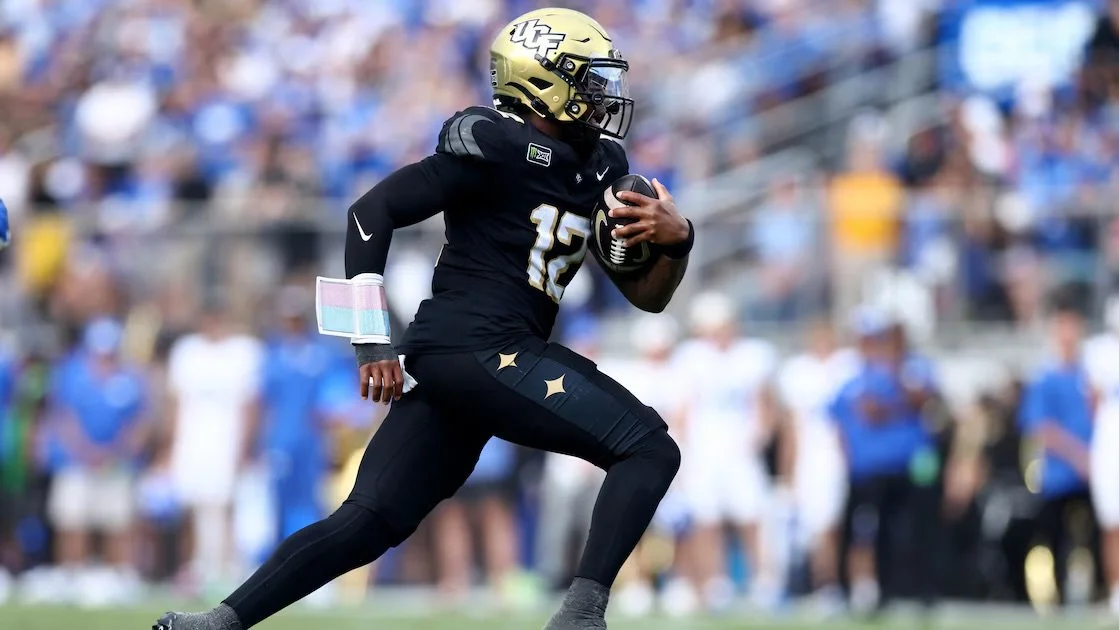
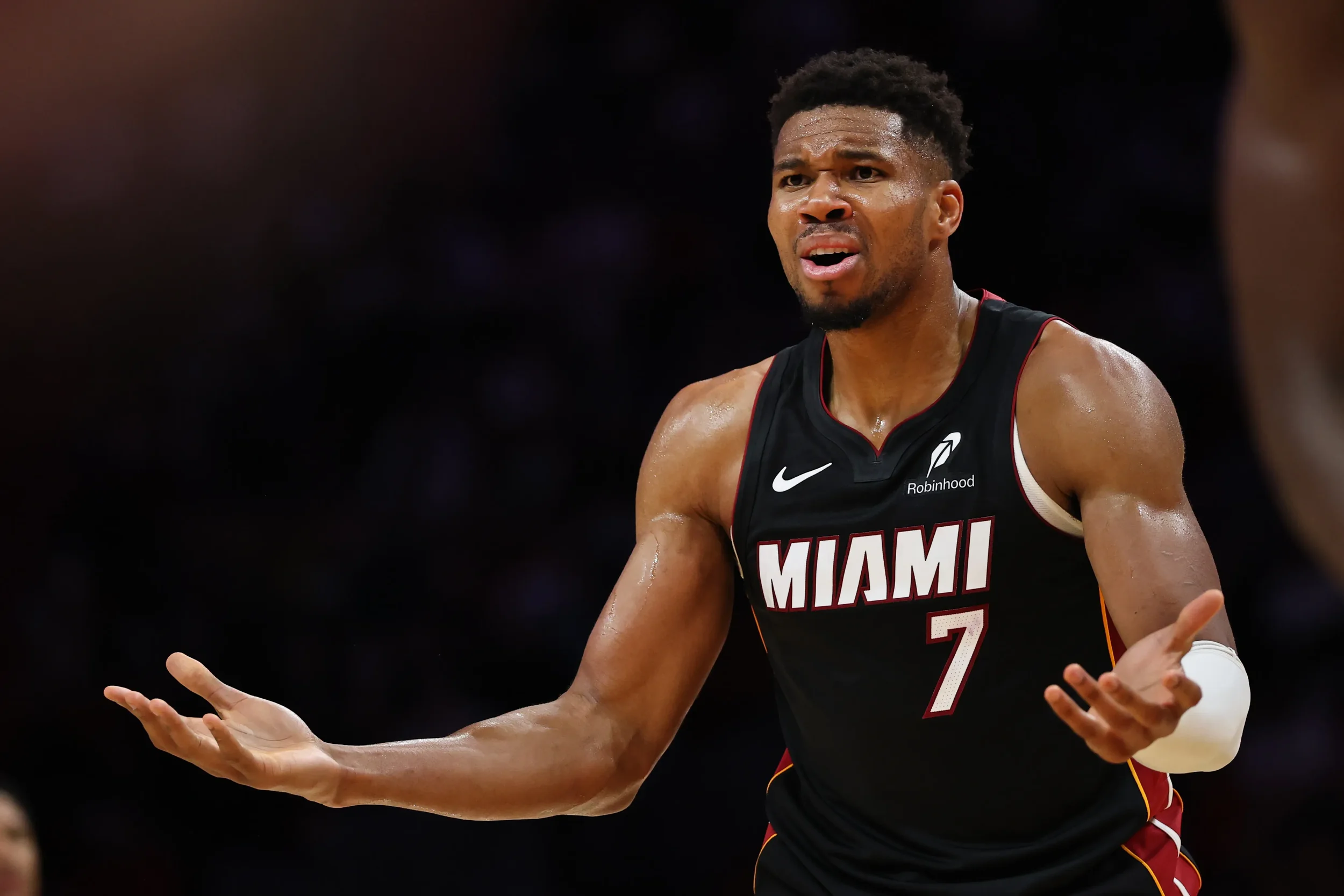
Miami Heat Searching for Answers Following Disappointing 0-3 Start
MIAMI, Fla. — The Miami Heat entered the 2026-27 NBA season with championship aspirations following one of the most significant roster transformations in franchise history. Three games into the new campaign, however, the results have been anything but what the organization envisioned.
Despite acquiring two-time NBA MVP Giannis Antetokounmpo and five-time All-Star Klay Thompson during the offseason, Miami has opened its season with three consecutive losses, falling to the Minnesota Timberwolves, Detroit Pistons and Charlotte Hornets.
Saturday night’s 115-110 defeat against Charlotte dropped the Heat to 0-3, marking the franchise’s first winless start through three games since the 2007-08 season, when Miami finished with a disastrous 15-67 record.
For a franchise that spent the offseason assembling a roster capable of competing for an Eastern Conference championship, the early struggles have raised questions about chemistry, offensive consistency and whether Miami’s new collection of talent can develop into a legitimate contender. (Miami Herald)
A Disappointing Beginning to a New Era
Miami’s offseason was headlined by the arrival of Antetokounmpo, whose departure from the Milwaukee Bucks represented one of the NBA’s most significant changes in recent years.
The former NBA champion and two-time league MVP arrived in South Florida expected to immediately elevate a Heat organization that has consistently pursued championship contention under head coach Erik Spoelstra.
Alongside Antetokounmpo, Miami added Thompson, one of the most accomplished three-point shooters in NBA history and a four-time champion with the Golden State Warriors.
The organization also brought in veterans Bobby Portis and Tim Hardaway Jr., adding experience and perimeter shooting to a roster already featuring Bam Adebayo, Andrew Wiggins and Davion Mitchell.
On paper, the combination appeared formidable. Antetokounmpo’s dominance attacking the basket, Thompson’s outside shooting and Adebayo’s defensive versatility offered Miami several different ways to challenge opposing teams.
Through three games, however, that potential has yet to translate into victories.
The Heat opened their season with a 131-106 loss to Minnesota before suffering another double-digit defeat Friday against Detroit, 128-111.
Saturday’s matchup against Charlotte appeared to present an opportunity for Miami to finally break through, particularly against a Hornets team coming off a 47-point loss to Atlanta the previous evening.
Instead, the Heat suffered another disappointing defeat, extending their early-season losing streak. (Hot Hot Hoops)
Giannis Producing, but Miami Struggling to Capitalize
Perhaps the most concerning aspect of Miami’s opening stretch has been its inability to turn Antetokounmpo’s individual performances into team success.
The 31-year-old superstar began his Heat career with consecutive dominant scoring performances, recording 35 points against Minnesota and another 36 against Detroit.
His combined 71 points through two games demonstrated that his offensive production remains among the NBA’s elite.
Unfortunately for Miami, those performances were not enough to overcome the team’s defensive shortcomings and inconsistent contributions throughout the rotation.
Against Charlotte, Antetokounmpo experienced his first significant offensive struggles in a Heat uniform.
He finished with just 14 points and six rebounds, shooting 4-of-11 from the field before fouling out late in the fourth quarter.
The performance represented a dramatic decline from his opening two games and highlighted how difficult Miami’s offense can become when its biggest star is unable to consistently impose his will.
Following Friday’s loss to Detroit, Antetokounmpo acknowledged the urgency surrounding Miami’s disappointing start.
“Sometimes you gotta shock the team, and this is what we are going through right now,” Antetokounmpo said.
The former MVP also emphasized that improvement must begin with himself as the team attempts to establish its identity.
For Antetokounmpo, the 0-3 start is particularly unfamiliar. It marks the first time in his NBA career that his team has lost its opening three games. (Yahoo Sports)
Hornets Deliver Another Frustrating Defeat
Miami’s latest setback came Saturday evening at Spectrum Center, where Charlotte overcame a furious fourth-quarter comeback to secure a 115-110 victory.
The Hornets controlled much of the contest, building a commanding lead behind Brandon Miller, who finished with 34 points and seven rebounds.
Naz Reid contributed 23 points and nine rebounds, while Dennis Schröder added 25 points.
Miami trailed 66-58 at halftime before Charlotte extended its advantage during a dominant third quarter.
The Hornets outscored the Heat 30-17 in the period, taking a 96-75 lead into the fourth.
Facing another potential blowout, Miami finally responded.
The Heat opened the final quarter with a remarkable 27-4 run, briefly taking a 102-100 lead and completely erasing Charlotte’s comfortable advantage.
Davion Mitchell led Miami with 22 points and 10 assists, while Adebayo contributed 20 points and eight rebounds.
However, the comeback ultimately fell short.
Grayson Allen delivered a crucial four-point play late in the fourth quarter, helping Charlotte regain control before Antetokounmpo fouled out with under two minutes remaining.
The defeat was particularly frustrating considering Charlotte entered the matchup without Coby White and Kon Knueppel, two important members of its rotation.
Miami had opportunities to secure its first victory but once again failed to execute consistently enough to finish the job. (Reuters)
Klay Thompson and Miami’s Supporting Cast Face Growing Pressure
While Antetokounmpo has attracted most of the attention surrounding Miami’s new roster, Thompson’s arrival was also expected to significantly improve the team’s offensive versatility.
The veteran shooting guard built his reputation as one of basketball’s premier perimeter threats during Golden State’s championship dynasty.
His ability to stretch opposing defenses appeared particularly valuable alongside Antetokounmpo, whose attacking style routinely forces defenders to collapse toward the basket.
In theory, that combination should create open opportunities along the perimeter while allowing Adebayo and Miami’s other offensive contributors to operate with additional space.
However, the Heat have struggled to establish consistent offensive rhythm through their opening three contests.
Miami’s roster contains several players accustomed to different offensive systems, responsibilities and playing styles. Developing chemistry between those individuals remains one of Spoelstra’s biggest challenges.
Thompson’s ability to provide reliable outside shooting will be especially important as opposing defenses continue concentrating their attention on Antetokounmpo.
The Heat also need more consistent contributions from their supporting cast to prevent the offense from becoming overly dependent on individual performances.
Although the season remains young, Miami’s early struggles suggest that assembling a talented roster and developing a cohesive basketball team are two very different challenges.
Spoelstra Faces an Early Test
Few coaches in the NBA have established a stronger reputation for maximizing talent than Erik Spoelstra.
The longtime Miami head coach has guided the franchise to multiple NBA Finals appearances and earned widespread recognition for his defensive schemes, player development and postseason adjustments.
Now, he faces the challenge of integrating several high-profile additions while attempting to reverse an unexpectedly poor start.
Miami has allowed at least 115 points in each of its first three games, an especially concerning trend for an organization historically associated with defensive discipline.
The Heat’s problems extend beyond simply making shots.
Defensive communication, transition coverage and offensive execution have all contributed to the team’s early struggles.
Following Saturday’s defeat, Spoelstra acknowledged that his team needs to rediscover the energy necessary to compete consistently.
“We need inspiration,” Spoelstra said. “It’s a powerful thing when you can inspire your teammate to make an extraordinary effort. And we will, we’ll get there.”
His comments reflect the challenge facing Miami: transforming a talented collection of individuals into a team capable of sustaining success over an 82-game season. (Yahoo Sports)
What Comes Next for Miami?
The Heat will have an opportunity to secure their first victory Monday when they return to Kaseya Center to face the Dallas Mavericks.
However, the schedule becomes increasingly demanding afterward, with six of Miami’s following seven games taking place away from home.
That upcoming stretch could provide an early indication of whether the team’s struggles are simply the result of adjusting to a significantly different roster or evidence of more substantial problems.
There is certainly no reason to dismiss Miami’s championship potential after only three games.
Antetokounmpo remains one of the NBA’s most dominant players, Adebayo continues to anchor the frontcourt, and Thompson brings championship experience that could prove valuable as the season progresses.
Nevertheless, expectations surrounding the Heat changed dramatically when the organization acquired Antetokounmpo.
Miami did not assemble this roster merely to compete for a playoff appearance. The intention was to establish another championship contender in the Eastern Conference.
Instead, the Heat find themselves searching for their first victory while attempting to correct problems that were largely unexpected entering opening week.
With 79 regular-season games remaining, Miami has more than enough time to recover.
But for a franchise that entered the season expecting a new era of championship basketball, an 0-3 start has provided an immediate reminder that even the NBA’s most talented rosters are not guaranteed success.
The Heat have the star power. Now they must prove they can turn it into victories.
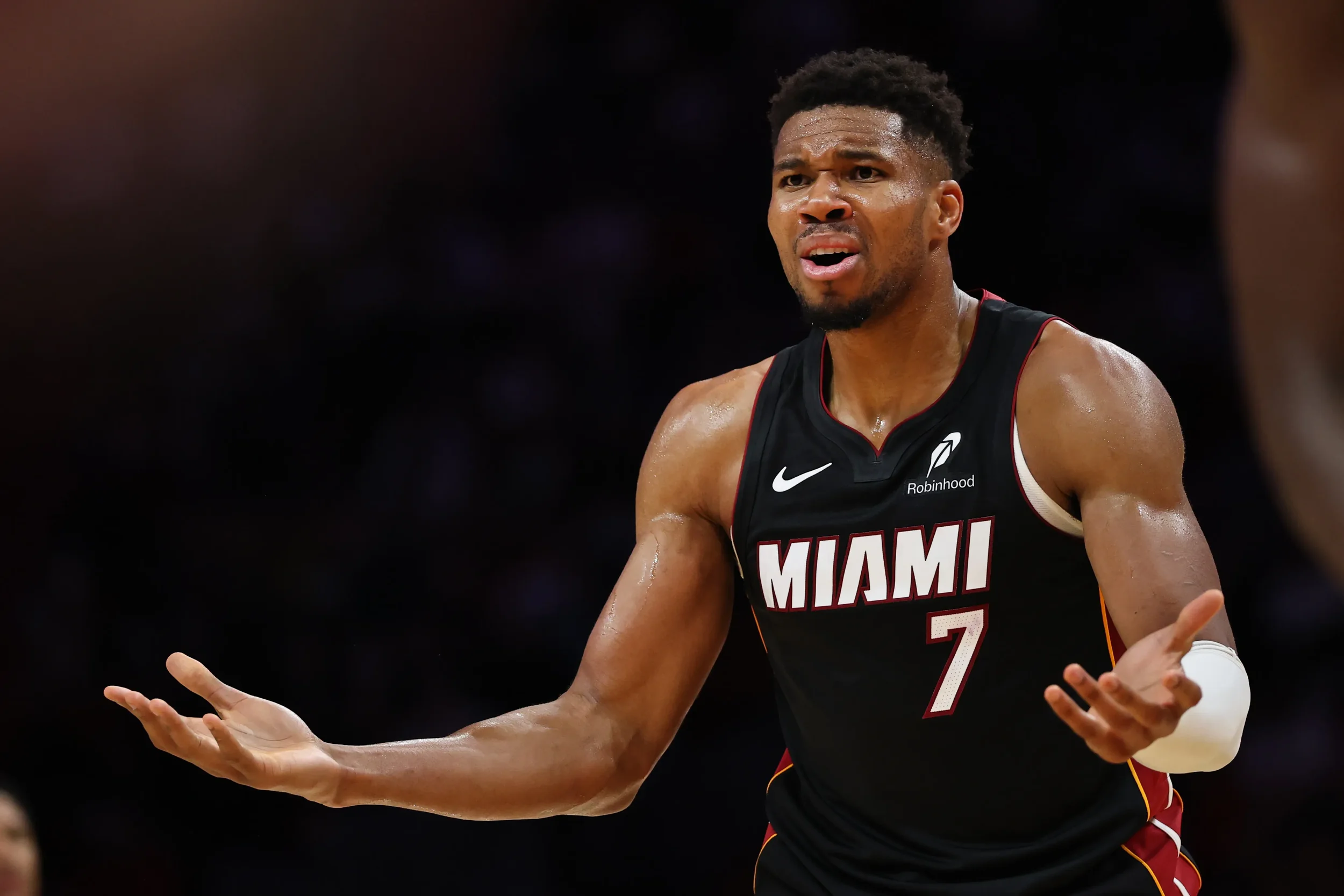
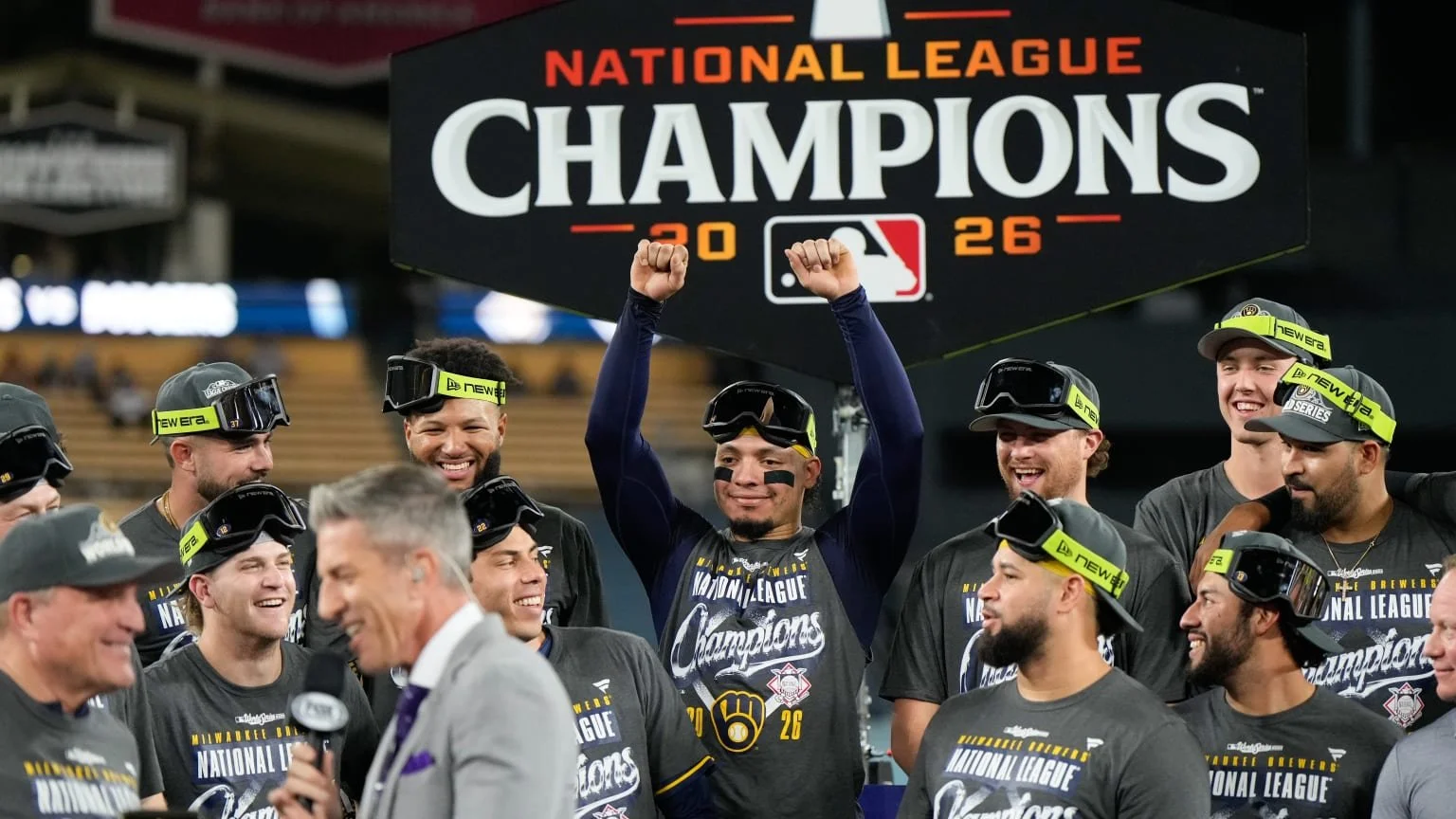
Brewers and Rays Set for Historic World Series as Both Franchises Chase First Championship
MILWAUKEE, WI — The stage is set for a World Series that will guarantee something Major League Baseball has not seen in years: a first-time champion.
The Milwaukee Brewers and Tampa Bay Rays will meet Friday night at American Family Field for Game 1 of the 2026 World Series, beginning a best-of-seven championship series between two organizations that have spent decades searching for their first title.
Milwaukee enters the Fall Classic following a franchise-record 103-win regular season and an impressive four-game sweep of the two-time defending champion Los Angeles Dodgers in the National League Championship Series.
Tampa Bay, meanwhile, finished with 98 victories and secured the American League pennant after defeating the Cleveland Guardians in six games, earning its third World Series appearance and first since 2020.
Neither franchise has ever won a World Series, ensuring that one organization will celebrate a historic first championship when the series concludes.
Game 1 is scheduled for 8 p.m. ET Friday and will be televised nationally on FOX. (MLB.com)
Milwaukee Returns to the World Series After 44 Years
For the Brewers, the opportunity to compete for a championship has been more than four decades in the making.
Milwaukee last appeared in the World Series in 1982, when the franchise was still a member of the American League. That team, famously known as Harvey’s Wallbangers, featured Hall of Famers Robin Yount, Paul Molitor and Rollie Fingers.
The Brewers ultimately fell to the St. Louis Cardinals in seven games, leaving Milwaukee without a World Series championship.
Since then, the franchise has experienced several successful regular seasons and deep postseason runs, but none resulted in another appearance in baseball’s championship series.
That changed this October.
After winning an MLB-best 103 games during the regular season, Milwaukee defeated the San Diego Padres in four games in the National League Division Series before sweeping the Dodgers in the NLCS.
The victory over Los Angeles carried additional significance after the Dodgers eliminated Milwaukee from the postseason in 2025 on their way to a second consecutive championship.
This time, the Brewers reversed the outcome, eliminating the defending champions without allowing them a single victory.
NLCS MVP Jake Bauers emerged as one of Milwaukee’s postseason standouts, while Jackson Chourio, William Contreras and Brice Turang helped power an offense that has found another level in October.
Milwaukee now enters its first World Series since 1982 with an opportunity to accomplish something even the franchise’s legendary teams could not. (MLB.com)
Tampa Bay Looks to Finish Its Own Historic Run
While Milwaukee has waited 44 years to return to the World Series, Tampa Bay is seeking redemption from two previous championship appearances.
The Rays first reached the World Series in 2008, falling to the Philadelphia Phillies in five games.
They returned in 2020, only to lose to the Los Angeles Dodgers in six games during the pandemic-shortened season.
Now, six years later, Tampa Bay has another opportunity to bring a championship to the franchise.
The Rays finished the regular season with an American League-best 98-64 record before sweeping the New York Yankees in the ALDS.
Their path through the ALCS proved more difficult.
Facing Cleveland, Tampa Bay fell behind 2-1 in the series before winning three consecutive games to secure the pennant.
Junior Caminero delivered one of the defining moments of the series, hitting a two-run home run in Game 6 as the Rays defeated the Guardians 7-3 to advance.
The victory capped an impressive turnaround against a Cleveland team that had appeared capable of controlling the series.
Tampa Bay now enters the World Series having won seven of its nine postseason games, giving the Rays momentum against baseball’s winningest team.
With Caminero and Yandy Díaz leading the offense and a talented pitching staff anchored by Drew Rasmussen and Freddy Peralta, the Rays have the personnel to challenge Milwaukee throughout the series. (CBS Sports)
Game 1 Preview: Pitching Could Determine the Opening Matchup
Friday’s opening game presents an intriguing pitching matchup between two organizations that have relied heavily on strong starting pitching throughout the season.
Milwaukee is expected to send right-hander Jacob Misiorowski to the mound.
The 24-year-old enjoyed a remarkable regular season, finishing 16-5 with a 1.80 ERA and 252 strikeouts while establishing himself as one of baseball’s most dominant young pitchers.
His ability to generate velocity and miss bats has made him a particularly difficult matchup for opposing hitters.
During the NLDS against San Diego, Misiorowski threw a pitch measured at 104.8 mph, the fastest recorded postseason pitch of the pitch-tracking era.
However, opposing lineups have forced him to work deep into counts during the postseason, preventing him from pitching beyond the fifth inning in either of his two October starts.
Tampa Bay’s starting pitching situation has drawn additional attention.
Although Rasmussen was initially projected to start Game 1 after an outstanding season, recent reporting indicates that veteran right-hander Nick Martinez will receive the assignment.
Martinez, 36, brings valuable experience to a Rays staff that has been effective throughout October.
For Milwaukee, the key will be forcing Tampa Bay’s starter into difficult situations early and creating opportunities against the Rays’ bullpen.
Tampa Bay, meanwhile, must find ways to limit Milwaukee’s aggressive offensive approach while avoiding early deficits in a hostile road environment. (MLB.com)
Milwaukee’s Offense Has Found Its Power at the Right Time
One of the most interesting developments surrounding the Brewers has been their transformation offensively during the postseason.
Despite winning 103 games, Milwaukee was not considered one of baseball’s most powerful home-run-hitting teams during the regular season.
The Brewers finished with just 154 home runs, tied for the second-fewest in Major League Baseball.
However, that changed in October.
Milwaukee has hit 10 home runs through its first seven postseason games, receiving contributions from several players throughout the lineup.
Contreras leads the team with three postseason home runs, while Chourio and Garrett Mitchell have each added two.
Bauers, Turang and David Hamilton have also contributed home runs during the postseason.
That sudden increase in power has made an already dangerous Milwaukee offense even more difficult to contain.
The Brewers have also continued relying on their established strengths, including aggressive baserunning, situational hitting and defensive consistency.
Against a Tampa Bay pitching staff that has been effective throughout October, Milwaukee’s ability to generate offense without depending exclusively on home runs could become particularly important. (MLB.com)
Tampa Bay’s Pitching Depth Presents a Major Challenge
Although Milwaukee enters the World Series with the better regular-season record, Tampa Bay possesses a pitching staff capable of limiting even the league’s strongest offenses.
Rasmussen finished the regular season 16-5 with a 2.67 ERA and has continued his impressive performance into October.
Through his first 21 postseason innings, Rasmussen allowed just three earned runs while striking out 23 batters and issuing only three walks.
His ability to work efficiently and avoid unnecessary baserunners has made him one of Tampa Bay’s most reliable starters.
Peralta, meanwhile, adds another experienced arm to the rotation after earning ALCS MVP honors.
The veteran right-hander is particularly familiar with Milwaukee, having spent eight seasons with the Brewers before being traded to the New York Mets during the offseason and subsequently joining Tampa Bay at the trade deadline.
His knowledge of Milwaukee’s organization and several former teammates adds another interesting storyline to the series.
If Tampa Bay can consistently receive quality outings from its starting rotation, the Rays could force Milwaukee into a series decided by bullpen execution and late-inning opportunities.
That would create a fascinating matchup between two teams known for maximizing their pitching resources. (MLB.com)
Two Small-Market Franchises, One Historic Opportunity
Beyond the individual matchups, the 2026 World Series represents a significant moment for two franchises that have built competitive teams without the financial resources of baseball’s largest-market organizations.
Milwaukee and Tampa Bay have consistently relied on player development, scouting and strategic roster construction to compete against teams with considerably larger payrolls.
Both organizations have developed reputations for identifying undervalued talent and maximizing the contributions of players throughout their rosters.
Their success this season illustrates how different approaches to roster construction can produce championship-caliber teams.
For Milwaukee, the opportunity carries the weight of 44 years without a World Series appearance.
For Tampa Bay, it represents another chance to finally complete the journey after falling short in 2008 and 2020.
The two franchises have combined for three previous World Series appearances without winning a championship.
That drought will finally end for one of them.
The matchup also guarantees that the World Series trophy will go to a franchise that has never previously lifted it, making this year’s championship particularly meaningful regardless of the outcome. (MLB.com)
World Series Schedule and Home-Field Advantage
Milwaukee will hold home-field advantage throughout the World Series after finishing the regular season with the best record in baseball.
The Brewers will host the opening two games before the series shifts to Tropicana Field in St. Petersburg, Florida.
If necessary, the series will return to Milwaukee for Games 6 and 7.
2026 World Series Schedule
Game 1: Friday, October 23 — Tampa Bay at Milwaukee, 8 p.m. ET
Game 2: Saturday, October 24 — Tampa Bay at Milwaukee, 8 p.m. ET
Game 3: Monday, October 26 — Milwaukee at Tampa Bay, 8 p.m. ET
Game 4: Tuesday, October 27 — Milwaukee at Tampa Bay, 8 p.m. ET
Game 5: Wednesday, October 28 — Milwaukee at Tampa Bay, if necessary
Game 6: Friday, October 30 — Tampa Bay at Milwaukee, if necessary
Game 7: Saturday, October 31 — Tampa Bay at Milwaukee, if necessary
All games are scheduled to air nationally on FOX, with streaming available through FOX One.
Milwaukee also holds a slight advantage in the teams’ regular-season meetings, having won two of three games against Tampa Bay earlier this year. (MLB.com)
What Will Decide the 2026 World Series?
Several factors could determine which franchise captures its first championship.
Milwaukee enters the series with the advantage of home-field support, a dominant regular-season record and an offense that has become increasingly dangerous during October.
The Brewers also benefit from additional rest after completing their NLCS sweep on October 15.
Tampa Bay, meanwhile, enters with the momentum of three consecutive victories against Cleveland and a pitching staff capable of challenging Milwaukee’s lineup.
The Rays have already demonstrated their ability to overcome adversity during the postseason, particularly after falling behind in the ALCS.
One of the most important questions will be whether Milwaukee can continue its recent power surge against Tampa Bay’s pitching staff.
Another will be whether the Rays can consistently generate offense against Misiorowski and Milwaukee’s bullpen.
The Brewers’ ability to control games through pitching and defense has been a major factor in their success, while Tampa Bay has relied on timely hitting and effective pitching management to advance.
In a best-of-seven series, those small advantages could ultimately determine the championship.
A New Champion Will Be Crowned
For the first time since 1980, the World Series will feature two franchises seeking their first championship.
Milwaukee has waited 44 years for another opportunity to compete on baseball’s biggest stage.
Tampa Bay has returned for the third time in franchise history, hoping to avoid another disappointing ending.
Both teams have already accomplished something remarkable by reaching the Fall Classic, but neither will be satisfied simply with winning a pennant.
The Brewers enter as the favorites after producing baseball’s best regular-season record and eliminating the defending champions in dominant fashion.
The Rays arrive with their own impressive résumé, having won 98 games and defeated two formidable American League opponents.
When the first pitch is thrown Friday night in Milwaukee, the final chapter of the 2026 MLB season will begin.
Seven games may be necessary to determine the winner, but one outcome is already certain.
For either Milwaukee or Tampa Bay, a championship celebration that has never happened before is now just four victories away.
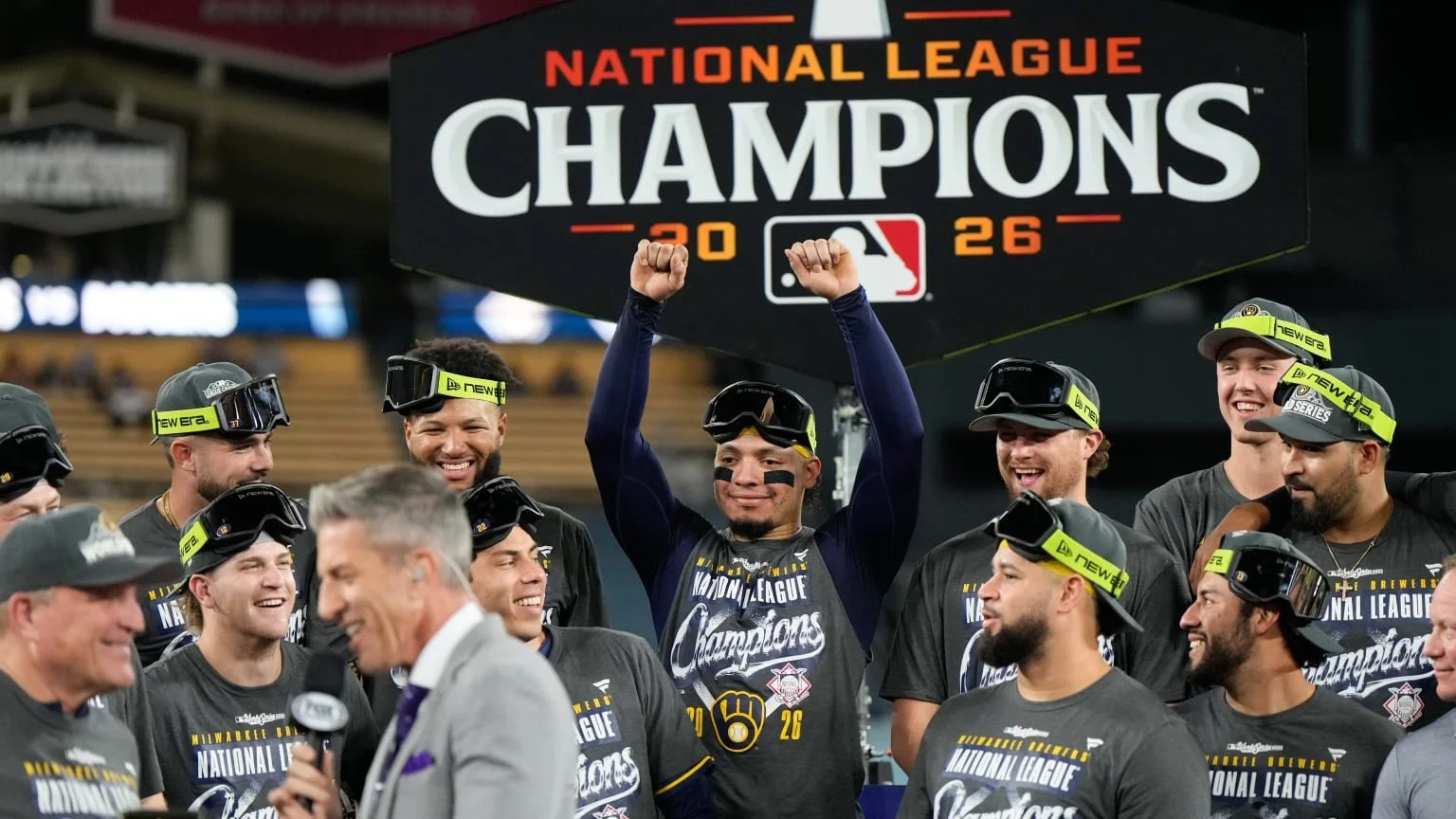
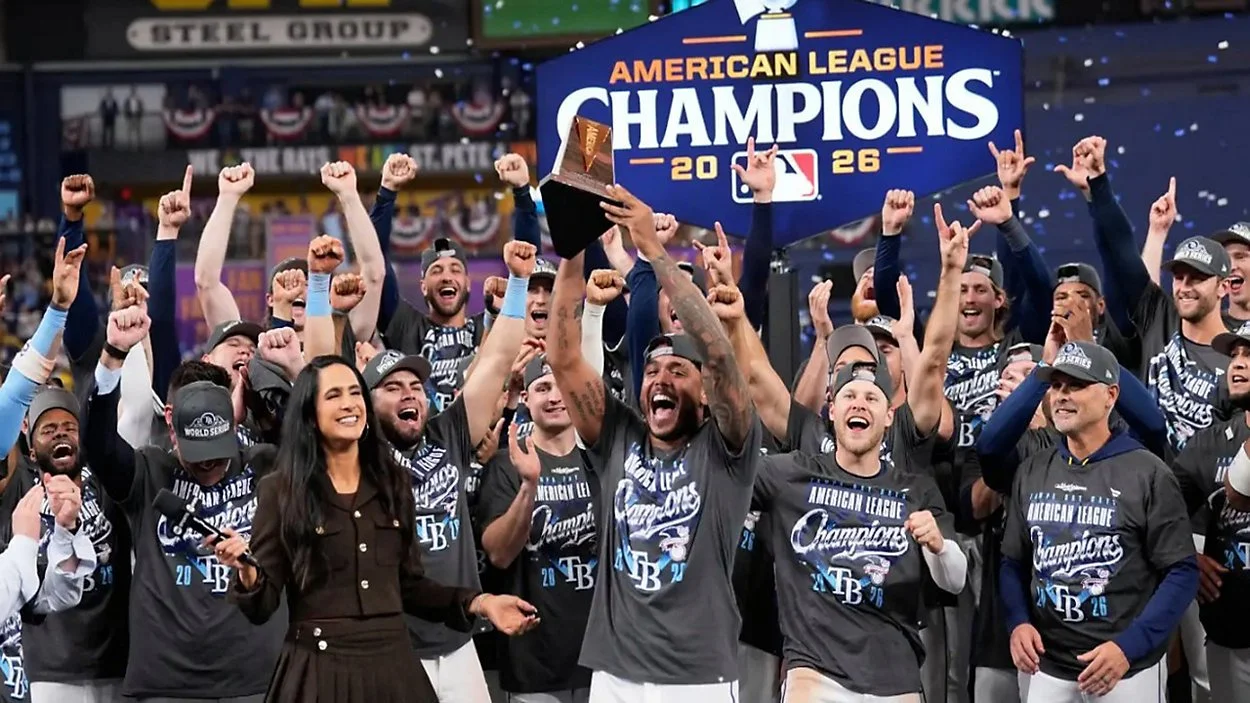
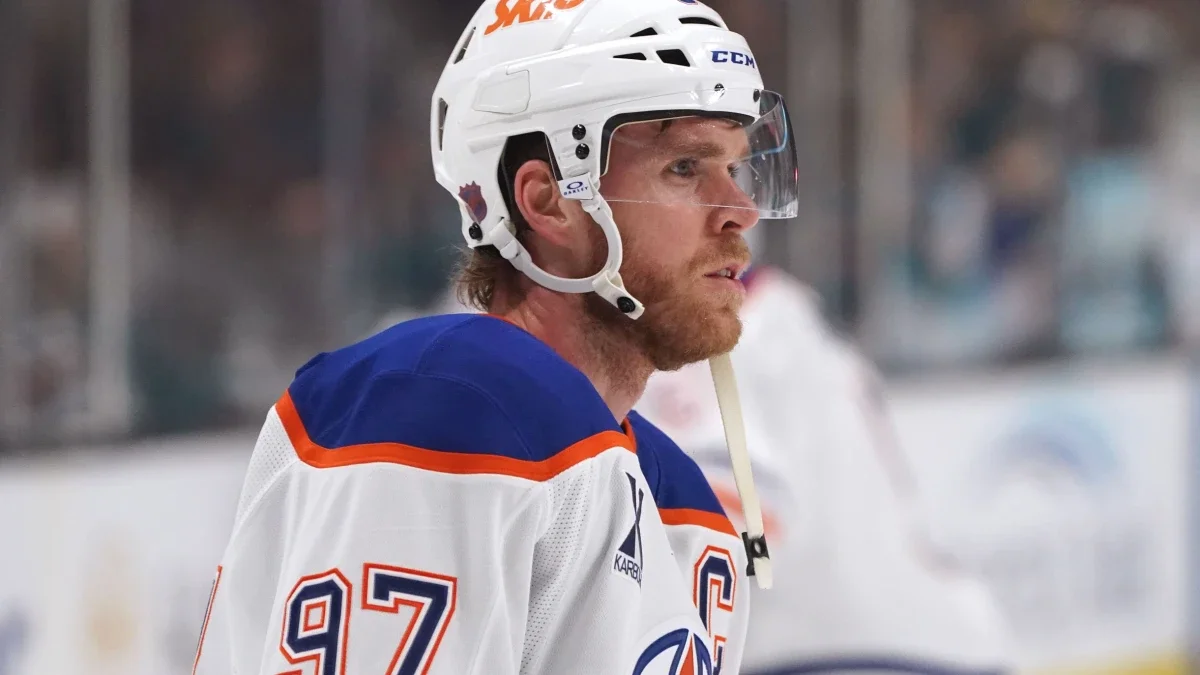
Connor McDavid Is Rewriting NHL History With a Start Not Seen in Three Decades
EDMONTON — There are hot starts, there are dominant stretches, and then there is whatever Connor McDavid has been doing through the opening weeks of the 2026-27 NHL season.
Nine games into his 12th NHL campaign, the Edmonton Oilers captain is producing offense at a rate that has become almost impossible to comprehend. The three-time Hart Trophy winner has already accumulated 26 points, including an astonishing 20 assists, putting himself on a scoring pace rarely witnessed in the modern era.
For a player who has spent the better part of a decade redefining offensive excellence, McDavid is somehow finding new ways to separate himself from the rest of the league.
His latest performance came Tuesday night against the Minnesota Wild, when McDavid recorded three assists in Edmonton’s 4-3 overtime victory. His final assist, which set up Evan Bouchard’s game-winning goal, established an NHL record for the most assists through the first nine games of a season.
The remarkable achievement adds another chapter to a career already filled with historic milestones. More importantly, it raises a question that seemed almost unreasonable entering the season: Could McDavid be putting together the greatest offensive campaign of his career? (Sportsnet)
A Scoring Pace the NHL Hasn’t Seen Since Mario Lemieux
Before Tuesday’s victory over Minnesota, McDavid had already established himself as the NHL’s runaway scoring leader.
Through Edmonton’s first eight games, the 29-year-old had recorded six goals and 17 assists for 23 points, averaging an extraordinary 2.88 points per game.
To put those numbers into perspective, no NHL player had produced as many points through his first eight games of a season since Mario Lemieux recorded 27 points with the Pittsburgh Penguins during the 1995-96 campaign.
That was 31 seasons ago.
McDavid’s 17 assists through eight games also matched the historic opening stretches of Lemieux in 1995-96 and Wayne Gretzky in 1986-87, placing Edmonton’s current superstar alongside two of the most prolific offensive players in hockey history.
Tuesday’s three-assist performance pushed him beyond those legendary marks, giving McDavid sole possession of the NHL record with 20 assists through nine games.
It is the type of statistical achievement that illustrates just how extraordinary his opening weeks have been.
McDavid also became the second-fastest player in NHL history to reach 20 points in a season, trailing only Lemieux, who accomplished the feat in seven games during the 1995-96 season.
The comparisons to Gretzky and Lemieux are particularly significant considering the dramatic changes in NHL scoring over the past three decades.
Both legends played substantial portions of their careers during eras when offensive production was considerably higher than it has been for much of the modern game. Goaltending techniques, defensive systems and the overall structure of professional hockey have evolved considerably since then.
Yet McDavid is producing numbers that belong in conversations with those historic seasons. (NHL.com) (Edmonton Oilers)
Two Five-Point Performances in Just Eight Games
Perhaps the most remarkable aspect of McDavid’s opening stretch is how effortlessly the production appears to be coming.
In Edmonton’s first eight games, McDavid recorded two separate five-point performances, bringing his career total to 16.
His second came Saturday night against the Utah Mammoth, when he scored twice and added three assists in a commanding 6-2 Oilers victory.
McDavid wasted almost no time establishing himself, scoring just 40 seconds into the opening period after receiving a breakaway pass from longtime teammate Leon Draisaitl.
The goal was his seventh career opening-minute tally, tying a franchise record established by Mark Messier.
From there, McDavid continued dismantling Utah’s defense, contributing to five of Edmonton’s six goals and extending his season-opening point streak to eight games.
The performance was especially impressive considering the circumstances.
Utah had defeated Edmonton 4-2 just two nights earlier, handing the Oilers their first regulation loss of the season. Rather than allowing the defeat to develop into a losing streak, Edmonton responded with one of its most complete offensive performances of the young campaign.
And McDavid was at the center of nearly everything.
The five-point outing was another reminder of what makes him such a difficult player to contain. His ability to accelerate through the neutral zone, manipulate defensive coverage and identify passing lanes before they fully develop allows him to create opportunities that simply do not exist for most NHL players.
Opposing defenders frequently find themselves facing an impossible decision: challenge McDavid’s speed and risk surrendering an open passing lane, or protect against the pass and give one of the world’s most dangerous offensive players room to attack.
Either choice can end with the puck in the back of the net. (Edmonton Oilers)
McDavid’s Historic 800th Game Adds to the Remarkable Start
McDavid’s dominance has not been limited to one or two exceptional performances.
On October 13, the Oilers captain appeared in his 800th career NHL game against the Los Angeles Kings, reaching another significant milestone in a career that began when Edmonton selected him first overall in the 2015 NHL Draft.
Naturally, he celebrated by taking over the game.
McDavid recorded a goal and three assists in Edmonton’s 4-1 victory, helping the Oilers remain undefeated in regulation through their first six contests.
His four-point performance pushed his season total to 17 points through six games, the best offensive start of his NHL career at that stage.
The Oilers captain contributed to three first-period goals, including an assist on Draisaitl’s opening tally and another on a Vasily Podkolzin power-play goal.
He later scored on a breakaway, beating Kings goaltender Darcy Kuemper with a backhand finish to give Edmonton a commanding three-goal advantage.
By the time the final horn sounded, McDavid had once again demonstrated the difference between an elite offensive player and someone capable of controlling an entire hockey game.
The achievement also reflected his remarkable consistency.
Now more than a decade into his NHL career, McDavid is not simply maintaining the extraordinary standard he established during his early seasons. He continues to improve in areas that make him even more dangerous, particularly his offensive decision-making and ability to create scoring opportunities for teammates. (Reuters)
A New Era Under Mike Babcock
While McDavid’s individual brilliance has dominated headlines, Edmonton’s impressive start has also coincided with a significant change behind the bench.
Veteran head coach Mike Babcock has introduced a more structured approach to the Oilers, emphasizing defensive responsibility, disciplined positioning and consistent execution.
The early results have been encouraging.
Following Tuesday’s victory over Minnesota, Edmonton improved to 7-1-1, establishing itself among the NHL’s strongest teams through the opening weeks.
One of Babcock’s most consequential decisions has been placing McDavid and Draisaitl together on a more consistent basis at even strength.
Although the two superstars have frequently shared the ice throughout their careers, Edmonton has traditionally relied on their ability to anchor separate offensive lines.
This season, Babcock has taken a different approach, creating an exceptionally dangerous top unit alongside Vasily Podkolzin.
The results have been difficult to ignore.
McDavid and Draisaitl possess an almost instinctive understanding of each other’s tendencies, allowing them to execute complicated offensive sequences at remarkable speeds.
Podkolzin has provided an additional scoring threat and physical presence, while defenseman Evan Bouchard continues to contribute offensively from the blue line.
Babcock has also emphasized the importance of McDavid’s impact beyond the scoresheet, particularly his effectiveness at even strength.
Through Edmonton’s first eight games, McDavid carried a remarkable plus-19 rating, an indication that the Oilers were not merely generating offense with their captain on the ice but consistently outscoring their opponents.
For a team that has experienced frustrating postseason exits, developing that type of complete game could prove just as important as McDavid’s individual production. (NHL.com)
Could McDavid Challenge Gretzky’s Untouchable Records?
Whenever a player begins producing at McDavid’s current rate, comparisons to the greatest offensive seasons in NHL history become unavoidable.
Through nine games, McDavid’s 26 points represent an average of approximately 2.89 points per contest.
Maintained across the NHL’s traditional 82-game schedule, that production would translate to approximately 237 points.
That would surpass Wayne Gretzky’s seemingly untouchable single-season record of 215 points, established during the 1985-86 season.
McDavid’s assist production is equally extraordinary.
With 20 assists through nine games, he is averaging more than two assists per contest, a rate that would comfortably surpass Gretzky’s single-season record of 163 assists if sustained over an entire campaign.
Of course, maintaining that production for an entire season would be extraordinarily difficult.
Injuries, defensive adjustments, fatigue and the natural fluctuations of an 82-game schedule make it unlikely that any player could sustain such an exceptional pace indefinitely.
But the fact that McDavid has even entered this conversation is significant.
His previous career high came during the 2022-23 season, when he recorded 64 goals and 89 assists for 153 points, one of the most remarkable offensive campaigns of the salary-cap era.
At the time, 153 points seemed like a modern benchmark that would be difficult to approach.
Three years later, McDavid is producing at a rate that makes even that extraordinary season appear modest.
Whether he can maintain anything close to his current production remains to be seen, but the opening nine games have already established this campaign as one worth following closely. (Sportsnet)
Individual Greatness Means Little Without the Stanley Cup
For all the attention surrounding McDavid’s scoring totals, the Oilers captain has made it clear that his primary concern remains Edmonton’s success.
That perspective is understandable.
McDavid has already accumulated an extraordinary collection of individual achievements, including three Hart Memorial Trophies and multiple Art Ross Trophies. His place among the greatest offensive players of his generation was secured long before this season began.
Yet the Stanley Cup remains the defining team achievement he continues to pursue.
Edmonton entered the 2026-27 campaign looking to recover from a disappointing first-round playoff elimination against the Anaheim Ducks last spring.
For a franchise built around two generational offensive talents in McDavid and Draisaitl, another early postseason exit reinforced the importance of building a team capable of winning in multiple ways.
The Oilers cannot rely exclusively on their stars to outscore every opponent, particularly when the physical demands and defensive intensity increase during the Stanley Cup Playoffs.
That is why Edmonton’s improved defensive structure and impressive early record may ultimately prove more significant than any individual scoring milestone.
McDavid’s extraordinary production gives the Oilers an advantage few franchises can replicate. But combining that offensive ability with consistent defensive execution could finally provide the foundation necessary for another deep postseason run.
McDavid Is Reminding the NHL That His Best May Still Be Ahead
Perhaps the most remarkable element of McDavid’s historic opening stretch is that it is happening at a point in his career when most players have already established their statistical ceiling.
At 29 years old, McDavid has accumulated more than a decade of NHL experience, faced nearly every defensive strategy imaginable and endured the physical demands of numerous playoff battles.
Yet he continues finding ways to elevate his game.
His skating remains among the most explosive in hockey. His playmaking ability has become increasingly sophisticated, and his understanding of opposing defensive systems allows him to anticipate opportunities before they develop.
The result is a player who appears to be operating one step ahead of everyone else on the ice.
Nine games do not define an entire season, and McDavid’s current scoring pace will inevitably face challenges as the schedule progresses.
But there is no dismissing what he has already accomplished.
Twenty-six points. Twenty assists. An NHL record. Two five-point performances. And a team that has lost just once in regulation.
For most players, those numbers would represent an outstanding month or even a substantial portion of a season.
For Connor McDavid, they represent just the beginning.
And if the opening weeks of the 2026-27 campaign are any indication, the NHL may be witnessing the early stages of something truly historic.
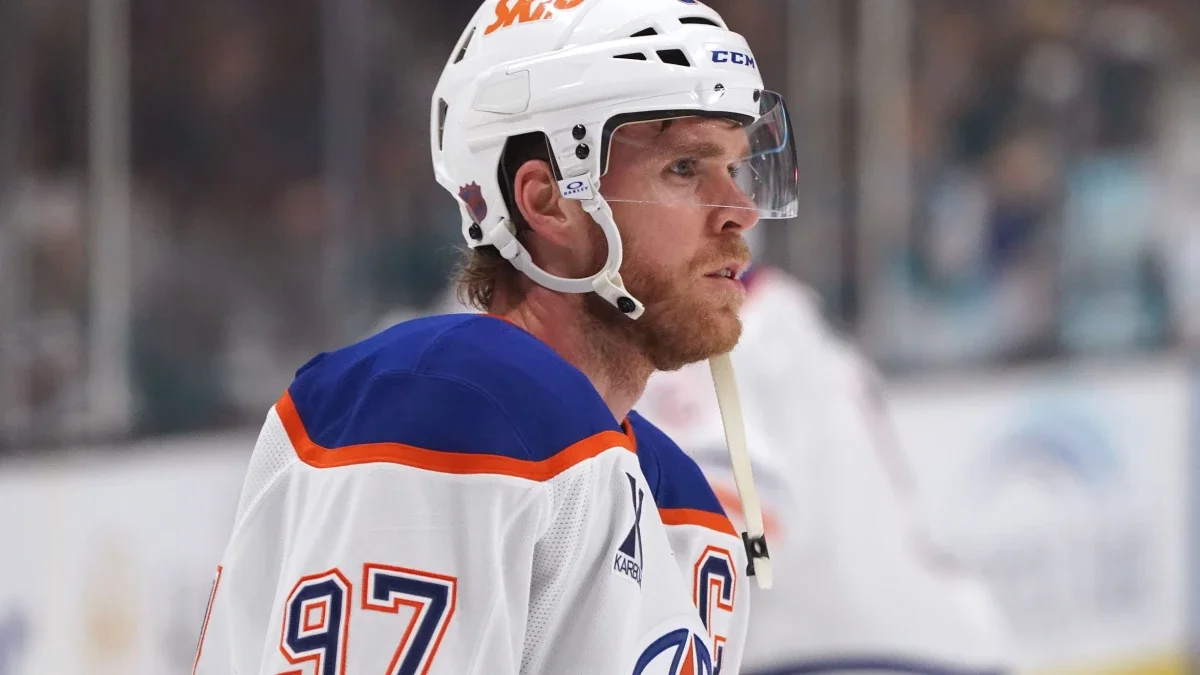
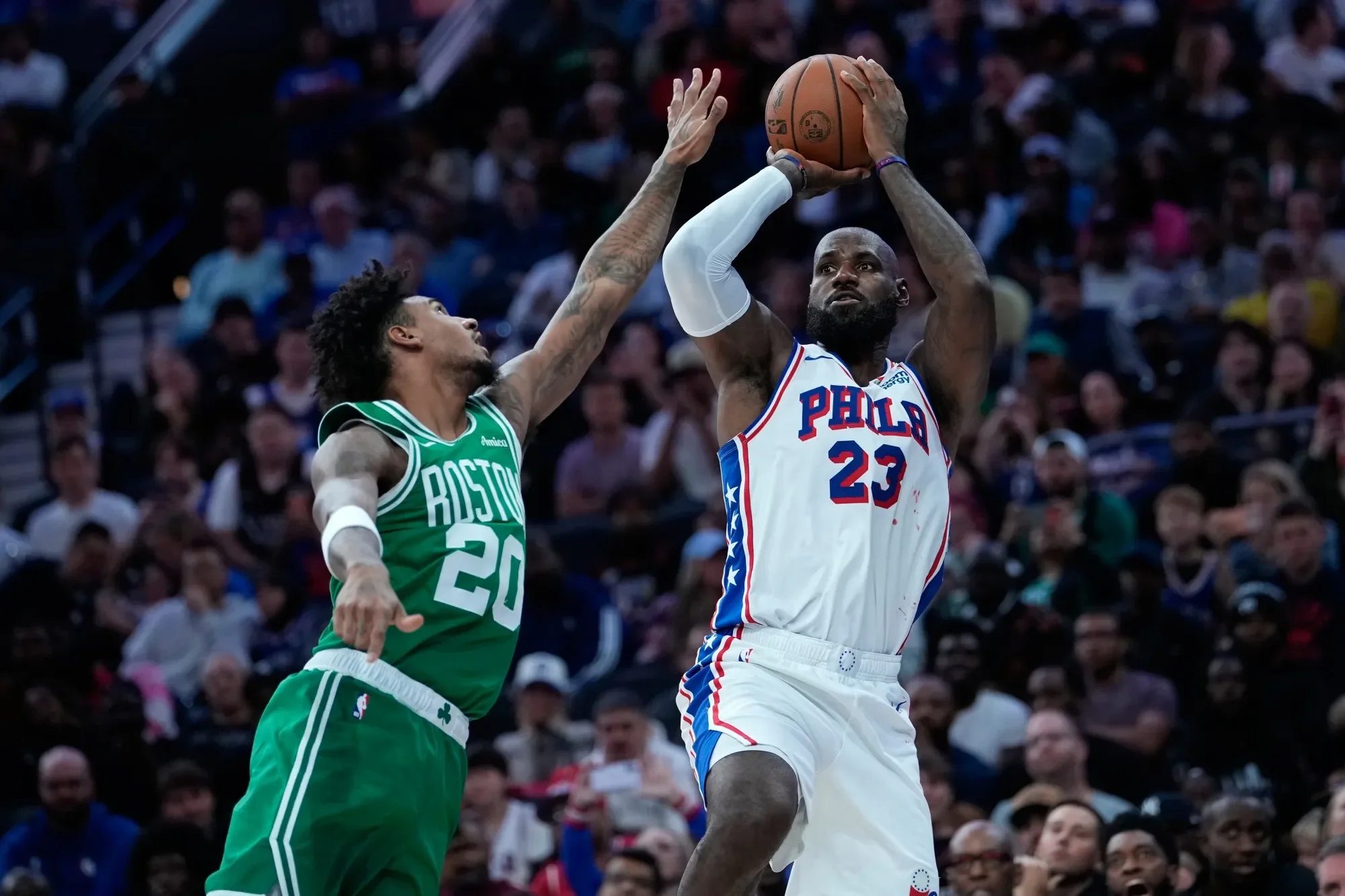
A New Season, a New Balance of Power: NBA Returns With Three Major Opening Night Showdowns
The 2026-27 NBA season tips off Tuesday with three matchups featuring the defending champions, some of basketball’s biggest offseason acquisitions and a rematch of last season’s unforgettable Western Conference Finals.
After an offseason defined by blockbuster trades, unexpected free-agent decisions and a changing balance of power across both conferences, the NBA returns Tuesday, October 20, with one of its most intriguing opening-night schedules in recent memory.
The defending champion New York Knicks will raise their first championship banner in more than half a century before welcoming LeBron James and the dramatically reconstructed Philadelphia 76ers to Madison Square Garden. Earlier in the afternoon, the Boston Celtics and Detroit Pistons will renew their Eastern Conference rivalry, while the Oklahoma City Thunder and San Antonio Spurs close the evening with a rematch of their seven-game Western Conference Finals.
All three games will be televised nationally on NBC and Peacock, beginning at 3 p.m. ET.
The opening-night tripleheader features the league’s reigning Most Valuable Player, Defensive Player of the Year, Finals MVP and several of the biggest names who changed teams during the summer.
But beyond the individual stars, Tuesday represents the beginning of a season in which the NBA’s championship picture looks considerably different from the one that existed just twelve months ago. (NBA) (NBC Sports)
Philadelphia 76ers vs. New York Knicks — 7:00 PM ET
Knicks Raise Championship Banner as LeBron James Begins New Chapter in Philadelphia
For the first time since 1973, the New York Knicks will begin an NBA season as defending champions.
Madison Square Garden will host a championship celebration more than five decades in the making Tuesday evening, with New York officially commemorating its 2025-26 NBA title before beginning its pursuit of another.
The Knicks captured their third championship in franchise history last June, defeating the San Antonio Spurs in five games and ending one of basketball’s longest championship droughts.
Jalen Brunson, who earned NBA Finals MVP honors, was the centerpiece of a New York team that finally delivered on the championship expectations surrounding the franchise.
Alongside Karl-Anthony Towns, Mikal Bridges, OG Anunoby and Josh Hart, Brunson helped establish a balanced roster capable of competing with the league’s most talented teams.
Now, the challenge becomes considerably different.
New York enters the season no longer chasing the rest of the NBA, but defending its position at the top. With its championship core largely intact, the Knicks have the continuity necessary to pursue consecutive titles, something no NBA franchise has accomplished since the Golden State Warriors in 2017 and 2018.
However, their first opponent might represent the greatest challenge to that ambition.
The Philadelphia 76ers arrive in New York with an entirely different identity following one of the most dramatic offseasons in recent NBA history.
LeBron James, entering his unprecedented 24th NBA season, signed with Philadelphia after departing the Los Angeles Lakers. At 41 years old, James is pursuing his fifth NBA championship and an opportunity to win a title with a fourth different franchise.
His arrival alone would have transformed Philadelphia’s championship outlook.
But the 76ers were far from finished.
Philadelphia also acquired Jaylen Brown from the Boston Celtics, adding the 2024 NBA Finals MVP to a roster already featuring Joel Embiid, Tyrese Maxey and rising young guard VJ Edgecombe.
The result is a collection of offensive talent that immediately places Philadelphia among the most fascinating teams in basketball.
James remains one of the game’s most accomplished playmakers, capable of controlling the pace and direction of an offense. Brown provides another powerful scoring option on the perimeter, while Maxey’s speed and shot creation give Philadelphia a dynamic offensive threat.
Embiid, when healthy, remains one of the NBA’s most difficult individual matchups.
Yet assembling a roster of accomplished players does not automatically guarantee championship success.
Philadelphia must determine how to distribute offensive responsibilities among several players accustomed to controlling the basketball. James has spent much of his career operating as his team’s primary decision-maker, while Embiid has traditionally been the centerpiece of Philadelphia’s half-court offense.
Maxey and Brown will also require significant offensive opportunities.
Finding the right balance could determine whether Philadelphia becomes a legitimate championship contender or another talented team unable to meet enormous expectations.
For New York, Tuesday’s matchup presents an immediate opportunity to demonstrate that last season’s championship was the beginning of something larger rather than the culmination of a single remarkable run.
Brunson and the Knicks will be tested by a Philadelphia team with the talent to challenge their position atop the Eastern Conference.
There is also the history between the two franchises.
New York and Philadelphia have spent decades competing as Atlantic Division rivals, with their geographical proximity and postseason encounters contributing to a rivalry that has endured across multiple generations.
Now, with a championship banner hanging above Madison Square Garden and LeBron James wearing a 76ers uniform, the rivalry enters another chapter.
The evening will begin as a celebration of New York’s past accomplishments.
Once the ball is tipped, however, the focus will turn to which team is better equipped to shape the future of the Eastern Conference. (Reuters) (NBA)
Boston Celtics vs. Detroit Pistons — 3:00 PM ET
Eastern Conference Heavyweights Meet as Boston Looks to Reestablish Itself
Before the championship celebration in New York, the NBA season will officially begin in Detroit, where two of last season’s strongest Eastern Conference teams meet in a matchup carrying significant implications for both franchises.
The Detroit Pistons enter the season attempting to build on a remarkable 2025-26 campaign that saw the organization finish with a conference-best 60-22 record.
It was a significant achievement for a franchise that had spent much of the previous decade rebuilding, struggling through disappointing seasons and searching for a sustainable foundation.
Led by Cade Cunningham, Detroit emerged as one of the NBA’s most consistent regular-season teams.
Cunningham continued his development into one of the league’s premier guards, combining scoring, playmaking and leadership while helping transform the Pistons into a legitimate Eastern Conference contender.
His partnership with center Jalen Duren provided Detroit with a strong offensive foundation, while Ausar Thompson emerged as an important defensive presence.
However, Detroit’s season ultimately ended in disappointment.
Despite entering the playoffs with the Eastern Conference’s best record, the Pistons were eliminated by the Cleveland Cavaliers in the conference semifinals.
The early postseason exit exposed the difference between regular-season success and the experience required to navigate a championship run.
Detroit now faces the challenge of proving its breakthrough was sustainable.
The Pistons underwent several roster changes during the offseason, losing Tobias Harris to San Antonio and trading Isaiah Stewart to Memphis.
In their place, Detroit added veteran forward John Collins and sharpshooter Isaiah Joe, two players who could provide valuable offensive contributions.
Collins offers athleticism and scoring versatility in the frontcourt, while Joe’s perimeter shooting could help create additional space for Cunningham to operate.
Across the floor, Boston enters the season with championship aspirations of its own.
The Celtics finished last season 56-26, second in the Eastern Conference, but also failed to reach the conference finals.
For an organization that captured the NBA championship in 2024, anything short of serious postseason contention represents a disappointing result.
Boston’s offseason was highlighted by the departure of Jaylen Brown, who was traded to Philadelphia after spending his first ten NBA seasons with the Celtics.
Brown’s exit represents a significant shift in Boston’s roster construction.
The Celtics must now adjust to life without one of the central figures of their recent championship success, placing additional responsibility on Jayson Tatum.
Tatum enters the season healthy following the Achilles injury he suffered during the 2025 postseason, giving Boston its franchise centerpiece back at full strength.
The Celtics also feature Derrick White, Paul George and Mitchell Robinson, providing a combination of perimeter scoring, defensive ability and interior presence.
Boston finished the preseason undefeated at 4-0, an encouraging sign as the organization prepares to begin another campaign with significant expectations.
The opening matchup against Detroit offers an early examination of how Boston’s reconstructed roster compares with one of the Eastern Conference’s emerging powers.
Last season, the Pistons won three of their four regular-season meetings against the Celtics.
For Detroit, another victory would reinforce its position among the conference’s elite.
For Boston, defeating the team that finished ahead of it in last season’s standings would represent an important early statement.
Neither team reached the Eastern Conference Finals last spring, despite combining for 116 regular-season victories.
That disappointment will follow both organizations into Tuesday afternoon.
And with New York defending a championship and Philadelphia assembling a roster loaded with star power, the margin for error in the Eastern Conference could be smaller than ever. (NBA) (CelticsBlog)
Oklahoma City Thunder vs. San Antonio Spurs — 9:30 PM ET
Thunder Seek Revenge Following Seven-Game Western Conference Finals Defeat
The final matchup of opening night might offer the clearest preview of what awaits the Western Conference over the next several seasons.
The Oklahoma City Thunder and San Antonio Spurs will renew their growing rivalry Tuesday night, just months after meeting in one of the most competitive playoff series of the 2026 postseason.
Last spring, San Antonio defeated Oklahoma City in seven games in the Western Conference Finals, advancing to the NBA Finals for the first time since 2014.
The series represented a significant turning point for the Spurs, who had spent years rebuilding around the extraordinary talent of Victor Wembanyama.
After finishing the regular season with 62 victories, San Antonio entered the postseason with expectations considerably higher than in previous years.
Those expectations were validated when the Spurs overcame an Oklahoma City team that had captured the NBA championship just one season earlier.
San Antonio’s victory also established Wembanyama as one of basketball’s most influential players.
The 7-foot-4 French superstar has rapidly developed into an unprecedented two-way presence, combining elite rim protection with offensive versatility rarely seen from a player of his size.
Last season, Wembanyama averaged 25 points, 11.5 rebounds and 3.1 blocks per game, earning Defensive Player of the Year honors and further establishing himself among the league’s premier talents.
His ability to impact nearly every possession creates matchup problems that few teams possess the personnel to solve.
Oklahoma City knows that better than most.
The Thunder entered last season looking to defend their 2025 NBA championship, led by reigning MVP Shai Gilgeous-Alexander and a young core that appeared capable of competing for titles well into the future.
Gilgeous-Alexander continued his remarkable individual success, earning a second consecutive MVP award after averaging 32.7 points per game.
His ability to attack defenders, control the midrange and generate efficient scoring opportunities remained central to Oklahoma City’s offense.
Alongside him, Jalen Williams and Chet Holmgren helped form one of the league’s most formidable young combinations.
Yet San Antonio repeatedly found ways to challenge the Thunder.
Across their regular-season meetings, NBA Cup matchup and postseason series, the Spurs defeated Oklahoma City eight times in twelve games during the 2025-26 campaign.
That success demonstrated San Antonio’s ability to match up with a team that had dominated much of the Western Conference over the previous two seasons.
The Spurs’ combination of size, defensive versatility and offensive creation presented significant challenges for Oklahoma City.
Wembanyama’s presence around the basket complicated the Thunder’s ability to generate easy opportunities inside, while San Antonio’s emerging backcourt provided additional scoring and playmaking.
De’Aaron Fox, Stephon Castle and Dylan Harper give the Spurs a collection of guards capable of creating offense in different ways.
Castle, in particular, has become an important part of San Antonio’s long-term development, providing physical defense and improving offensive production.
Harper adds another young playmaker to a roster that already features one of basketball’s most promising foundations.
For Oklahoma City, the objective is straightforward: return to the NBA Finals and reclaim the championship it won in 2025.
The Thunder have retained their most important core players, ensuring the continuity that helped establish the franchise as a perennial contender.
Gilgeous-Alexander remains in the prime of his career, while Holmgren and Williams continue developing into more complete players.
But the Western Conference has become increasingly difficult to navigate.
San Antonio has already demonstrated its ability to defeat Oklahoma City in a seven-game series, while Denver, Houston and several other contenders remain capable of challenging the conference’s established powers.
Tuesday’s matchup will not determine the eventual Western Conference champion.
It will, however, provide an early indication of how the Thunder have responded to their postseason elimination and whether the Spurs can continue building on last season’s breakthrough.
There is also a larger question surrounding Wembanyama.
After earning Defensive Player of the Year honors and leading San Antonio to the NBA Finals, the 22-year-old enters the season with a legitimate opportunity to challenge Gilgeous-Alexander for the league’s MVP award.
The matchup places two of basketball’s most influential players on opposite sides of the floor, each representing a franchise with realistic championship ambitions.
For San Antonio, Tuesday is an opportunity to reinforce its growing dominance in the matchup.
For Oklahoma City, it represents the first chance to respond to the team that ended its championship defense.
If last season’s Western Conference Finals offered any indication, this rivalry could become one of the defining storylines of the NBA’s next decade. (NBA) (San Antonio Express-News)
A New Balance of Power Across the NBA
Beyond Tuesday’s three opening matchups, the 2026-27 season arrives with a dramatically altered competitive landscape.
The Knicks enter as defending champions, but Philadelphia’s aggressive offseason has reshaped the Eastern Conference championship picture.
Boston remains a contender despite losing Brown, while Detroit hopes to convert last season’s regular-season dominance into a deeper postseason run.
The Cleveland Cavaliers, who eliminated Detroit last spring, will also enter the season with ambitions of returning to the top of the conference.
Meanwhile, the Western Conference features an emerging rivalry between San Antonio and Oklahoma City, two franchises built around young superstars who could dominate the NBA for years.
The league’s balance has also been affected by several other significant offseason moves.
Giannis Antetokounmpo begins a new chapter with the Miami Heat, while LaMelo Ball joins the Minnesota Timberwolves.
Those moves have the potential to alter the playoff picture in both conferences, adding further uncertainty to a league that has experienced remarkable championship turnover.
The NBA has crowned eight different champions over the past eight seasons, a reflection of how difficult it has become for even the league’s strongest organizations to establish prolonged dominance.
New York now has the opportunity to end that trend.
Philadelphia hopes its collection of stars can deliver the franchise’s first championship since 1983.
Boston wants to prove it can remain among the league’s elite without Brown.
Detroit is searching for postseason success that matches its regular-season achievements.
Oklahoma City is determined to return to the championship stage.
And San Antonio believes its young core is capable of taking the final step after coming within reach of the franchise’s sixth title.
Each team begins the season with different expectations, but all six opening-night participants share a realistic ambition of competing deep into the postseason. (Reuters) (NBA)
Opening Night Could Offer an Early Look at the NBA’s Next Champion
There is a tendency to place too much importance on the opening games of an NBA season.
An 82-game schedule leaves plenty of time for teams to develop chemistry, recover from injuries and adjust to the challenges that emerge throughout the year.
Championships are not won in October.
But opening night can reveal the early direction of a season.
For the Knicks, Tuesday will be a celebration of a championship that generations of New York basketball fans waited to witness.
For Philadelphia, it marks the beginning of perhaps the most ambitious experiment in franchise history, with LeBron James joining an already talented roster in pursuit of another championship.
For Boston and Detroit, the afternoon provides an immediate test between two organizations attempting to overcome disappointing postseason exits.
And in San Antonio, the Thunder and Spurs will resume a rivalry that has quickly developed into one of the Western Conference’s most compelling matchups.
Three games. Six teams. A collection of former champions, established superstars and emerging talents.
The NBA’s 80th season begins Tuesday with no shortage of expectations, uncertainty or championship ambition.
By the time the final buzzer sounds in San Antonio, the league will have taken its first steps toward another postseason.
And if the past several seasons have demonstrated anything, the road to the NBA Finals is rarely as predictable as it appears on opening night.
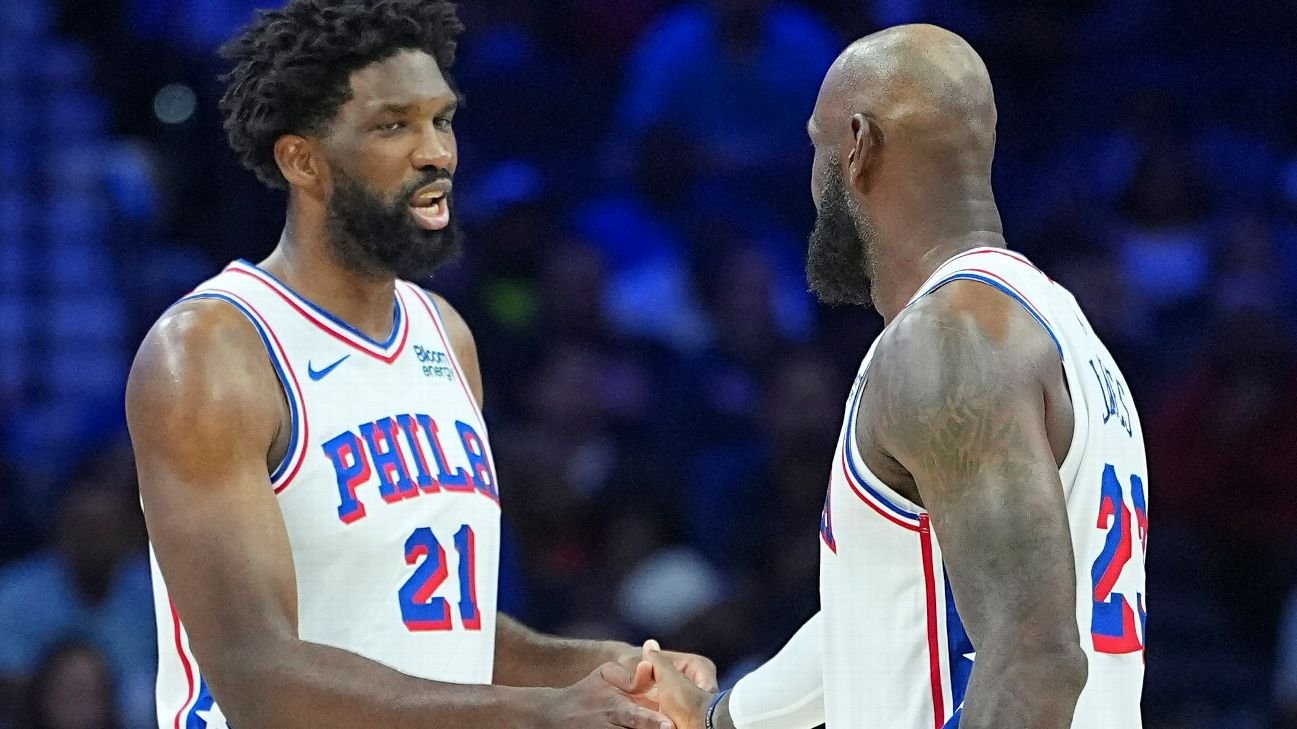
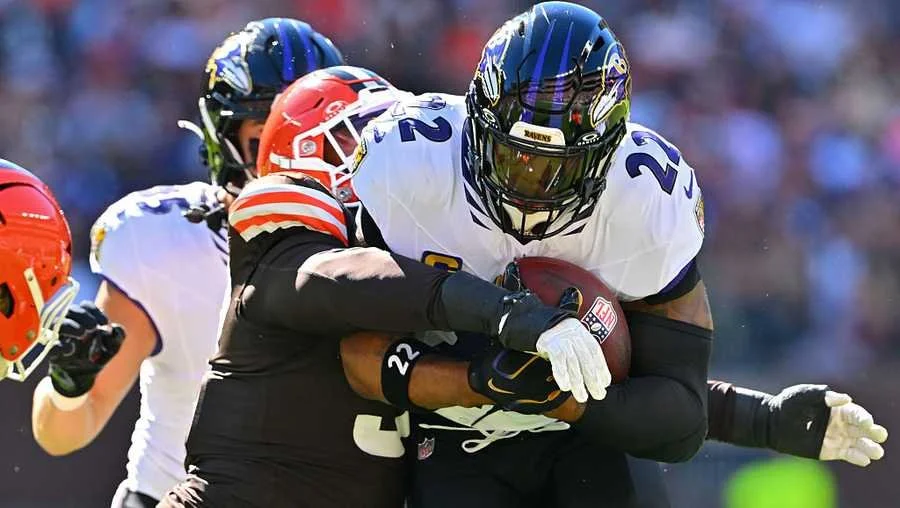
Browns Take Control of AFC North With Last-Second Victory Over Ravens, Sit Atop Division for First Time Since 2014
CLEVELAND, Ohio — For the first time in more than a decade, the Cleveland Browns find themselves sitting atop the AFC North six weeks into an NFL season.
Cleveland completed another improbable fourth-quarter comeback Sunday afternoon, defeating the Baltimore Ravens 13-10 at Huntington Bank Field on a 37-yard field goal by Andre Szmyt as time expired. The victory improved the Browns to 4-2, placing them in a three-way tie with Baltimore and Pittsburgh atop the division while holding the early divisional tiebreaker advantage.
It marks the first time since 2014 that Cleveland has held first place in the AFC North this late into a season, an accomplishment few would have anticipated entering the 2026 campaign. After years of disappointing finishes, coaching changes and uncertainty surrounding the franchise, the Browns suddenly find themselves in an unfamiliar position: playing meaningful football from the top of the standings rather than chasing the rest of the division. (CBS Sports)
A Comeback That Looked Unlikely for Much of the Afternoon
For the first 30 minutes, there was little indication that Cleveland would leave Sunday afternoon with a victory.
Baltimore, playing without injured starting quarterback Lamar Jackson, opened the game with consecutive scoring possessions behind backup Tyler Huntley. The Ravens marched 66 yards on their opening drive, finishing with a two-yard touchdown pass from Huntley to tight end Josh Cuevas.
A 34-yard field goal from Tyler Loop extended Baltimore’s advantage to 10-0 before the end of the opening quarter.
Meanwhile, Cleveland’s offense struggled to establish any consistency. Quarterback Deshaun Watson faced constant pressure, and the Browns managed just 46 total yards and three first downs throughout the opening half.
The offense failed to score on any of its five first-half possessions, leaving Cleveland’s defense responsible for keeping the game within reach.
Despite Baltimore’s early success, the Ravens would not score another point for the remainder of the afternoon.
Cleveland finally broke through midway through the third quarter when Szmyt connected on a 48-yard field goal, cutting Baltimore’s advantage to 10-3.
The defining moment came early in the fourth quarter when Browns linebacker Carson Schwesinger forced a fumble from Ravens running back Derrick Henry. Cornerback Tyson Campbell recovered the football at Baltimore’s 35-yard line, giving Cleveland its best opportunity of the afternoon.
Seven plays later, newly acquired running back Audric Estimé powered into the end zone from two yards out, tying the game at 10-10 with 8:33 remaining.
Estimé’s touchdown carried additional significance considering he had joined Cleveland just days earlier after being signed from Minnesota’s practice squad.
Suddenly, a game Baltimore had controlled for much of the afternoon was even. (Cleveland Browns)
Another Fourth-Quarter Comeback, Another Game-Winning Kick
Cleveland had an opportunity to take the lead late in the fourth quarter, but Szmyt missed a 48-yard field goal attempt, ending a streak of 25 consecutive successful kicks dating back to last season.
Rather than allowing the missed opportunity to determine the outcome, Cleveland’s defense delivered another stop and gave Watson one final possession.
With the score tied at 10-10 and time running out, Watson connected with wide receiver Jerry Jeudy for a critical 33-yard completion on third-and-five, moving the Browns deep into Baltimore territory.
The completion helped set up Szmyt for another opportunity to decide the game.
After an initial kick was blocked on a play wiped out by an offsides penalty against Baltimore, Szmyt received another chance. This time, he converted from 37 yards as the clock expired, sending Cleveland’s sideline onto the field in celebration.
Watson finished the afternoon completing 16 of 26 passes for 164 yards, while Jeudy led Cleveland’s receiving corps with four receptions for 69 yards.
For the fourth time in six games, the Browns had orchestrated a fourth-quarter game-winning drive.
It was hardly an offensive masterpiece, but Cleveland had once again found a way to win. (NBC Sports)
First Place for the First Time This Late Since 2014
Perhaps the most significant storyline from Sunday’s victory has little to do with the final score.
For the first time in 12 years, the Cleveland Browns are leading the AFC North after six weeks of football.
The last time Cleveland occupied first place this deep into a season was 2014, when the Browns, coached by Mike Pettine, briefly emerged as one of the NFL’s most surprising teams.
That season, Cleveland started 6-3 and moved into first place following a convincing 24-3 Thursday night victory over the Cincinnati Bengals in Week 10.
However, the optimism proved short-lived. The Browns lost six of their final seven games, finishing 7-9 and missing the postseason.
The collapse became another chapter in Cleveland’s long history of promising starts that ultimately failed to produce meaningful postseason success.
Twelve years later, the Browns have another opportunity to change that narrative.
Under first-year head coach Todd Monken, Cleveland has developed a reputation for winning close games, relying heavily on its defense and making critical plays when the outcome hangs in the balance.
The Browns’ 4-2 record is particularly impressive considering all four victories have featured game-winning drives in the fourth quarter.
Still, the AFC North remains extremely competitive.
Baltimore and Pittsburgh also sit at 4-2, meaning Cleveland’s position is far from secure. However, victories over both division rivals give the Browns an important advantage in the early tiebreaker picture. (NFL.com)
Cleveland’s Defense Continues to Define Its Identity
While Watson and Szmyt will receive much of the attention for Sunday’s comeback, Cleveland’s defense deserves considerable credit for making the victory possible.
After allowing Baltimore to score on its first two possessions, the Browns held the Ravens scoreless for the final three quarters.
Schwesinger delivered one of the most important performances of the afternoon, recording 13 tackles and forcing the fourth-quarter fumble that completely shifted the momentum.
Cleveland also limited Henry to just 58 rushing yards on 17 carries, preventing Baltimore from controlling the game through its rushing attack.
The defense has become the foundation of Monken’s team, consistently providing opportunities for an offense that has struggled to produce sustained drives.
That formula has worked through six games, although the Browns will eventually need more consistent offensive production if they hope to remain competitive against the AFC’s strongest teams.
Cleveland has demonstrated an ability to survive close games. The next challenge will be proving it can control them. (Cleveland Browns)
Can the Browns Turn an Unexpected Start Into Something Bigger?
The Browns will travel to Tennessee next Sunday for a Week 7 matchup against the Titans before returning to divisional competition against Pittsburgh on November 1.
Those games will provide another opportunity to determine whether Cleveland’s surprising start represents a genuine turning point or simply an early-season surge.
There are still legitimate questions surrounding the offense, particularly its ability to generate points without relying on late-game heroics.
Yet there is something different about a team that repeatedly finds ways to win games it appears destined to lose.
Six weeks into the 2026 NFL season, the Browns have already matched a historical milestone that has eluded the franchise for more than a decade.
For a fan base accustomed to looking up at Baltimore and Pittsburgh in the AFC North standings, seeing Cleveland at the top represents a welcome change.
The Browns have not won a division championship since 1989, when they competed in the old AFC Central. Their most recent playoff appearance came during the 2023 season.
There is still a long way to go before either of those milestones can be seriously discussed.
But after Sunday’s comeback against Baltimore, Cleveland has given its fans something they have rarely experienced over the past decade: a reason to look at the AFC North standings in October and see their team in first place.
And for now, that is a meaningful accomplishment in itself.
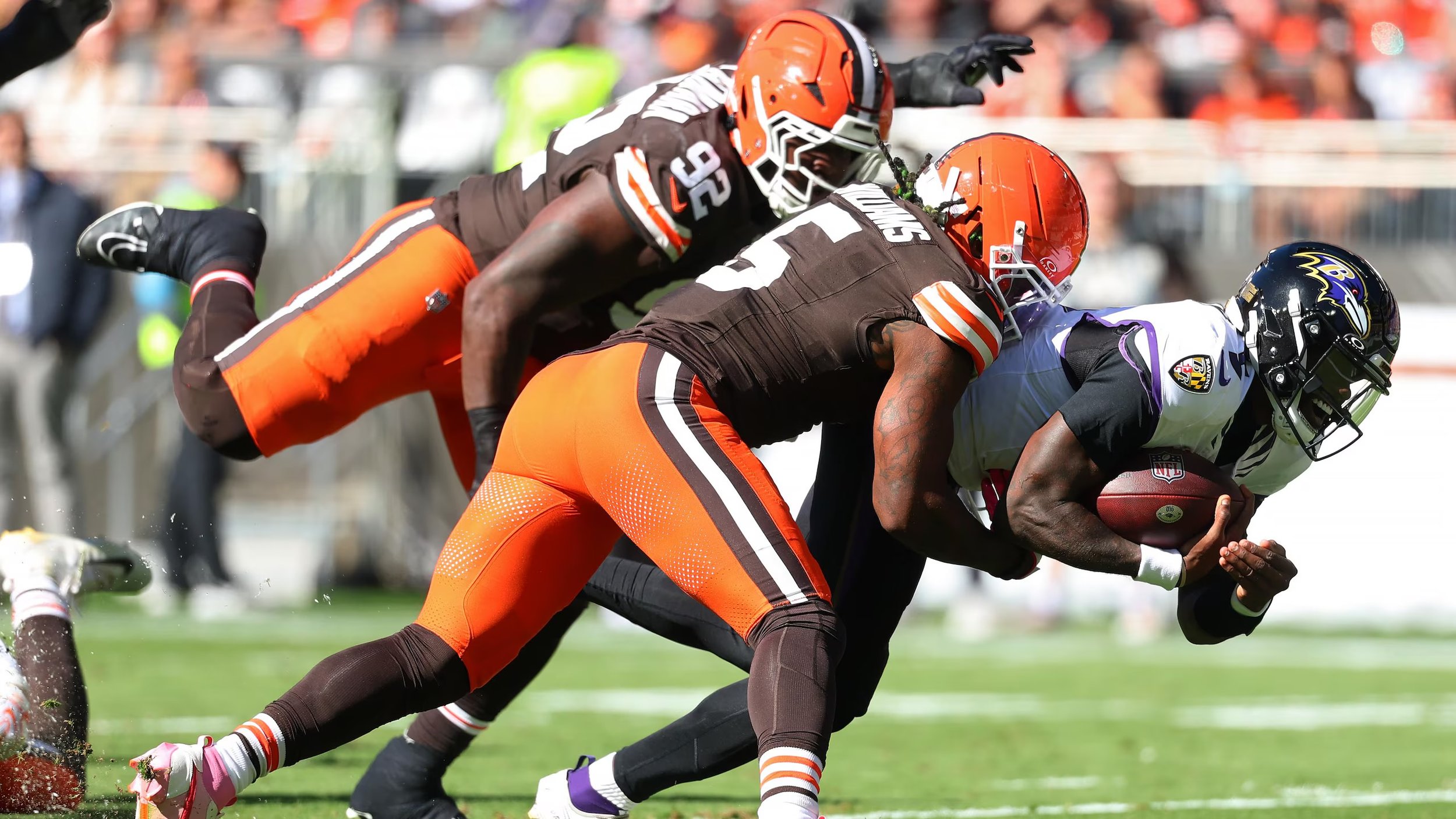
Rays Move One Win Away From World Series, Guardians 3-0 in Elimination Games This Postseason
The Tampa Bay Rays moved within one victory of reaching the World Series on Sunday night, defeating the Cleveland Guardians 3-1 in Game 5 of the American League Championship Series at Progressive Field. After entering the night with the series tied at two games apiece, Tampa Bay regained control of the ALCS and put Cleveland on the brink of elimination.
Rays starting pitcher Drew Rasmussen delivered one of his strongest performances of the postseason, holding Cleveland to just one run on four hits across seven innings while recording six strikeouts. Rasmussen’s ability to limit hard contact and work efficiently through the Guardians’ lineup proved critical in a game where runs were difficult to manufacture.
Tampa Bay wasted little time establishing an advantage, scoring a run in each of the first three innings. Jonny DeLuca, Jonathan Aranda, and Liam Hicks each contributed RBIs as the Rays built an early 3-0 lead. Although the offense cooled off afterward, the early production provided more than enough support for Rasmussen and the Tampa Bay bullpen.
Cleveland struggled to establish any offensive momentum throughout the evening. The Guardians managed just five hits, with their lone run coming in the sixth inning when Steven Kwan crossed the plate. Rookie starter Parker Messick also endured a difficult outing, lasting only two innings before Cleveland turned to its bullpen.
The Guardians’ pitching staff managed to keep the deficit within reach for the remainder of the contest, but the offense was unable to capitalize. Tampa Bay reliever Bryan Baker eventually closed the door in the ninth inning, recording his fifth save of the postseason and securing a pivotal Game 5 victory.
The loss leaves Cleveland facing elimination for the second time this postseason. After overcoming a 2-0 series deficit against the Chicago White Sox in the American League Division Series, the Guardians will once again need to demonstrate their resilience if they hope to keep their World Series aspirations alive.
Game 6 Preview: Guardians Face Elimination as Series Returns to Tampa Bay
The American League Championship Series shifts back to Tropicana Field on Monday night for Game 6, where the Rays will have an opportunity to clinch their first American League pennant since 2020.
Tampa Bay enters the contest with a 3-2 series advantage and the benefit of returning home after winning two of the three games in Cleveland. The Rays have relied on timely hitting, effective starting pitching, and strong bullpen performances throughout the series, a combination that has placed them just nine innings away from the World Series.
Freddy Peralta is expected to take the mound for Tampa Bay, while Cleveland is projected to turn to Shawn Armstrong and potentially a bullpen-heavy approach. With their season on the line, the Guardians will need contributions from multiple pitchers to contain a Rays lineup that has consistently found ways to manufacture runs.
For Cleveland, the biggest concern remains its offense. The Guardians have scored just four combined runs over their previous two games, struggling to generate sustained rallies and capitalize on scoring opportunities. Finding ways to put runners on base early and applying pressure to Tampa Bay’s pitching staff will be essential if Cleveland hopes to extend the series.
The Guardians have already proven capable of overcoming difficult circumstances this October. Their comeback against Chicago in the ALDS demonstrated the team’s ability to respond when facing elimination, but repeating that success against Tampa Bay will require a more complete offensive performance.
A Cleveland victory Monday would force a decisive Game 7 on Tuesday night, potentially giving the Guardians an opportunity to turn to Gavin Williams with a trip to the World Series on the line.
For Tampa Bay, the objective is considerably simpler. One more victory would secure the franchise’s third American League pennant and its first World Series appearance in six years.
With Cleveland fighting to extend its season and Tampa Bay looking to finish the job in front of its home crowd, Game 6 presents another significant chapter in what has become a closely contested American League Championship Series.
Game 6: Monday, October 19 | 8:00 p.m. ET | Tropicana Field | TBS
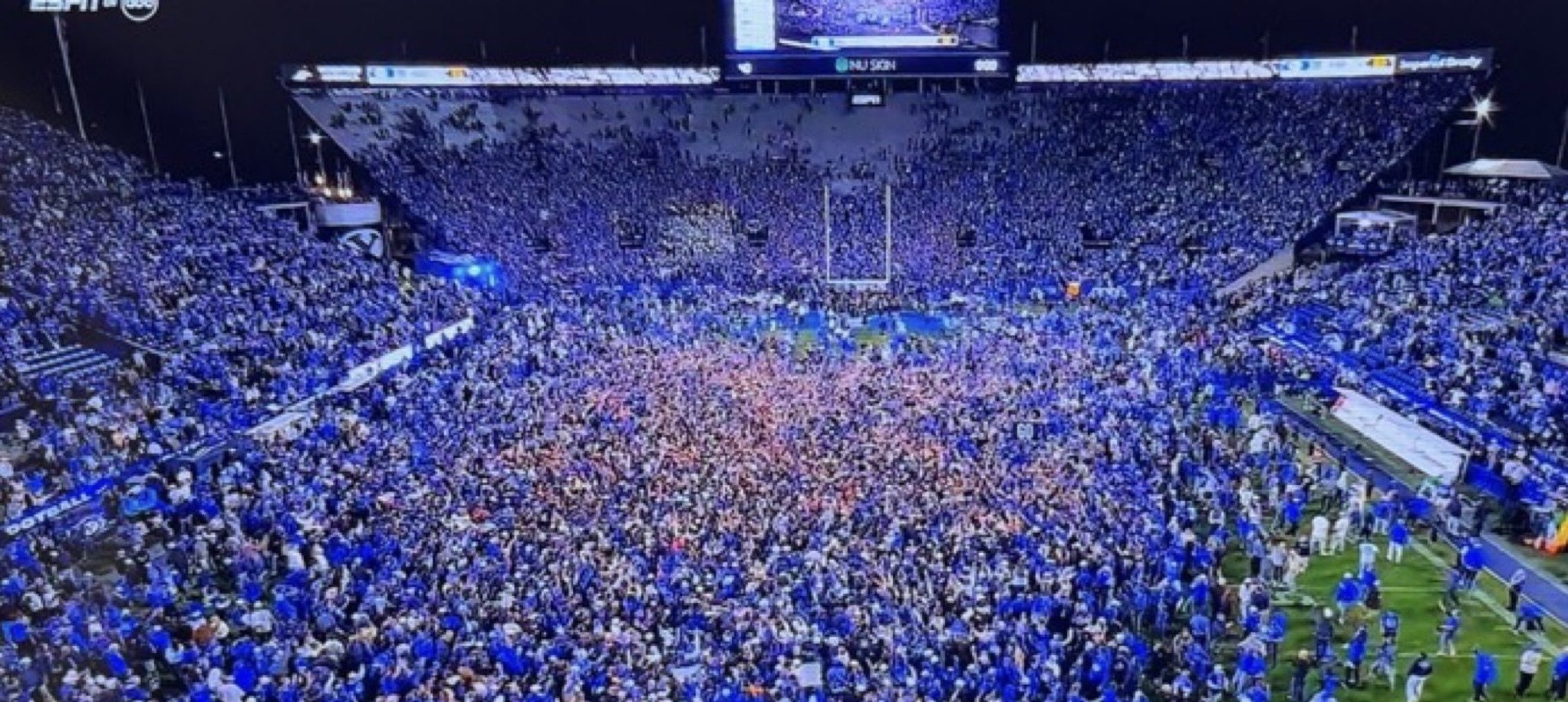
Five Top-10 Teams, Five Losses: College Football Sees a Saturday Unlike Any in Decades
College football delivered one of its most unpredictable Saturdays in nearly four decades, as five of the nation’s top eight teams suffered defeats in a remarkable series of upsets that could dramatically reshape the national championship picture.
No. 1 Georgia, No. 2 Notre Dame, No. 5 Indiana, No. 6 Alabama and No. 7 Texas all went down on a Saturday that exposed just how little separation exists between college football’s established powers and the programs chasing them.
According to historical data cited by the Associated Press, it marked the first time since January 2, 1989, that five of the top eight teams in the AP Poll lost on the same day. It was also the first time since 2012 that the nation’s top two teams both lost during the same regular-season Saturday.
The damage extended beyond the rankings. Georgia’s remarkable streak against unranked opponents came to an end, Indiana’s nearly two-year winning streak disappeared, and Alabama and Texas suffered losses that raised significant questions about their postseason outlooks.
Meanwhile, Miami survived a controversial double-overtime battle against Florida State, and Michigan made a potentially consequential quarterback change by benching former five-star recruit Bryce Underwood.
By the end of the night, what began as another important weekend of conference football had become one of the defining Saturdays of the 2026 season.
No. 1 Georgia Falls to Auburn, Ending Remarkable Winning Streak
Auburn 27, No. 1 Georgia 24
The biggest upset of the weekend came in one of college football’s oldest rivalries, as unranked Auburn traveled to Athens and defeated top-ranked Georgia 27-24.
Georgia entered the matchup as a 20.5-point favorite, carrying a 53-game winning streak against unranked opponents. The Bulldogs had also emerged as the SEC’s last remaining unbeaten team, putting themselves in position to control their path toward another conference championship.
Auburn had other plans.
The Tigers capitalized on mistakes from Georgia quarterback Gunner Stockton, who threw two interceptions before losing a crucial fumble in the final minute. Those turnovers proved costly in a game where Georgia never established the level of control expected from the nation’s top-ranked team.
The result was particularly significant given the circumstances surrounding the matchup. Georgia was playing at home, against an unranked opponent, with an opportunity to further strengthen its position atop the national rankings.
Instead, Auburn delivered one of the program’s most important victories in recent years.
The defeat dropped Georgia to 6-1 overall and 4-1 in SEC play, while Auburn improved to 4-2 and 2-2 in conference competition.
For Georgia, the loss does not eliminate its national championship aspirations, but it changes the conversation surrounding the Bulldogs. A team that entered Saturday looking like one of the country’s most reliable championship contenders now faces additional pressure in an increasingly unpredictable SEC race.
For Auburn, the victory demonstrated the value of rivalry games in a sport where rankings and point spreads cannot always account for emotion, familiarity and execution.
Georgia had won 53 consecutive games against unranked opponents. On Saturday, that streak ended at the hands of one of its oldest rivals.
Indiana’s 22-Game Winning Streak Ends Against Ohio State
No. 4 Ohio State 19, No. 5 Indiana 15
One of the weekend’s most anticipated matchups lived up to its billing, as Ohio State escaped Bloomington with a 19-15 victory over defending national champion Indiana.
The game carried significant historical weight.
Indiana entered Saturday riding a 22-game winning streak, having not lost since its defeat against Notre Dame in the 2024 College Football Playoff. The Hoosiers had transformed themselves into one of the country’s premier programs under Curt Cignetti, culminating in a national championship the previous season.
Ohio State, however, arrived determined to reestablish its position in the Big Ten championship race.
For much of the afternoon, the matchup was defined by defensive pressure, turnovers and missed opportunities.
Indiana’s offense struggled to maintain consistency against an aggressive Ohio State defense. The Hoosiers committed two costly fumbles in the second half, ending a streak of 1,437 consecutive offensive plays without losing a fumble.
The Buckeyes took advantage of those mistakes, but the game’s defining offensive moment came from one of college football’s most recognizable stars.
With Ohio State facing fourth-and-1 from the Indiana 38-yard line early in the fourth quarter, quarterback Julian Sayin connected with Jeremiah Smith for a spectacular 38-yard touchdown.
Smith elevated over two defenders to secure the reception, extending Ohio State’s lead to 19-7.
The touchdown was Smith’s 39th career receiving score, tying former Michigan standout Braylon Edwards for the Big Ten’s all-time record. Remarkably, Smith reached the mark in nine fewer games than Edwards.
Indiana refused to disappear.
Quarterback Josh Hoover connected with Nick Marsh for a 19-yard touchdown, and a successful two-point conversion brought the Hoosiers within four points.
Indiana eventually received an opportunity to complete the comeback.
Facing fourth-and-4 at the Ohio State 27-yard line in the final minute, Hoover delivered a pass to Marsh in the end zone. Marsh made the catch, but stepped out of bounds, nullifying what could have been the winning touchdown.
Ohio State took possession and ran out the remaining clock.
The victory came with a significant concern for the Buckeyes. Sayin suffered a right shoulder injury during the fourth quarter and returned to the sideline with his throwing arm in a sling. Ohio State head coach Ryan Day indicated that the quarterback would miss several weeks.
The Buckeyes improved to 6-1 overall and remained unbeaten in Big Ten play at 4-0. Indiana fell to 6-1, suffering its first defeat in nearly 23 months.
For Ohio State, the victory represented an important step toward reclaiming control of the conference. For Indiana, it was a painful reminder that even championship-caliber teams can see their fortunes change on a handful of plays.
No. 2 Notre Dame Falls to BYU in Controversial Finish
No. 8 BYU 28, No. 2 Notre Dame 24
Notre Dame entered Saturday undefeated and ranked second nationally, but a trip to Provo ended with a 28-24 loss to BYU in one of the weekend’s most consequential games.
The Fighting Irish arrived at LaVell Edwards Stadium having won their first six games by double digits. BYU, meanwhile, entered undefeated at 5-0, looking for a victory that could establish the Cougars as legitimate national championship contenders.
BYU quarterback Bear Bachmeier made an immediate impact, opening the scoring with a five-yard rushing touchdown.
Notre Dame responded with a field goal and an eight-yard touchdown run from Nolan James Jr. to take a 10-7 lead early in the second quarter.
The Cougars then seized control.
A trick play featuring a touchdown pass from Kody Kasper to Bachmeier put BYU back in front, and Bachmeier added another rushing touchdown before halftime to give the Cougars a 21-10 advantage.
Notre Dame gradually worked its way back into the game.
Three points in the third quarter were followed by another field goal, trimming the deficit to 21-16. Early in the fourth, Jonaz Walton scored on a three-yard touchdown run and converted the ensuing two-point attempt, putting Notre Dame ahead 24-21.
The Irish appeared to have survived their most difficult test of the season.
But Bachmeier and the Cougars had one more response.
With 1:47 remaining, Bachmeier connected with wide receiver W. Lyons for a six-yard touchdown, reclaiming the lead at 28-24.
Notre Dame’s final possession ended amid controversy, with Irish supporters questioning a potential defensive pass interference penalty that was not called on the game’s final play.
The result sent BYU to 6-0 and handed Notre Dame its first defeat of the season.
For BYU, the victory represents a defining moment in its pursuit of a Big 12 championship and a College Football Playoff berth. The Cougars have now demonstrated that they can compete with one of the sport’s most talented programs.
Notre Dame, meanwhile, faces a different challenge. Without a conference championship game to strengthen its postseason résumé, the Fighting Irish must make the most of their remaining schedule.
The loss does not necessarily remove Notre Dame from playoff consideration, but it significantly reduces its margin for error.(Game recap)
Alabama’s Offense Falters as Tennessee Claims Another Rivalry Victory
No. 14 Tennessee 26, No. 6 Alabama 10
Alabama’s struggles continued Saturday afternoon as Tennessee delivered a convincing 26-10 victory at Neyland Stadium, handing the Crimson Tide their second consecutive loss.
The Volunteers controlled the matchup with a physical defensive performance, limiting Alabama to just 201 total yards while forcing four turnovers.
Tennessee’s offense was not particularly explosive during the opening half, but it consistently put itself in position to score.
Kicker Cooper Ranvier connected on four field goals before halftime, allowing the Volunteers to establish a 12-10 advantage despite failing to reach the end zone.
Alabama quarterback Keelon Russell provided the Crimson Tide’s only touchdown of the afternoon with a 19-yard scramble in the second quarter.
That would be Alabama’s final trip to the end zone.
Tennessee’s defense shut out the Crimson Tide throughout the second half, while running back DeSean Bishop delivered the offensive production needed to put the game away.
Bishop scored on a five-yard touchdown run in the third quarter, extending Tennessee’s lead to 19-10.
With just over three minutes remaining, he added another five-yard rushing touchdown to complete the scoring.
Tennessee finished with 347 total yards and held Alabama scoreless for the final 30 minutes.
The victory marked Tennessee’s third consecutive home win over Alabama in the historic Third Saturday in October rivalry.
For Alabama, the result raises serious concerns.
The Crimson Tide entered the season expecting to compete for both an SEC championship and a national title. Instead, they now sit at 5-2 overall and 3-2 in conference play.
The offensive struggles were especially concerning. Alabama failed to establish a consistent running game, struggled to sustain drives and repeatedly gave Tennessee additional opportunities through turnovers.
Tennessee, meanwhile, improved to 6-1 and 3-1 in the SEC, strengthening its position in the conference championship race.
In a league where seemingly every week presents another ranked opponent, the Volunteers demonstrated that defensive discipline and physicality remain capable of deciding even the biggest games.(Alabama Athletics)
Texas Suffers Second Straight Defeat as Florida Completes Comeback
Florida 27, No. 7 Texas 24
Just eight days removed from occupying the No. 1 ranking in college football, Texas suddenly finds itself facing an increasingly uncertain postseason outlook.
The Longhorns suffered their second consecutive defeat Saturday, falling 27-24 to unranked Florida in Austin.
Texas appeared positioned to control the matchup early, building a 17-3 advantage during the first half.
But Florida responded with 24 unanswered points, transforming what initially looked like another difficult afternoon for the Gators into one of their most impressive victories in recent years.
Freshman quarterback Tramell Jones Jr., making his first career start, completed an efficient performance with 155 passing yards and two touchdowns.
Running back Jadan Baugh provided balance on the ground, finishing with 91 rushing yards on 25 carries.
Baugh’s 11-yard touchdown run with 6:22 remaining gave Florida a 27-17 lead and completed the Gators’ remarkable scoring run.
Texas quarterback Arch Manning attempted to rally the Longhorns, connecting with Cam Coleman for a nine-yard touchdown that narrowed the deficit to three points.
The Longhorns eventually received another opportunity to tie or win the game.
But with under two minutes remaining, Florida linebacker Myles Graham sacked Manning and forced a fumble. Kanye Clark recovered the football, effectively ending Texas’ comeback hopes.
Manning finished 14-of-20 passing for 173 yards, but Texas managed only 272 yards of total offense.
Florida finished with 313.
The defeat dropped Texas to 4-2 overall and 1-2 in SEC play.
For a program that entered the season with national championship expectations, the past two weekends have exposed significant problems.
Texas’ offense has struggled to produce consistently, and the Longhorns have now lost consecutive games to unranked opponents.
Florida’s victory, meanwhile, represents another major accomplishment for first-year head coach Jon Sumrall.
The Gators improved to 5-2, with Sumrall now owning two victories over top-10 opponents this season.
The result also marked Florida’s first road victory over an AP top-10 opponent since 2012.
While Texas searches for answers, Florida has established itself as a team capable of disrupting the SEC championship race.(Reuters)
Miami Survives Florida State in Double-Overtime Battle Filled With Controversy
No. 3 Miami 43, Florida State 35 (2OT)
While several of college football’s highest-ranked teams were falling around the country, Miami nearly joined them.
The third-ranked Hurricanes survived a dramatic 43-35 double-overtime victory over rival Florida State in a game featuring multiple lead changes, spectacular offensive performances and a controversial finish.
Miami entered Saturday undefeated, hoping to take advantage of the chaos unfolding elsewhere in the rankings.
Florida State, despite entering with a losing record, proved unwilling to let its rival escape without a fight.
The teams were tied 14-14 at halftime before the Seminoles began to seize momentum in the third quarter.
Florida State defensive back Ashlynd Barker intercepted Miami quarterback Darian Mensah in the end zone, giving the Seminoles a critical defensive stop.
Quarterback Ashton Daniels then connected with Quintrevion Wisner for a 28-yard touchdown, putting Florida State ahead 21-14.
Miami responded with two fourth-quarter touchdowns to reclaim a 28-21 lead.
But Florida State answered almost immediately.
Daniels found wide receiver Duce Robinson for a 75-yard touchdown, tying the game at 28 and forcing overtime.
Robinson was outstanding throughout the evening, finishing with five receptions for 113 yards and two touchdowns.
In the first overtime, Daniels connected with Robinson again for a touchdown, giving Florida State a 35-28 advantage.
Miami responded with a touchdown of its own, sending the rivalry into a second overtime.
The Hurricanes scored again and converted a two-point attempt to establish a 43-35 lead.
Florida State’s final possession ended in controversy.
A holding penalty erased a potential touchdown, and a subsequent pass intended for Robinson was ruled an interception, ending the Seminoles’ comeback attempt.
The disputed sequence left Florida State frustrated after coming within one possession of delivering one of the season’s biggest upsets.
Daniels finished with 298 passing yards and four touchdown passes, along with a rushing touchdown.
Miami receiver Malachi Toney recorded 11 catches for 154 yards and two touchdowns, helping the Hurricanes survive an unexpectedly difficult evening.
Florida State also endured a frightening injury when running back Ousmane Kromah was carted from the field after suffering an apparent serious left leg injury during the first half.
Miami improved to 6-0, preserving its undefeated season.
More importantly, the Hurricanes emerged from Saturday as a leading candidate to take over the No. 1 ranking following Georgia’s defeat.
But the victory also revealed vulnerabilities.
Miami allowed 35 points to a Florida State team that entered with three victories, surrendered several explosive plays and needed two overtimes to escape.
The Hurricanes may be the biggest beneficiaries of Saturday’s chaos, but their performance demonstrated that remaining undefeated will not be easy.(Florida State Athletics)
Michigan Benches Bryce Underwood, Turns to Tommy Carr in Win Over Penn State
Michigan 21, Penn State 18
One of Saturday’s most significant developments occurred in Ann Arbor, where Michigan made a quarterback change that could have lasting implications for the program.
Bryce Underwood, the former No. 1 overall recruit whose arrival generated enormous expectations, was benched against Penn State after another difficult performance.
Underwood completed just five of 11 passes for 43 yards and threw two interceptions during the first half.
Michigan entered halftime trailing 3-0, having generated only 80 yards of total offense.
Head coach Kyle Whittingham elected to make a change, turning to backup quarterback Tommy Carr.
The decision immediately altered the direction of the game.
Carr completed five of seven passes for 47 yards and added 36 rushing yards on four carries.
More importantly, Michigan’s offense began producing points.
After being shut out during the first half, the Wolverines scored 21 second-half points with Carr directing the offense.
Carr delivered a 12-yard rushing touchdown late in the fourth quarter, extending Michigan’s advantage to 21-11 before Penn State narrowed the deficit.
Michigan ultimately held on for a 21-18 victory, improving to 4-2.
The result was important, but the quarterback decision may carry greater long-term significance.
Underwood arrived at Michigan with extraordinary expectations after flipping his commitment from LSU.
His recruitment reportedly included a financial package valued at approximately $12 million over three years through NIL opportunities and revenue-sharing arrangements.
The expectations surrounding Underwood were understandably enormous.
However, his development has been inconsistent.
After throwing 11 touchdowns and nine interceptions during his freshman season, Underwood entered 2026 hoping to establish himself among the nation’s premier quarterbacks.
Instead, he has struggled with turnovers and offensive consistency.
His two interceptions against Penn State brought his season total to six, exceeding his five passing touchdowns.
For Michigan, the situation presents a difficult decision.
Underwood remains a highly talented young quarterback with considerable potential, but Carr’s performance provided evidence that a change could benefit the Wolverines’ offense.
Whether the move becomes permanent remains to be seen.
What is clear is that Michigan’s quarterback competition has entered a new phase, and one of college football’s most heavily publicized young players suddenly faces uncertainty about his starting role.(Associated Press)
A Saturday That Could Reshape the College Football Playoff
The significance of Saturday’s results extends well beyond the individual games.
Five of the nation’s top eight teams lost, the SEC’s final unbeaten team was defeated, and several programs previously considered national championship favorites suddenly face considerably more difficult paths toward the postseason.
Georgia and Notre Dame entered the weekend occupying the top two positions in the AP Poll. Both will fall after suffering their first defeats.
Indiana’s loss to Ohio State ended one of the most remarkable winning streaks in recent college football history, while Alabama and Texas now face the challenge of recovering from multiple defeats.
Miami appears positioned to benefit most immediately.
The Hurricanes survived Florida State and remain undefeated, potentially moving into the nation’s top ranking.
Ohio State also strengthened its national standing with a road victory over the defending national champions, although Julian Sayin’s shoulder injury creates a significant concern moving forward.
BYU may have made the strongest statement of any team Saturday, defeating second-ranked Notre Dame and remaining unbeaten.
Elsewhere, Tennessee and Florida demonstrated the depth of competition within the SEC, where even unranked teams have proven capable of defeating opponents with national championship expectations.
The conference’s traditional powers no longer appear untouchable.
And that may be the most important takeaway from Week 7.
The expanded College Football Playoff gives teams opportunities to recover from regular-season defeats, but conference standings, seeding and home-field advantages remain valuable.
A single loss may not end a championship pursuit. Two losses, however, can dramatically increase the pressure, particularly when other contenders continue winning.
Saturday also reinforced something that has defined college football for generations: rivalry games and difficult conference road trips remain capable of producing results that few anticipate.
Georgia was supposed to handle Auburn. Texas was expected to recover against Florida. Alabama entered Knoxville as a top-six team. Notre Dame arrived in Provo undefeated.
None escaped with a victory.
Nearly halfway through the regular season, the national championship picture looks considerably different than it did just 24 hours earlier.
And with several weeks of conference competition still remaining, Saturday’s extraordinary results may only be the beginning of a much larger shakeup.(Associated Press)
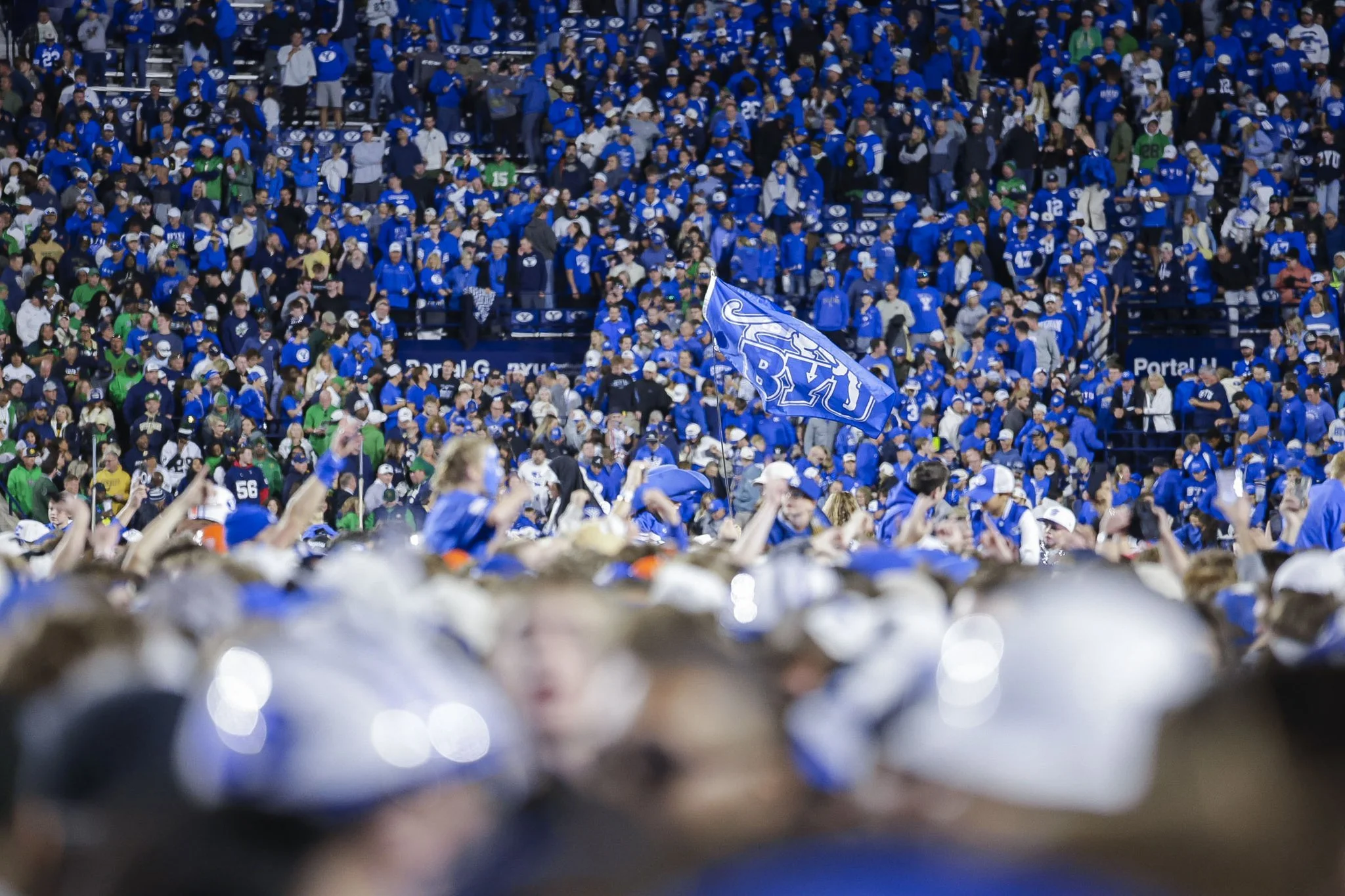
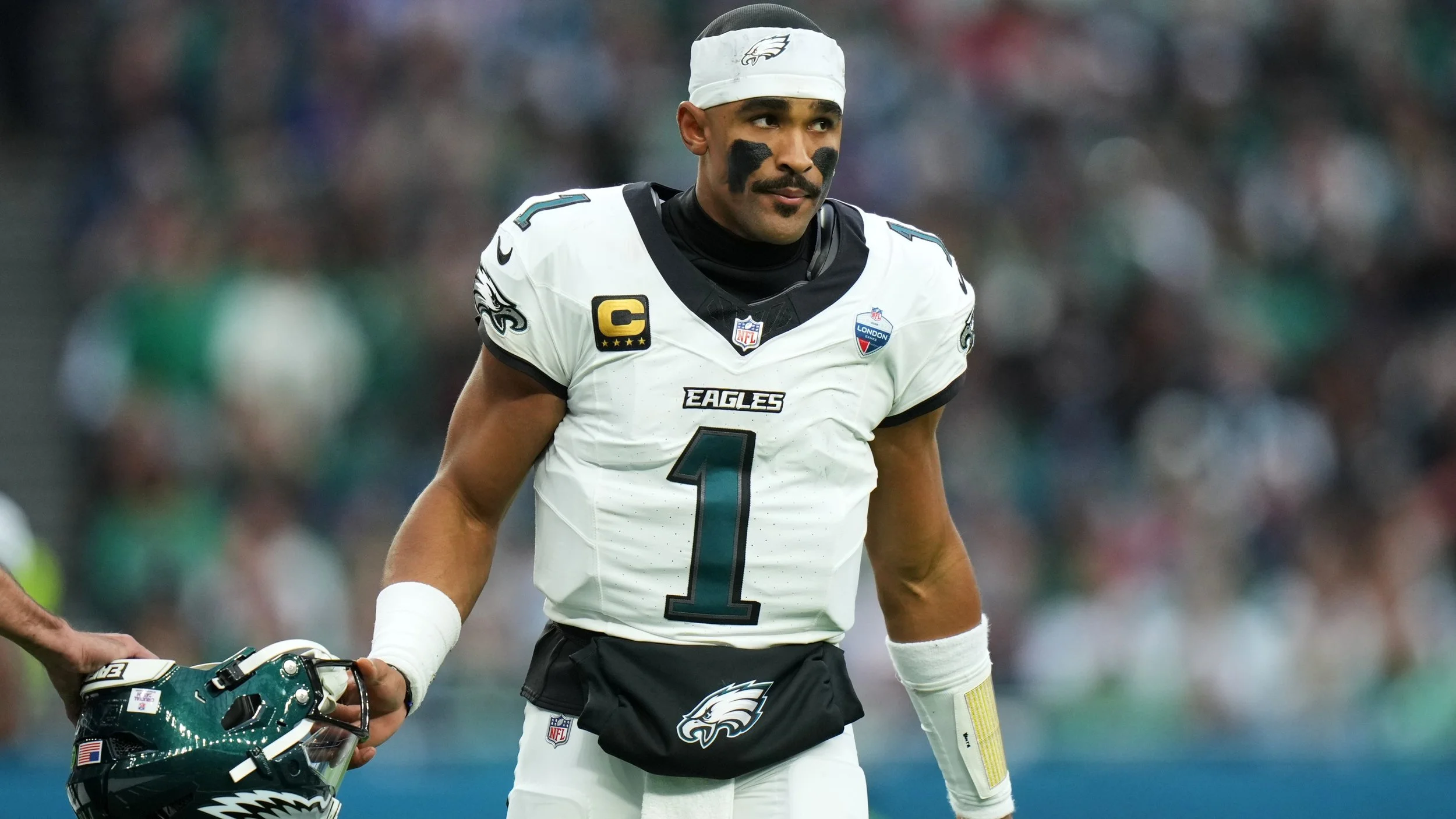
Jalen Hurts’ Blood Clot Diagnosis Raises Serious Questions About His Health and NFL Future
The Philadelphia Eagles are facing a situation far more concerning than their early-season struggles, as franchise quarterback Jalen Hurts has been diagnosed with a blood clot in his calf, raising questions about his immediate availability and the potential implications for his long-term playing career.
The Eagles announced Thursday that Hurts would miss Sunday’s matchup against the Carolina Panthers after a follow-up ultrasound revealed movement in a previously discovered superficial blood clot. While the organization has not established a timeline for his return, the situation introduces medical concerns that extend well beyond a typical football injury. (NFL.com)
The issue reportedly began during Philadelphia’s October 4 matchup against the Los Angeles Rams, when Hurts was struck in the calf by an opposing player’s cleat. He initially continued practicing before seeking treatment on October 8. An ultrasound conducted following the team’s arrival in London revealed the clot, although medical personnel initially determined that Hurts could safely participate in the Eagles’ game against Jacksonville.
Hurts played the entire contest against the Jaguars, completing 21 of 40 passes for 220 yards and a touchdown in Philadelphia’s 19-17 loss. However, additional testing Wednesday revealed that the clot had moved, prompting the organization to immediately rule him out against Carolina. (Reuters)
Although the clot has been classified as superficial, meaning it developed in a vein closer to the skin rather than a deep vein, medical professionals have emphasized that such conditions still require careful monitoring. In certain circumstances, superficial clots can extend into deeper veins, potentially creating more dangerous complications.
One of the biggest concerns surrounding Hurts’ recovery involves the possibility of blood-thinning medication. Depending on the clot’s location, size and progression, doctors may prescribe anticoagulants to reduce the risk of further clotting. Such treatment can complicate a professional athlete’s return, particularly in a physical sport like football, where repeated collisions create an elevated risk of serious bleeding.
Medical experts have indicated that recovery timelines can vary significantly, with some superficial clots resolving relatively quickly while others require extended treatment and monitoring. (USA Today)
For Hurts, whose playing style relies heavily on mobility, physicality and the ability to absorb contact, the uncertainty surrounding his treatment creates an especially difficult situation. Even if his symptoms improve, medical clearance for full-contact football could depend on factors beyond his ability to run, throw or practice without discomfort.
The diagnosis does not currently suggest that Hurts’ career is in immediate jeopardy. However, complications involving blood clots, particularly if they recur or require prolonged anticoagulant treatment, could potentially threaten an athlete’s ability to safely continue participating in professional sports.
It is an unsettling development for a quarterback who has established himself among the NFL’s most accomplished players. The 28-year-old has already led Philadelphia to two Super Bowl appearances, captured Super Bowl LIX MVP honors and earned three Pro Bowl selections.
His absence also comes at a difficult time for the Eagles, who have dropped three consecutive games after opening the season 2-0. Philadelphia will turn to backup quarterback Tanner McKee against Carolina, with upcoming divisional matchups against Dallas, Washington and the New York Giants looming on the schedule. (CBS Sports)
For Philadelphia, the immediate challenge will be keeping its season from slipping further away without its franchise quarterback. But the organization’s longer-term concerns are considerably more important.
Hurts has built his career around resilience, leadership and his ability to perform under pressure. This time, however, the circumstances are different. A blood clot is not an injury that can simply be played through, and the consequences of returning prematurely could extend far beyond the football field.
There remains reason for optimism, particularly given the superficial nature of the clot and the absence of any reported deep-vein complications. Nevertheless, until doctors determine the appropriate treatment and establish a clearer recovery timeline, uncertainty will surround one of the NFL’s most recognizable quarterbacks.
For now, the Eagles’ priority is no longer how quickly Hurts can return to the field, but ensuring that when he does, his health and future are not being placed at unnecessary risk.
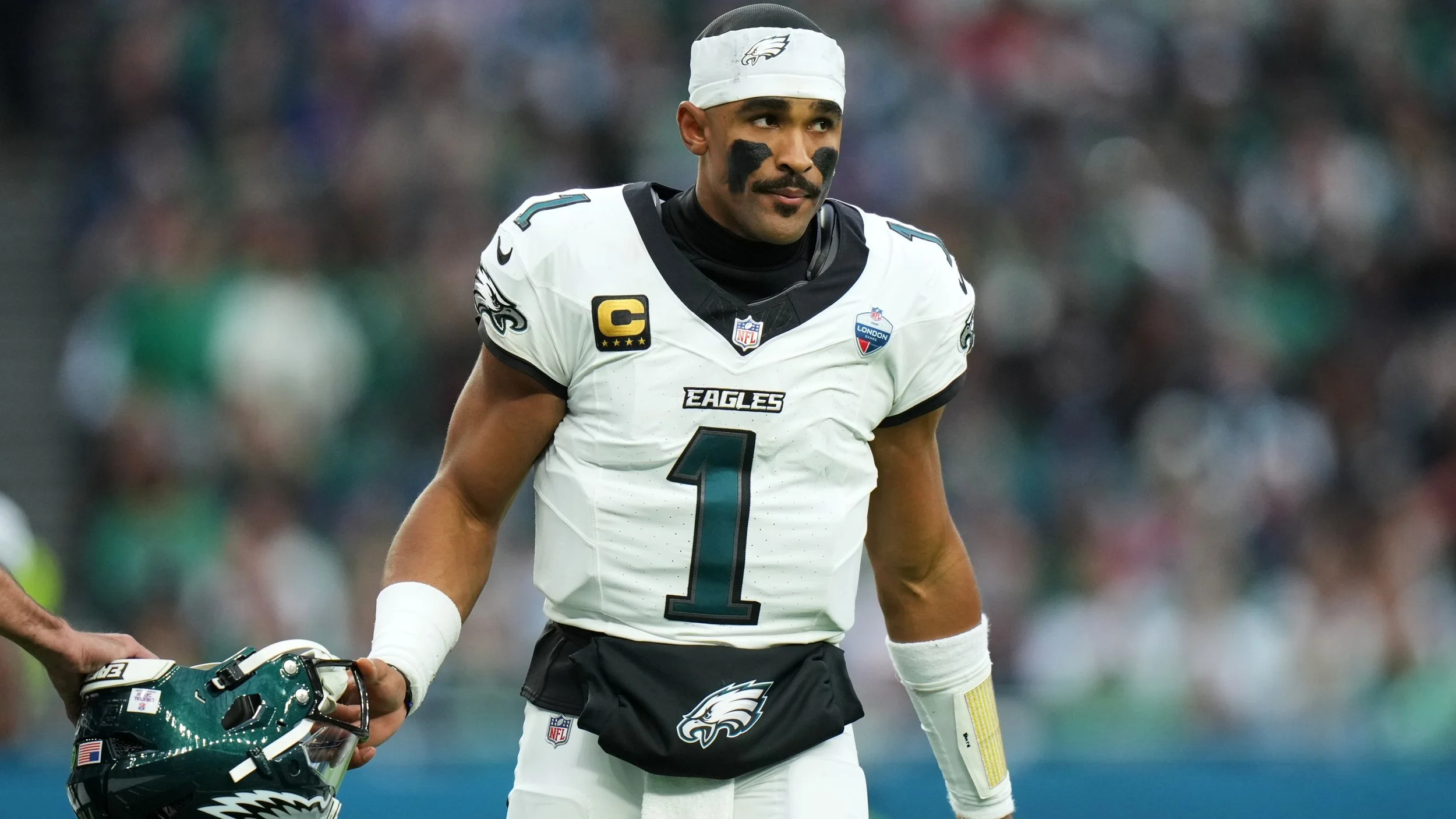
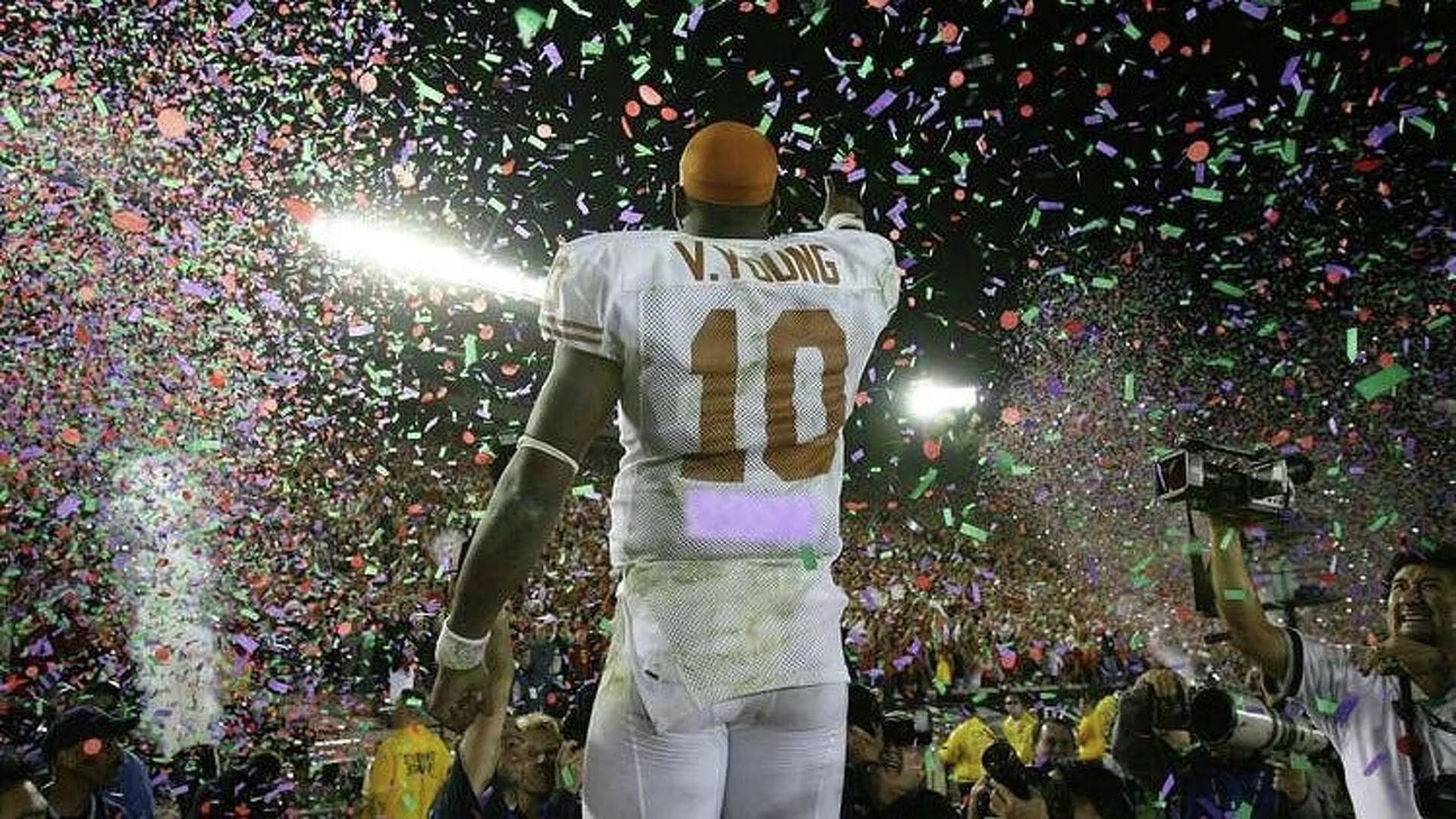
College Football Is Losing What Made It Special: Why a 24-Team Playoff Could Change the Sport Forever
College football has always been different from every other major American sport. Its traditions, rivalries, passionate fan bases and unforgiving regular season have helped distinguish it from the NFL and other professional leagues for generations. Every Saturday carried enormous implications, and for programs with national championship aspirations, a single defeat could change the course of an entire season.
Now, the sport appears increasingly determined to abandon one of the very characteristics that made it so captivating.
According to multiple reports Thursday, the College Football Playoff is nearing an agreement to expand its postseason field to 24 teams beginning in 2027, pending final approval. The proposed format would double the current 12-team bracket, potentially eliminate Power Four conference championship games and fundamentally reshape how college football determines its national champion. (CBS Sports)
On the surface, expansion sounds appealing. More teams competing for a national championship, additional postseason matchups and greater opportunities for programs traditionally excluded from championship consideration.
But beneath those benefits lies a much larger question that college football’s decision-makers seem increasingly unwilling to confront.
At what point does expanding the postseason begin diminishing the importance of the regular season?
For decades, college football operated under a system in which every game mattered because there was almost no margin for error. The sport has gradually moved away from that identity, first with the introduction of the four-team playoff in 2014, then with the expansion to 12 teams in 2024, and now potentially with a 24-team tournament.
The latest proposal would not simply represent another adjustment to the postseason. It could permanently change the way programs approach the final weeks of the regular season, including some of the most historic rivalries in American sports.
From the BCS to the Playoff: When Every Saturday Mattered
To understand what college football risks losing, it is worth remembering how the sport operated before the playoff era.
From 1998 through 2013, the Bowl Championship Series determined which two teams would compete for the national championship. The system was far from perfect. Computer rankings, human polls and controversial selections frequently left deserving programs without an opportunity to compete for a title.
Yet the BCS accomplished something that modern playoff expansion has progressively weakened: it made the regular season feel like an elimination tournament.
For programs competing at the highest level, every Saturday was effectively a postseason game. A September loss could damage championship aspirations before conference play even began. A defeat in November could erase months of hard work, regardless of how dominant a team had looked throughout the year.
There was little room for recovery, and that pressure created an atmosphere unlike anything else in American sports.
Consider the 2007 college football season, one of the most unpredictable in the sport’s history. No. 2 West Virginia entered its regular-season finale against an unranked Pittsburgh team needing a victory to position itself for the national championship game. Instead, the Mountaineers suffered a stunning 13-9 defeat, ending their championship hopes and opening the door for LSU to eventually claim the national title.
That game mattered because the consequences were absolute.
There was no expanded playoff bracket waiting to provide West Virginia with another opportunity. There was no discussion about whether the Mountaineers still deserved a postseason invitation despite the loss.
Their championship aspirations were over.
The BCS also produced controversies that demonstrated why reform was necessary. The undefeated 2004 Auburn Tigers were excluded from the national championship game, while the 2011 season ended with an Alabama-LSU rematch that sparked widespread debate.
Those shortcomings should not be forgotten. The system regularly failed programs that had legitimate arguments for inclusion.
But the solution to an imperfect championship selection process did not necessarily require sacrificing the urgency that made the regular season so compelling.
The Four-Team Playoff Preserved College Football’s Identity
When the College Football Playoff debuted in 2014, it represented a reasonable compromise between tradition and competitive fairness.
Instead of selecting only two teams, the committee would choose four national championship contenders, providing additional opportunities while maintaining the importance of regular-season results.
The change was significant, but the margin for error remained relatively small.
A single loss could still jeopardize a team’s playoff chances, while two losses frequently made qualification extremely difficult. Conference championships carried enormous weight, and late-season rivalry games continued to shape the national championship picture.
The inaugural playoff season offered a perfect example.
Ohio State entered its regular-season finale against Michigan with one loss and considerable uncertainty surrounding its postseason position. The Buckeyes defeated their rivals, but quarterback J.T. Barrett suffered a season-ending injury, forcing third-string quarterback Cardale Jones into the spotlight.
Ohio State then dismantled Wisconsin 59-0 in the Big Ten Championship Game, earning the final playoff spot before defeating Alabama and Oregon to capture the national championship.
Every step mattered.
A loss to Michigan would have ended the conversation. A poor performance against Wisconsin could have left the Buckeyes outside the four-team field.
The pressure of those games helped make Ohio State’s eventual championship run one of the most memorable stories in modern college football history.
Even near the end of the four-team era, the regular season maintained that unforgiving nature.
In 2023, Florida State finished undefeated and won the ACC championship but was controversially excluded from the playoff. Alabama, meanwhile, earned a selection after defeating Georgia in the SEC Championship Game.
The decision highlighted serious flaws in the selection process, but it also demonstrated how consequential individual games remained.
Under the four-team format, nearly every result involving a national championship contender had the potential to reshape the entire postseason.
The system was imperfect, but it preserved something essential: the feeling that college football’s championship race began in September, not December.
Expansion Has Already Changed the Meaning of a Loss
The introduction of the 12-team playoff in 2024 marked the beginning of a different philosophy.
Rather than requiring teams to build nearly flawless résumés, the expanded bracket created opportunities for programs to recover from multiple defeats.
There are clear advantages to that approach. More teams remain involved in the national championship conversation, and strong programs that suffer difficult losses are no longer automatically eliminated from contention.
However, the consequences of losing have undeniably changed.
Under the BCS system, a second loss was often devastating. Under the four-team playoff, it was frequently enough to eliminate a contender. Under a 12-team format, multiple losses can be overcome with a strong enough résumé.
That distinction matters.
A late-season defeat against a conference rival might once have ended a team’s championship aspirations. Today, the same loss could simply affect its seeding or determine whether it hosts a first-round playoff game.
Those outcomes still carry significance, but they are not equivalent.
There is an enormous difference between playing to keep a national championship dream alive and playing to determine where that championship pursuit will begin.
The 12-team playoff has already moved college football closer to the postseason model used by professional sports leagues, where regular-season defeats are often viewed as manageable setbacks rather than potentially defining moments.
A 16-team playoff, which has also been discussed extensively, would weaken that urgency further by providing four additional opportunities for teams to qualify.
Now, a proposed 24-team field threatens to accelerate that transformation dramatically.
A 24-Team Playoff Could Make November Football Less Consequential
The proposed expansion would reportedly feature 19 at-large selections, four Power Four conference champions and the highest-ranked Group of Six program. The top eight seeds would receive first-round byes, while additional postseason games would be played on campus.
The format would undoubtedly produce exciting matchups and provide opportunities for programs that might otherwise struggle to enter the championship conversation. (theScore)
But consider what this means for the nation’s traditional championship contenders.
A powerhouse program could conceivably lose three games, potentially even four depending on the strength of its schedule and the selection committee’s evaluation, and still find itself competing for a national championship.
A team could lose its biggest rivalry game, fail to win its conference and nevertheless receive another opportunity to compete for the sport’s ultimate prize.
In some circumstances, that might be justified. Not every loss carries the same weight, and teams competing in difficult conferences deserve consideration for the quality of their opponents.
Still, the broader consequences cannot be ignored.
If losing two or three games no longer threatens a program’s championship hopes, the emotional stakes surrounding those defeats inevitably change.
The difference between finishing 10-2 and 9-3 could become a matter of playoff positioning rather than qualification.
For fans of programs competing near the playoff cutoff, the final weeks of the season could become more exciting. But for the sport’s established contenders, the opposite may occur.
The biggest programs could enter November knowing their postseason invitations are all but guaranteed.
And once qualification is secure, a much more troubling question emerges.
Could Rivalry Week Become College Football’s Version of NFL Week 18?
Perhaps the most concerning potential consequence of a 24-team playoff is how it could influence decisions surrounding rivalry week.
Imagine Ohio State entering its annual matchup against Michigan with a 10-1 record, already assured of a postseason appearance. Suppose the Buckeyes have several key players dealing with minor injuries, including their starting quarterback or an All-American defensive lineman.
Under the BCS system, resting those players would have been almost unthinkable. A loss could have ended Ohio State’s national championship hopes.
Under the four-team playoff, the stakes would have remained similarly enormous.
Even with a 12-team field, losing to Michigan could significantly damage Ohio State’s seeding and eliminate its opportunity to host a playoff game.
But under a 24-team format, the calculation could look very different.
If Ohio State already knows it will participate in the postseason regardless of the result, would its coaching staff consider limiting the snaps of important players?
Would preserving the health of a starting quarterback become more important than securing another regular-season victory?
Could the same reasoning apply to Alabama against Auburn, Georgia against Georgia Tech, Florida against Florida State or USC against Notre Dame?
These are hypothetical scenarios, not decisions that any of those programs have announced. But they are questions college football must seriously consider before expanding its postseason.
The NFL already provides an example of what can happen when postseason positioning becomes more important than individual regular-season games.
Every year, teams that have secured favorable playoff positions face decisions about whether to rest starters during the final week of the season.
From a competitive standpoint, those decisions often make perfect sense.
Why risk losing a franchise quarterback in a relatively meaningless regular-season contest when the playoffs begin the following week?
But college football has historically operated under a different philosophy.
The Ohio State-Michigan rivalry is not supposed to resemble an NFL regular-season finale between two teams with their postseason positions already secured.
The Iron Bowl should not become an opportunity for Alabama or Auburn to evaluate its depth chart ahead of December.
Rivalry week is one of college football’s defining traditions precisely because the games carry significance beyond their place on the schedule.
Of course, no serious college football observer should underestimate the importance of beating a rival. Coaches understand what those games mean to their programs, alumni and supporters.
Ohio State is not suddenly going to stop caring about Michigan because the playoff expands.
But caring about a rivalry and making strategic decisions about player availability are two different things.
If a coaching staff believes resting an injured starter improves its chances of winning a national championship, an expanded playoff could provide the justification to make that decision.
Even if only a handful of programs eventually adopt such an approach, the precedent would represent a significant departure from college football’s traditional identity.
Conference Championships Could Become Another Casualty
The potential elimination of Power Four conference championship games adds another layer to the controversy.
Under the proposed format, conferences would reportedly determine their champions without holding their traditional postseason title games, allowing the expanded playoff to fit within the college football calendar.
From a scheduling perspective, the decision is understandable.
A 24-team playoff requires additional rounds, and administrators must account for player workloads, academic calendars and television commitments.
However, eliminating conference championship games would remove another meaningful element of the college football season.
For decades, conference titles represented significant achievements in their own right.
Winning the Big Ten, SEC, ACC or Big 12 championship carried prestige regardless of whether a program ultimately captured the national title.
Conference championship games also provided memorable moments that helped shape the sport’s history, including upsets that completely altered the national championship picture.
Under the proposed system, some of those decisive matchups could disappear entirely.
A conference champion might instead be determined through regular-season standings and tiebreakers, potentially leaving fans without a definitive championship matchup between the league’s strongest teams.
Supporters of expansion will argue that replacing conference title games with additional playoff contests creates more meaningful postseason opportunities.
That argument has merit.
But it also reflects the larger transformation taking place throughout college football.
The sport is gradually shifting its emphasis away from conference championships and regular-season accomplishments toward one increasingly expansive national tournament.
There was a time when winning your conference was among the most important achievements in college football.
Now, conference championships risk becoming little more than another mechanism for determining playoff eligibility.
The Financial Incentive Behind Expansion Is Impossible to Ignore
The financial motivations surrounding playoff expansion are difficult to separate from the competitive arguments.
According to CBS Sports, discussions surrounding a 24-team tournament have included the possibility of generating hundreds of millions of dollars in additional annual media rights revenue, partly to compensate conferences for the potential elimination of their championship games.
The Big Ten has strongly supported a 24-team format, while the SEC initially favored a more modest expansion to 16 teams. (CBS Sports)
There is nothing inherently wrong with college football generating additional revenue.
The sport has become an enormous business, and its financial success supports athletic departments, facilities, scholarships and increasingly the athletes themselves.
However, the pursuit of additional revenue should not automatically outweigh the importance of preserving the product that made college football valuable in the first place.
More playoff games mean additional television inventory, larger broadcasting opportunities and greater commercial exposure.
But more football does not necessarily mean better football.
At some point, the value of individual games begins to decline as the number of opportunities to recover from defeat increases.
A national championship race involving only a handful of teams can create frustration among excluded programs, but a championship race involving nearly two dozen teams presents a different problem.
It risks turning a historically unforgiving regular season into a lengthy qualification process.
Former Alabama head coach Nick Saban has also expressed concerns about continued expansion, particularly regarding the number of games players could be required to participate in and whether the pursuit of additional revenue is overshadowing competitive considerations.
Saban has favored a smaller field, questioning whether significantly expanding the tournament is necessary to identify the nation’s best team. (247Sports)
His concerns deserve serious consideration.
College football players already endure physically demanding schedules, and an expanded postseason could require championship contenders to participate in significantly more games than previous generations.
The sport should be cautious about creating additional demands simply because television networks and conference administrators recognize the financial opportunities involved.
The Argument for Expansion Should Not Be Dismissed
Despite these concerns, supporters of a larger playoff field have legitimate reasons for advocating expansion.
One of the most compelling arguments is that a 24-team format would provide meaningful opportunities for programs outside college football’s traditional power structure.
Under the BCS system and four-team playoff, teams from smaller conferences frequently faced nearly impossible paths to national championship consideration.
Even undefeated seasons did not guarantee an opportunity to compete for a title.
An expanded field could help address those historical inequalities.
It could also keep more fan bases engaged throughout November, giving programs that have suffered early-season losses something meaningful to pursue.
Big Ten commissioner Tony Petitti has argued that increasing the number of teams competing for postseason opportunities would make more regular-season games relevant, particularly for programs that might otherwise be eliminated from contention early. (Associated Press)
That argument is not without merit.
A November matchup between two teams with three losses could suddenly carry substantial playoff implications. Programs that historically spent the final month of the season playing for bowl eligibility might instead be competing for a place in the national championship tournament.
For those teams and their supporters, expansion could make the regular season considerably more meaningful.
This is the central contradiction surrounding the debate.
A 24-team playoff could increase the number of meaningful games across college football while simultaneously reducing the importance of individual games involving the nation’s best teams.
Both outcomes can be true.
But college football must decide whether expanding the number of programs with championship aspirations is worth diminishing the consequences of losing for its established contenders.
College Football Risks Becoming Too Similar to the NFL
The NFL has perfected a postseason model built around qualification, seeding and elimination games.
Its regular season determines which teams advance, while its playoff system ultimately decides the champion.
College football has traditionally offered something different.
Its regular season was not merely preparation for the postseason. For much of its history, the regular season effectively was the postseason.
Every major rivalry, conference showdown and unexpected upset contributed to a championship race that unfolded over several months.
The sport’s unpredictability came not simply from the possibility of an upset, but from the consequences attached to that upset.
When an unranked team defeated a national championship contender, the result could alter the entire landscape of college football.
That is what made those Saturdays memorable.
A 24-team playoff would not eliminate upsets or diminish the passion of college football fans. Rivalries would continue, stadiums would remain packed and the sport would still produce extraordinary moments.
But the consequences surrounding those moments could become less significant.
A top-five team losing in November might no longer be a national championship-altering event. Instead, the conversation could revolve around whether that team falls from the fifth seed to the ninth.
That is a fundamentally different type of drama.
College football should not be afraid to evolve, but evolution should improve the sport without stripping away the characteristics that distinguish it.
The NFL already provides fans with an extensive playoff tournament.
College football does not need to become a smaller version of professional football to remain successful.
Where Does Expansion Finally End?
Perhaps the most troubling aspect of the current proposal is how quickly the conversation surrounding playoff expansion has accelerated.
The four-team playoff existed from 2014 through 2023. The 12-team format debuted in 2024 and remains in place for the 2026 season.
Yet before the expanded format has even completed its third season, college football is already approaching an agreement that would double the field again.
That raises an obvious question.
If 12 teams were not enough, and 16 teams are no longer considered sufficient, what guarantees that 24 teams will satisfy the sport’s decision-makers?
Eventually, there will be arguments for including the 25th-ranked team.
A program that finishes just outside the bracket will point to its difficult schedule, impressive victories or close losses as evidence that it deserves another opportunity.
Those arguments will sound familiar because they are the same arguments that have accompanied every previous postseason format.
Expansion does not eliminate controversy. It simply moves the debate further down the rankings.
At some point, college football must establish a reasonable limit rather than continually expanding its postseason to accommodate every program with a plausible championship argument.
A larger playoff field can create more opportunities, but it cannot guarantee that every deserving team will be included.
And the pursuit of that impossible objective should not come at the expense of the regular season.
College Football Must Decide What It Values Most
The proposed 24-team playoff is not yet official, and important details remain subject to final approval. But the direction of college football is becoming increasingly clear.
The sport is moving toward a future in which postseason access is broader, regular-season defeats are more forgiving and national championships are determined through an increasingly extensive tournament.
There are benefits to that approach, and supporters of expansion are right to emphasize the opportunities it creates.
But there is also a cost.
The BCS system was deeply flawed, yet it made every Saturday feel consequential. The four-team playoff improved access while largely preserving that urgency. The 12-team playoff began shifting the balance toward postseason opportunity, and a 16-team field would continue that trend.
A 24-team playoff could push the sport beyond a point from which it cannot easily return.
The possibility of teams resting starters during rivalry week may seem far-fetched today, but the incentives created by an expanded postseason make that scenario increasingly conceivable.
The potential disappearance of conference championship games would further weaken the significance of achievements that once defined successful college football seasons.
And the continued prioritization of postseason television revenue raises legitimate concerns about whether the sport’s decision-makers fully appreciate what they risk losing.
College football has never needed a perfect system to produce unforgettable moments.
It needed meaningful games, passionate rivalries and the understanding that every Saturday could change everything.
The sport’s greatest strength was never simply determining which team was the best at the end of January.
It was making the journey toward that championship matter from the opening weekend of September.
If college football continues expanding its postseason without considering what those changes mean for the regular season, it risks discovering that more championship opportunities do not necessarily create a better championship race.
Because when nearly everyone gets another chance, the first chance inevitably begins to mean a little less.
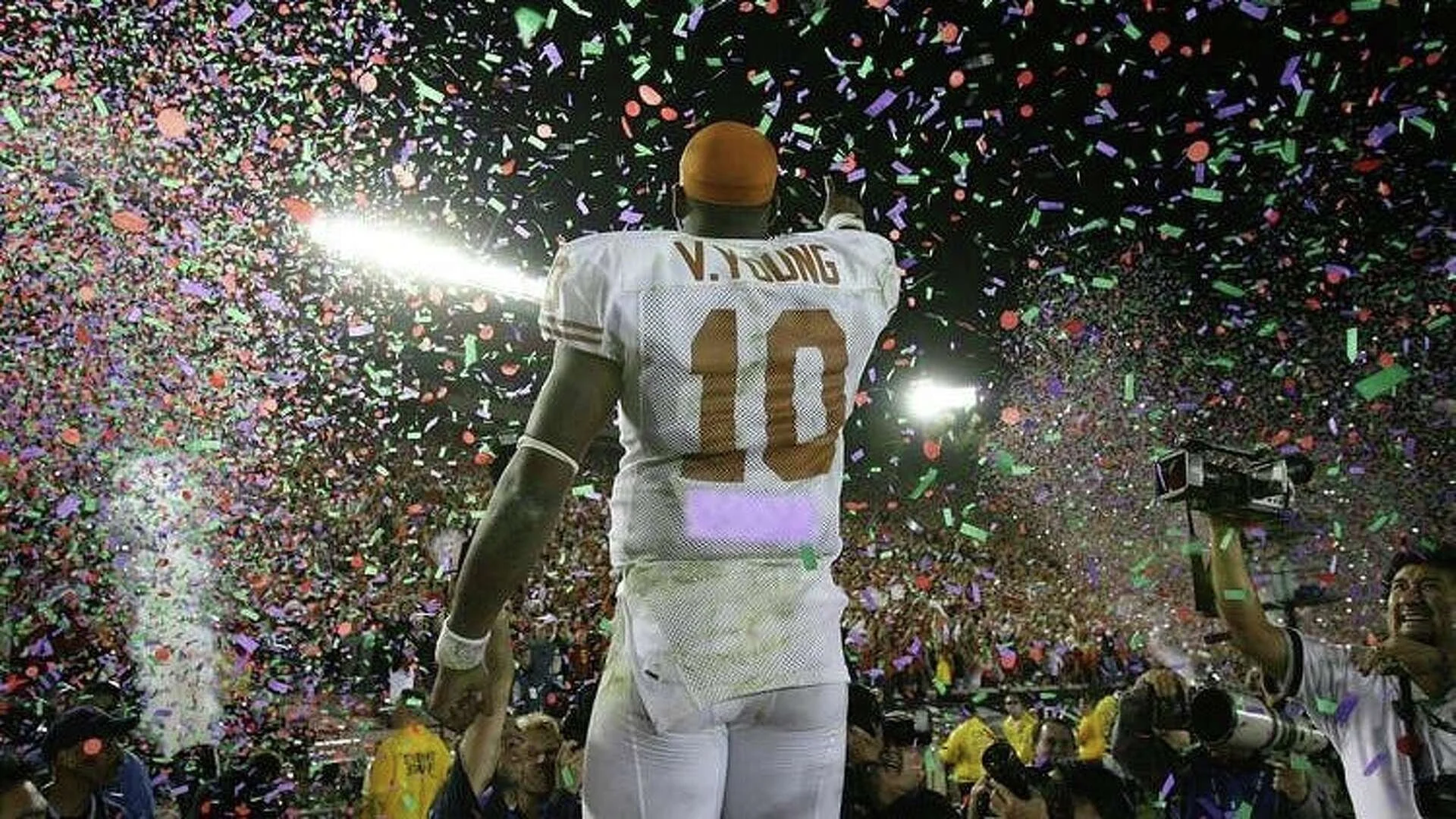
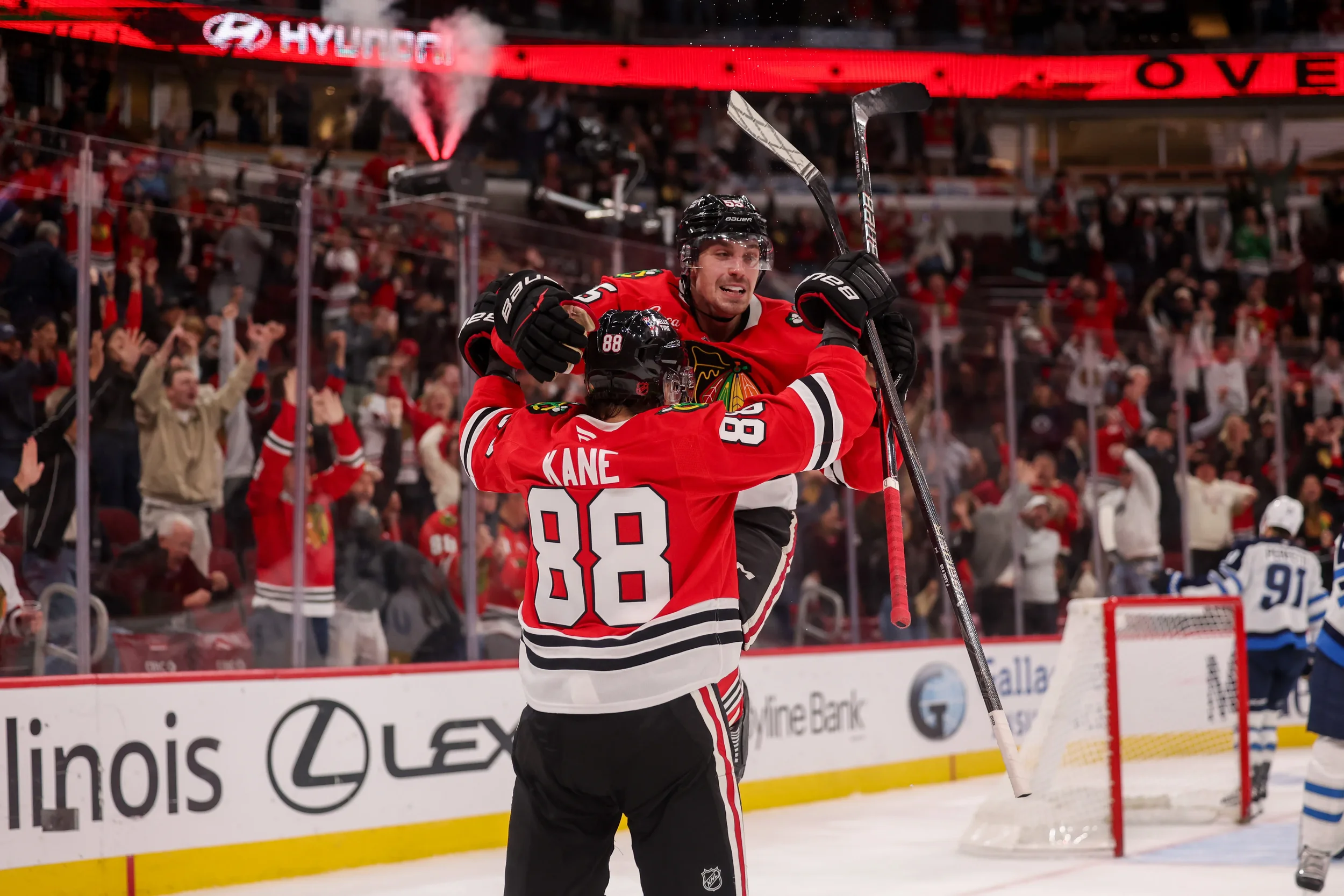
Patrick Kane Becomes All-Time American-Born Assists Leader on Connor Bedard’s First Goal as Captain
In a moment that seemed almost scripted, Patrick Kane made NHL history Thursday night by becoming the league’s all-time assists leader among American-born players. Fittingly, the milestone came on a goal scored by Connor Bedard, the young superstar now tasked with leading the Chicago Blackhawks into their next chapter.
Kane recorded his 895th career assist on Bedard’s first goal since being named captain, surpassing Hall of Fame defenseman Phil Housley for the most assists by an American-born player in NHL history. The historic moment came during Chicago’s 4-3 overtime victory over the Winnipeg Jets at United Center, a game that showcased both the franchise’s decorated past and its promising future. (NHL)
The milestone occurred at 8:11 of the first period with Chicago operating on a two-man advantage. Kane controlled the puck near the goal line before finding Bedard in the slot, where the 21-year-old captain fired a wrist shot past Winnipeg goaltender Stuart Skinner to open the scoring.
The goal carried significance beyond the scoreboard.
For Kane, it was another historic accomplishment in a career that has already established him as one of the greatest American-born players to ever step onto NHL ice. For Bedard, it marked his first goal wearing the captain’s designation, a responsibility he inherited as the 37th captain in Blackhawks franchise history.
Perhaps most remarkably, the two players connected for the milestone in the same building where Kane spent the majority of his career helping establish Chicago as one of hockey’s premier organizations.
Kane, now 37, returned to the Blackhawks during the offseason after spending parts of the previous four seasons with the New York Rangers and Detroit Red Wings. His return reunited him with the franchise that selected him first overall in the 2007 NHL Draft and with which he won three Stanley Cup championships in 2010, 2013 and 2015.
Bedard, meanwhile, represents the next generation of Blackhawks hockey. Selected first overall in the 2023 NHL Draft, the Canadian forward arrived in Chicago carrying enormous expectations, many of which stemmed from the organization’s desire to find another franchise cornerstone following Kane’s departure.
Thursday’s historic connection offered a symbolic passing of the torch between two first-overall selections separated by 16 years. Kane, the established veteran who helped define an era of Chicago hockey, assisted on a goal scored by the young captain now responsible for guiding the franchise forward.
The duo also became just the second pair of first-overall selections drafted at least 15 years apart by the same organization to combine on a goal, joining Pittsburgh Penguins legends Mario Lemieux and Sidney Crosby. (Chicago Blackhawks)
Kane’s achievement adds another remarkable distinction to his already extensive résumé.
The Buffalo, New York, native previously surpassed Mike Modano to become the NHL’s all-time leading scorer among American-born players in January 2026. Thursday’s assist moved him past Housley’s previous record of 894, further strengthening his place in American hockey history.
The milestone came in Kane’s 1,377th career game, considerably fewer than the 1,496 games Housley required to accumulate his total. Kane finished Thursday’s contest with two assists, bringing his career total to 896 and his overall point total to 1,405.
Beyond the statistical accomplishments, Kane’s return to Chicago provides an invaluable opportunity for Bedard to learn directly from one of the most accomplished offensive players of his generation. Both forwards possess exceptional puck-handling abilities, offensive awareness and creativity, making their developing partnership one of the more intriguing storylines surrounding the Blackhawks this season. (Associated Press)
While Kane’s record-breaking assist highlighted the evening, the game itself featured plenty of drama.
Chicago jumped out to an early 2-0 lead following Bedard’s power-play goal and an unassisted breakaway tally from Frank Nazar at 15:10 of the opening period. Winnipeg responded when defenseman Neal Pionk scored less than two minutes later, cutting the deficit in half.
Ryan Donato restored Chicago’s two-goal advantage just 14 seconds after Pionk’s goal, giving the Blackhawks a 3-1 lead heading into the second period.
The Jets, however, refused to go quietly.
Kyle Connor scored on the power play early in the second period, bringing Winnipeg within one before Alex Iafallo redirected a Pionk shot into the net at 5:39 of the third, completing the Jets’ comeback and tying the game at three.
With neither team able to break the deadlock in regulation, the contest headed to overtime.
Chicago goaltender Spencer Knight delivered a crucial save on Pionk just 35 seconds into the extra period, preventing Winnipeg from completing its comeback. Moments later, Kane and Bedard combined once again, this time setting up defenseman Artyom Levshunov for the game-winning goal.
Bedard delivered a pass to Levshunov, who moved into the slot and fired a shot past Skinner just 1:37 into overtime, securing Chicago’s second consecutive victory.
Knight finished with 31 saves, while Skinner stopped 24 shots for Winnipeg. Bedard recorded a goal and an assist, while Kane collected two assists in the victory. (NHL)
The win improved Chicago’s record to 3-5-0, providing another encouraging performance following Bedard’s return from offseason shoulder surgery. The young captain missed the Blackhawks’ first six games before making his season debut Tuesday against the Pittsburgh Penguins.
Chicago will look to extend its winning streak Saturday when it hosts the Dallas Stars at United Center.
For a franchise still working to establish its identity following years of rebuilding, Thursday’s victory offered a glimpse of what the future could hold.
Kane’s return has reunited Chicago with one of its most celebrated players, while Bedard’s emergence as captain signals a new direction for the organization. Their partnership brings together two generations of Blackhawks hockey, connected by the same expectations of bringing championship success back to Chicago.
And on a night when Kane added another historic accomplishment to his legendary career, it was only fitting that the record-breaking assist came on a goal scored by the player many hope will follow in his footsteps.
One generation helped build a dynasty. The next is trying to build another.
For Patrick Kane and Connor Bedard, Thursday night represented a moment where Chicago’s past and future met on the same sheet of ice.
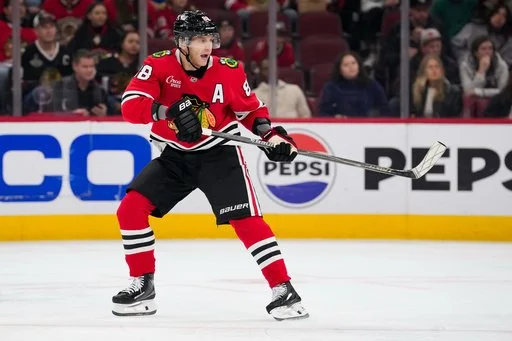
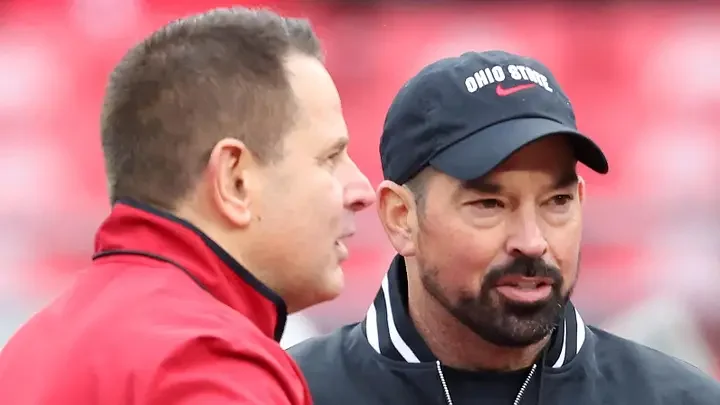
Ohio State and Indiana Prepare for Another Defining, Heavyweight Showdown
Two programs, two national championships, and a rivalry that has taken on an entirely different meaning over the past two seasons.
When No. 4 Ohio State travels to Bloomington to face No. 5 Indiana on Saturday afternoon, the matchup will feature the last two national champions in college football, with both programs looking to strengthen their position in the Big Ten and the College Football Playoff race.
For Ryan Day and the Buckeyes, the meeting presents an opportunity to avenge last December’s Big Ten Championship loss, a defeat that ended Ohio State’s pursuit of consecutive national titles. For Curt Cignetti and the Hoosiers, it represents another opportunity to demonstrate that Indiana’s remarkable rise to the top of college football was no one-season accomplishment.
Saturday’s contest will also mark the first top-five matchup ever played at Indiana’s Memorial Stadium, adding another chapter to a series that has become one of the Big Ten’s most compelling matchups. (Indiana Athletics)
2024: Ohio State Delivers a Reality Check on Its Way to a National Championship
The recent history between these programs begins on November 23, 2024, when an undefeated Indiana team arrived in Columbus with an opportunity to make one of the biggest statements in program history.
Cignetti, then in his first season leading the Hoosiers, had transformed a struggling program into an unlikely College Football Playoff contender. Indiana entered Ohio Stadium with a perfect 10-0 record, but standing across the field was a Buckeyes team determined to prove it belonged among the nation’s elite.
Indiana struck first, taking a 7-0 lead in the opening quarter. However, Ohio State quickly seized control, scoring 31 unanswered points before eventually securing a convincing 38-15 victory.
The Buckeyes overwhelmed Indiana with their defensive pressure, special teams contributions, and superior execution. What began as an opportunity for the Hoosiers to announce themselves as legitimate national championship contenders instead became a reminder of the gap they still needed to close.
For Ohio State, the victory became an important chapter in a season that would eventually end with Ryan Day capturing his first national championship as head coach.
Despite suffering a devastating regular-season loss to Michigan the following week, the Buckeyes regrouped during the College Football Playoff, defeating Tennessee, Oregon, Texas, and ultimately Notre Dame to capture the program’s first national championship since the 2014 season.
Indiana, meanwhile, finished its remarkable 2024 campaign with an 11-2 record after falling to Notre Dame in the opening round of the playoff.
The loss in Columbus, however, would remain significant for Cignetti and his program. (Indiana Daily Student)
2025: Cignetti Gets His Revenge, Then Completes an Unthinkable Championship Run
Just over a year later, the two programs met again under dramatically different circumstances.
This time, the stakes were even higher.
No. 1 Ohio State and No. 2 Indiana entered the 2025 Big Ten Championship Game undefeated, setting up a historic meeting at Lucas Oil Stadium in Indianapolis.
Ohio State arrived as the defending national champion, while Indiana was seeking its first outright Big Ten championship since 1945.
Unlike their previous meeting, the Hoosiers were prepared to match Ohio State’s physicality and defensive intensity.
In a tightly contested defensive battle, Indiana limited the Buckeyes to just 10 points, disrupting an offense that had been among the most talented in college football.
The Hoosiers eventually emerged with a 13-10 victory, ending Ohio State’s 30-game winning streak in the series and delivering Cignetti his first victory over Ryan Day.
It was a defining moment for Indiana football.
The same program that had been overwhelmed in Columbus a year earlier had now defeated the defending national champions on one of college football’s biggest stages.
More importantly, the victory proved to be the beginning of something even greater.
Indiana carried its momentum into the College Football Playoff, defeating Alabama, Oregon, and Miami to complete a perfect 16-0 season and capture the first national championship in school history.
In just two seasons, Cignetti had transformed Indiana from a Big Ten afterthought into the best team in college football.
Ohio State’s season, meanwhile, ended with a College Football Playoff defeat to Miami, leaving the Buckeyes without the opportunity to defend their national championship.
The balance of power between the two programs had shifted, and for the first time in decades, Indiana entered the following season with something Ohio State wanted back. (Big Ten Conference)
2026: Two Championship Programs With Plenty Left to Prove
Saturday’s matchup brings together two teams that have once again established themselves among the nation’s best.
Ohio State enters the contest at 5-1 overall and 3-0 in Big Ten play, while Indiana remains undefeated at 6-0 with an identical conference record.
The Buckeyes are coming off a 45-16 victory over Maryland, while the Hoosiers survived a difficult road matchup against Nebraska, escaping Lincoln with a 20-17 win.
Indiana’s victory extended its winning streak to 22 consecutive games, a remarkable stretch that includes its undefeated national championship campaign last season.
Despite the Hoosiers’ success, Ohio State enters Saturday with considerable motivation.
Day’s program has retained much of its offensive talent, including quarterback Julian Sayin and star receiver Jeremiah Smith, giving the Buckeyes the personnel to challenge one of the Big Ten’s most disciplined defensive units.
Indiana, meanwhile, has undergone significant roster changes following its championship season, including the departure of Heisman Trophy-winning quarterback Fernando Mendoza.
Nevertheless, Cignetti has continued to demonstrate his ability to build competitive teams through player development, the transfer portal, and a disciplined approach that has become the foundation of Indiana’s success.
The Hoosiers will also have the advantage of playing in Bloomington, where they have won 19 consecutive home games.
For Ohio State, the challenge will be maintaining offensive consistency against an Indiana team that has repeatedly demonstrated its ability to win close games. For the Hoosiers, containing Ohio State’s explosive passing attack could prove essential to extending their unbeaten season. (CBS Sports)
More Than Another Regular-Season Matchup
The significance of Saturday’s game extends well beyond the conference standings.
In 2024, Ohio State used its dominant victory over Indiana as part of a championship season that solidified Day’s standing among college football’s elite coaches.
In 2025, Cignetti returned the favor, defeating the Buckeyes in Indianapolis before guiding Indiana to one of the most extraordinary national championship runs in college football history.
Now, the two coaches enter their third meeting with one victory apiece and another opportunity to shape the direction of the Big Ten championship race.
Ohio State still holds a commanding advantage in the all-time series, but Indiana’s emergence has fundamentally changed the expectations surrounding this matchup.
The Hoosiers are no longer simply trying to compete with the Buckeyes. They have proven they can beat them, win conference championships, and reach the pinnacle of the sport.
For Ohio State, Saturday is an opportunity to reassert itself against the program that ended its hopes of repeating as national champion.
For Indiana, it is a chance to defend its position atop the college football landscape and demonstrate that the success of the Cignetti era is built to last.
Over the past two seasons, these programs have traded decisive victories before each went on to lift the national championship trophy.
Saturday afternoon in Bloomington will not determine this year’s national champion, but it could provide an early indication of which program is better positioned to pursue another title.
Kickoff is scheduled for noon ET on Saturday, October 17, at Memorial Stadium in Bloomington, Indiana. The game will be nationally televised on FOX. (Ohio State Athletics)
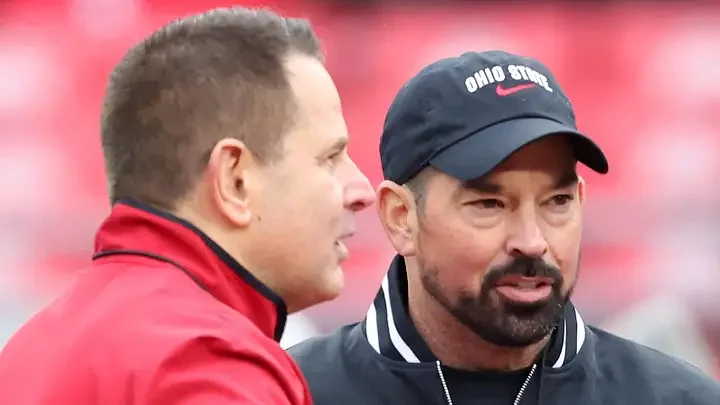
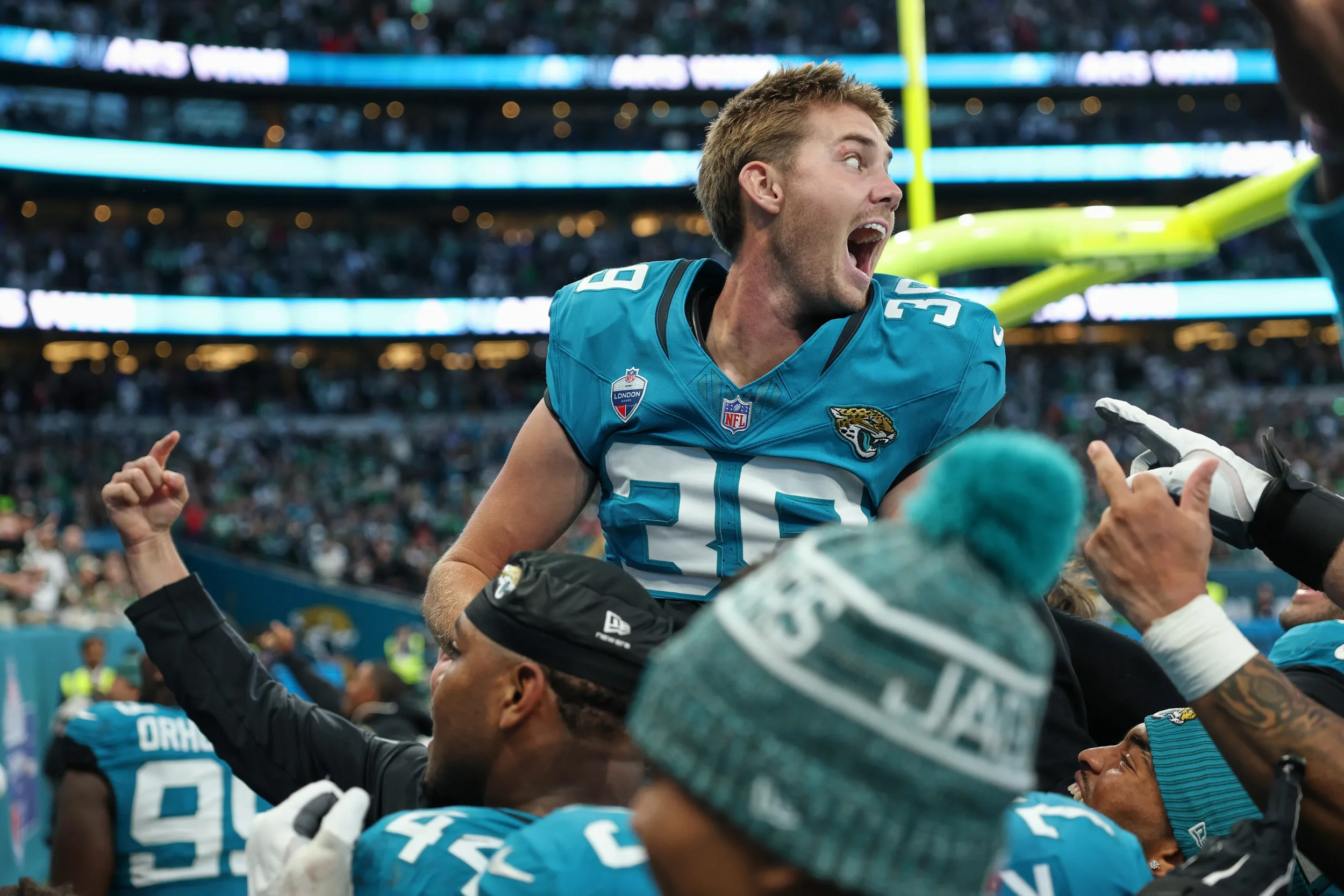
Last-Second Field Goals, Overtime Drama Highlight Wild Weekend Across the NFL
The NFL delivered another unpredictable weekend of football, with last-second field goals, dramatic comebacks and overtime finishes defining a Week 5 slate that kept fans on edge until the final whistle.
From Jacksonville’s improbable victory over Philadelphia in London to Buffalo’s overtime thriller against Los Angeles, special teams played a decisive role in several of the weekend’s biggest games. Elsewhere, San Francisco survived a divisional showdown in Seattle, while the Giants and Commanders played to the season’s first tie.
The weekend served as another reminder that even the smallest mistakes can determine the outcome of an NFL game, particularly when the difference between winning and losing comes down to a single kick.
Jaguars Steal Victory From Eagles on Cam Little’s 57-Yard Walk-Off Field Goal
Few games this season have produced a finish quite like Jacksonville’s 19-17 victory over Philadelphia at Tottenham Hotspur Stadium on Sunday.
The Eagles appeared to have secured a much-needed victory when Jake Elliott connected on a 48-yard field goal with eight seconds remaining, giving Philadelphia a 17-16 advantage.
However, Jacksonville had other plans.
Veteran return specialist Ameer Abdullah fielded the ensuing kickoff and broke free for a 53-yard return, advancing the ball to Philadelphia’s 39-yard line with just one second remaining.
That was all Cam Little needed.
The Jaguars kicker stepped onto the field and drilled a 57-yard field goal as time expired, completing one of the most remarkable finishes of the young NFL season.
The sequence marked the first game of the Super Bowl era in which both teams recorded go-ahead scores within the final 10 seconds of regulation.
For Jacksonville, the victory improved its record to 4-1 and reinforced the team’s ability to win under pressure. Philadelphia, meanwhile, dropped to 2-3 after suffering its third consecutive defeat.
The Eagles had opportunities to put the game away earlier, but another quiet second half offensively ultimately proved costly. Philadelphia managed just three points after halftime, leaving the door open for Jacksonville’s extraordinary finish. (Eagles)
Bills Outlast Rams in Overtime as Tyler Bass Delivers Game-Winning Kick
Monday Night Football provided a fitting conclusion to the weekend’s drama, with the Buffalo Bills defeating the Los Angeles Rams 37-34 in overtime following a wild second half.
The game featured six lead changes and 48 combined points after halftime, as Josh Allen and Matthew Stafford repeatedly answered one another in a matchup between two of the league’s most accomplished quarterbacks.
Buffalo appeared to have secured the victory when James Cook scored with 1:39 remaining in regulation. Stafford, however, orchestrated another late drive, setting up Kyren Williams for a one-yard touchdown with four seconds remaining to force overtime.
The extra period brought even more uncertainty.
Cook fumbled on Buffalo’s opening overtime possession, giving Los Angeles an opportunity to end the game. Stafford moved the Rams into field-goal range, but Greg Rousseau blocked Harrison Mevis’ attempt, returning possession to the Bills.
Allen took advantage of the second opportunity, using his legs to move Buffalo into scoring position before Tyler Bass connected on a 45-yard field goal with 1:55 remaining in overtime.
Allen finished with 210 passing yards and 121 rushing yards, while Stafford threw for 383 yards and three touchdowns.
The victory improved Buffalo to 4-1 and delivered Allen his first career overtime win. For Los Angeles, the defeat was especially frustrating considering the opportunities the Rams had to put the game away.
Jacksonville’s walk-off kick may have been the weekend’s most dramatic moment, but Buffalo’s victory was another example of how special teams can completely reverse the direction of a game. (NFL.com)
49ers Remain Undefeated After Late Field Goal Sinks Seahawks
While Jacksonville and Buffalo delivered the weekend’s most memorable kicking moments, San Francisco relied on a late field goal of its own to escape Seattle with a 32-29 victory.
The NFC West showdown featured constant momentum swings, with both teams struggling to protect possession throughout the afternoon.
Seattle committed four turnovers, including a costly fumble recovered in the end zone by San Francisco defensive lineman Gracen Halton just before halftime.
Despite those mistakes, the Seahawks remained competitive behind Sam Darnold and kicker Jason Myers, who connected on five field goals.
Seattle entered the fourth quarter holding a 26-21 advantage, but Brock Purdy responded by leading the 49ers on a touchdown drive capped by a seven-yard scoring pass to Brandin Cooks. A successful two-point conversion gave San Francisco a 29-26 lead.
Myers answered with a 40-yard field goal to tie the game before Eddy Piñeiro converted from 44 yards with 1:56 remaining.
Seattle received one final opportunity, but a fourth-down completion to Cooper Kupp came up just short of the necessary yardage, allowing San Francisco to run out the clock.
Purdy finished with 189 passing yards and two touchdowns, while Mike Evans caught seven passes for 113 yards.
The victory moved the 49ers to 5-0, maintaining their undefeated record and strengthening their early position atop the NFC West.
For Seattle, the defeat was another reminder that turnovers can overshadow an otherwise competitive performance. The Seahawks showed they could match San Francisco for much of the afternoon, but ultimately could not overcome their own mistakes. (49ers)
Ravens Complete Late Comeback, Defeat Falcons in Overtime
Baltimore entered Sunday night’s matchup against Atlanta without starting quarterback Lamar Jackson, leaving Tyler Huntley responsible for directing the Ravens’ offense against a difficult Falcons defense.
For much of the evening, Atlanta appeared positioned to secure the victory.
The Falcons led 23-15 with less than three minutes remaining, but Huntley delivered when Baltimore needed him most.
He led a 71-yard touchdown drive, finding Devontez Walker for a seven-yard score with 40 seconds remaining. Derrick Henry then converted the two-point attempt, tying the game at 23 and forcing overtime.
Baltimore carried that momentum into the extra period, assembling a 14-play, 68-yard drive that ended with Huntley scoring on a one-yard quarterback sneak.
Atlanta still had an opportunity to respond, but safety Kyle Hamilton intercepted Tua Tagovailoa, sealing the Ravens’ 30-23 victory.
Huntley finished with 201 passing yards and accounted for three touchdowns, while Henry rushed for 102 yards.
Baltimore improved to 4-1, securing an important victory despite missing its starting quarterback. The Ravens also demonstrated an ability to manufacture offense under pressure after struggling to move the football consistently through the first three quarters. (Reuters)
Giants and Commanders Settle for Rare Tie After Missed Opportunities
Not every close game produced a winner.
The New York Giants and Washington Commanders played to a 27-27 tie Sunday afternoon, with both teams squandering opportunities to secure the victory in overtime.
Giants quarterback Jameis Winston helped erase a fourth-quarter deficit, throwing two touchdown passes to force the extra period.
New York moved into scoring position in overtime but struggled to finish the drive. Kicker Dominic Zvada had already missed multiple attempts, including a 46-yard try in overtime, before the Giants elected to continue running their offense.
That decision backfired when Cam Skattebo lost a fumble, giving Washington another opportunity.
The Commanders advanced to the Giants’ 24-yard line with 12 seconds remaining, but Jayden Daniels elected to run with the football despite Washington having no timeouts.
The clock expired before the Commanders could stop it, ending the game without a winner.
Winston threw for 326 yards and three touchdowns, while Daniels recorded 199 passing yards and another 103 on the ground.
For both teams, the result represented a missed opportunity in an NFC East division where every victory could become increasingly important as the season progresses. (Reuters)
Around the League: Lions, Packers and Patriots Deliver Statement Victories
While several games required dramatic finishes, other teams left little doubt about the outcome.
Detroit continued its impressive offensive production with a 45-21 victory over Arizona. Jahmyr Gibbs rushed for 151 yards and two touchdowns, while Jared Goff added three passing touchdowns without an interception.
Green Bay dominated Chicago 31-7 in an NFC North matchup, with Jordan Love throwing for 367 yards as the Packers controlled the game.
New England also delivered one of the weekend’s most convincing performances, defeating Las Vegas 45-17 behind a strong outing from Drake Maye, who threw for 374 yards.
Elsewhere, Pittsburgh defeated Indianapolis 34-22, Cincinnati topped Miami 31-24, and Denver earned a 23-17 victory over the Los Angeles Chargers.
The New York Jets edged Cleveland 17-12, Minnesota defeated New Orleans 23-13, and Houston handled Tennessee 26-3.
Each result added another layer to a season in which several divisions remain highly competitive through the opening five weeks. (NFL.com)
A Weekend Decided by the Smallest Margins
Through five weeks, the 2026 NFL season has already produced its share of unforgettable moments. Yet this weekend stood out for the extraordinary influence of special teams and late-game execution.
Jacksonville needed just eight seconds to turn a seemingly certain defeat into victory. Buffalo relied on a blocked field goal and another successful kick to survive overtime. San Francisco needed a fourth-quarter field goal and one final defensive stand to preserve its undefeated record.
Meanwhile, Baltimore overcame an eight-point deficit in the closing minutes, and the Giants and Commanders demonstrated just how costly poor execution can become when the game hangs in the balance.
For the teams that escaped with victories, these are the kinds of games that can build confidence and shape a successful season. For those on the losing end, the difference between celebration and disappointment often came down to a handful of plays.
Week 5 offered a little bit of everything, but above all, it reinforced one of football’s oldest lessons: no lead is truly safe until the clock reaches zero.
And this weekend, nobody understood that better than the kickers.